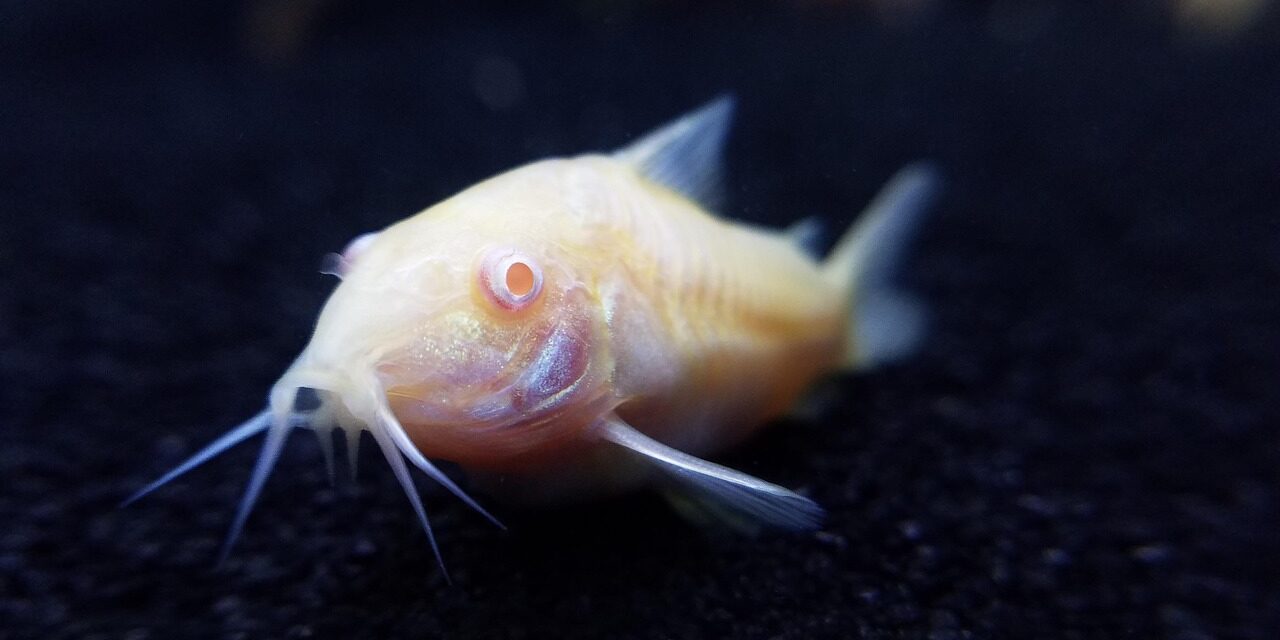
Known for its adorable appearance and dynamic nature, the Habrosus Corydoras, or the salt and pepper catfish as they are popularly called, have emerged as a staple in freshwater aquariums across the world. However, despite their popularity, the care and upkeep of these creatures remain a largely uncharted territory. Dedicated hobbyists and pet-fish store employees can attest to the resilient charm of these dwarf monsters, the largest in their kind, yet their survival significantly depends on an informed model of care.
Size and habitat have put the Habrosus Corydoras in the spotlight. Dwarf Cory Catfish are usually between 1-1.5 inches long, but the Habrosus Corydoras dwarfs its siblings by growing up to 2 inches long, making it the largest dwarf Cory Catfish. Native to the crystal clear, slow-moving waters of Venezuela and Columbia, these fish are hardy survivors and adapt well to life in an aquarium.
However, in keeping with the latest findings curated from data-rich platforms and expert discussions online, success in raising Habrosus Corydoras significantly hinges on replicating their natural habitat. Comfortable in a pH range of 6.0 to 7.2 and temperatures of 72-79°F, these catfish have a preference for aquaria with sandy or fine gravel substrates mimicking river beds. Adequate hiding places, either preserved or artificial, are large contributors to their well-being.
After ensuring the right environment, the next vital feature to focus on is their diet. The recently amplified discussions among the renowned pet fish community about dietary choices of Habrosus Corydoras suggest that their diet comprises primarily of insects, worms, and crustaceans in the wild. In a home aquarium setup, sinking pellets and frozen foods suffice to provide balanced nutrition, while occasional feedings of live foods are well-accepted treats. Ensuring a balanced diet not only vitalizes their health but also aids their characteristic active streak of bottom-feeding in minimum light conditions.
Their friendly nature and compatible temperament facilitate their cohabitation with non-aggressive, similarly sized fish. Spurred by its fascinating move from the fringe to the mainstream in the aquaristic landscape, Google Trends showcases an upward surge in search interests regarding Habrosus Corydoras’ breeding behavior and compatible tank mates. As they are schooling fish, a group of six or more creates a visually intriguing underwater spectacle, drawing growing interest from aquarists worldwide.
While the popularity of Habrosus Corydoras and its glamorous position in the aquaristic niche is not deniable, it comes coupled with the need for a thoroughly researched caregiving blueprint. Several online platforms devoted to aquatic life enthusiast forums recently reported cases of a prevalent disease among the species called red blotch disease. Early awareness about such outbreaks and understanding the signs can help fish keepers prevent and mitigate the mortality of their aquatic pets.
Aquarium aficionados and recent adopters can bank on online resources such as Fishlore, Practical Fishkeeping, and various modules on YouTube and Reddit, which act as consolidated repositories of advanced care advice and best practices for nurturing Habrosus Corydoras. These platforms harness the power of interactive engagement with hobbyists and seasoned professionals, to advance the exchange of insight, thereby ameliorating the dwarf Cory Catfish care norms and protocols.
The proliferation of interest and discussions revolving around the largest dwarf Cory Catfish, the Habrosus Corydoras, speaks to the enchantment these petite creatures bring to aquatic enthusiasts and homes worldwide. As the popularity trajectory of these dwarfish wonders continues to soar upwards, the onus on aquarium enthusiasts and hobbyists to provide a perfect nurturing environment is more significant than ever. The reward is an aquarium that brims with activity and life, adding a new dimension to spaces these dwarf catfish call home.
Original Source: https://www.aquariumcoop.com/blogs/aquarium/habrosus-corydoras