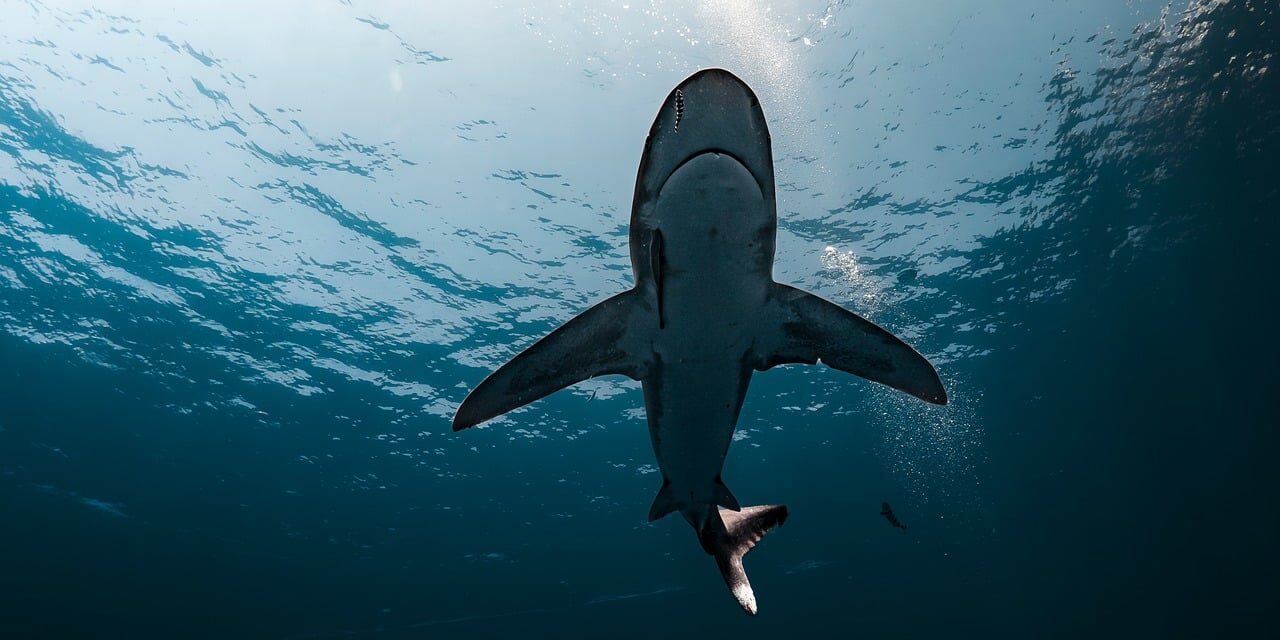
In a remarkable event that has captivated marine biologists and enthusiasts alike, a goblin shark has been filmed alive for the first time in the deep sea. This elusive species, often referred to as a “living fossil,” was captured on camera during a recent exploratory dive in the depths off the coast of Japan. The footage showcases the distinctive features of the goblin shark, including its elongated snout and unique jaw structure, sparking excitement and intrigue across the scientific community and beyond.
Immediate reaction
The revelation has generated immediate buzz on social media, where marine biology enthusiasts are sharing the footage and expressing their awe at this rare sighting. The goblin shark, scientifically known as Mitsukurina owstoni, is rarely observed in its natural habitat due to its preference for deep ocean environments, typically found at depths of around 100 to 1,200 meters (330 to 3,900 feet). Researchers and conservationists are elated, viewing this as a significant opportunity to study a species that has remained largely enigmatic.
Dr. Emily Carter, a marine biologist and expert in elasmobranchs, emphasized the importance of this sighting. “What we’ve captured is not just a glimpse of a seldom-seen species, but also an opportunity to gather data that could inform conservation efforts. Understanding the goblin shark’s behavior and habitat is crucial to protecting it from the growing threats of deep-sea fishing and climate change,” she stated.
What triggered the move
This sighting was facilitated by advancements in deep-sea exploration technology. The use of remotely operated vehicles (ROVs) equipped with high-definition cameras has allowed scientists to venture into underwater realms previously out of reach. As these technologies grow more sophisticated, instances of rare marine life encounters are becoming increasingly common, igniting hope for new discoveries.
The timing of this event coincides with a broader push in the scientific community to elevate awareness about deep-sea biodiversity. Recent discussions surrounding marine conservation have underscored the need for focused research on lesser-known species like the goblin shark. The emergence of environmental movements advocating for deeper ocean protections has also played a role in prioritizing funding and support for these initiatives.
Why readers should care
The implications of this rare goblin shark sighting extend beyond mere fascination. It highlights the delicate balance of marine ecosystems and underlines the urgent need for robust conservation strategies. As climate change and human activity increasingly threaten oceanic habitats, understanding the lifestyles and environments of deep-sea creatures becomes essential for their preservation.
Moreover, the excitement surrounding this sighting may prompt more public interest in marine biology and conservation efforts. Educational initiatives leveraging such events can play a crucial role in fostering a greater awareness of oceanic challenges and the species that inhabit these depths, potentially driving advocacy for protective legislation.
In the short term, we can expect a surge in public engagement with marine conservation discussions and possibly increased funding for related research. The goblin shark’s unexpected visibility in modern discourse serves as a reminder of the wonders hidden beneath the waves, urging society to reflect on its responsibility toward ocean conservation.
Original Source: https://www.sciencedaily.com/releases/2026/07/260708022208.htm