Creating a visually appealing and functional fish tank in a small space is an endeavor that many aquarists take on. The appropriate design and equipment can transform a compact aquarium into a thriving aquatic ecosystem while adding a unique focal point to any room. Here are five inventive ideas for small aquarium setups that enhance aesthetics and promote aquatic health.
Key details
One of the most popular approaches to small aquariums is the use of biotope tanks. These setups mimic a specific natural environment, such as a stream or swamp, housing fish and plants native to that ecosystem. For instance, a Southeast Asian river biotope could feature small tetras, Asian catfish, and hardy plants like Anubias. This not only creates a vibrant environment for fish but also educates viewers about biodiversity.
Another compelling option involves aquascaping—the art of arranging aquatic plants and decorations artistically within the tank. Using techniques like the Dutch style or the Iwagumi layout, hobbyists can create stunning landscapes even in limited space. Incorporating live plants enhances the ecosystem’s health by providing oxygen and absorbing toxins, making the tank more self-sustaining.
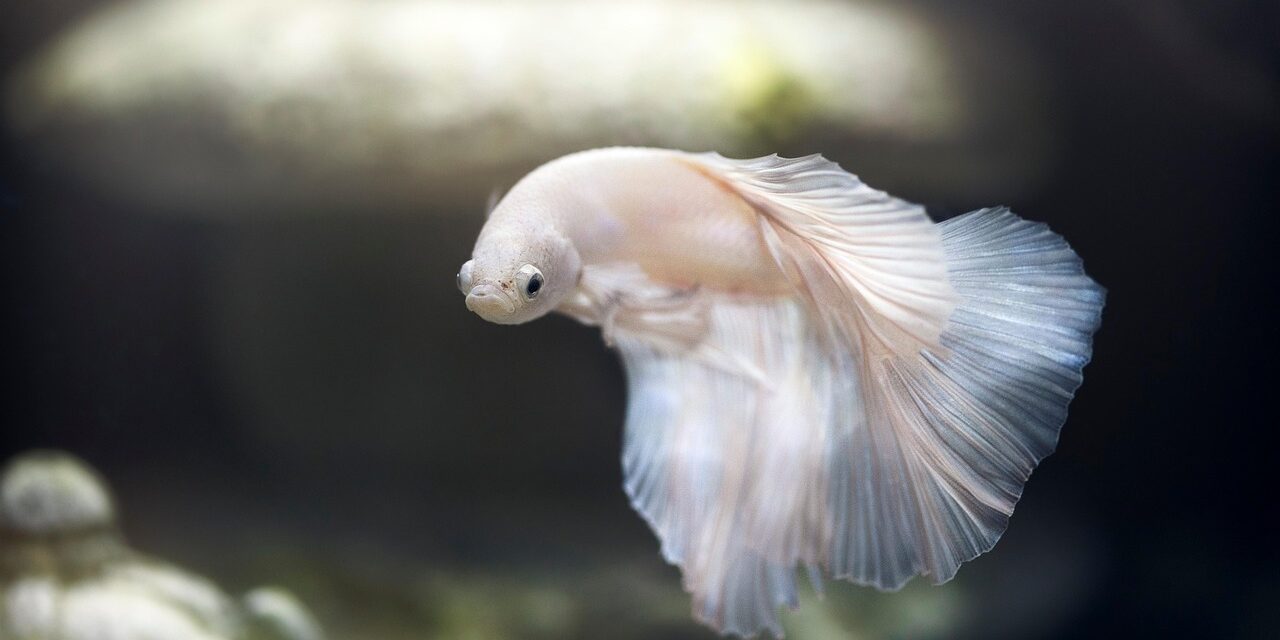
Utilizing a nano aquarium, a tank that’s five gallons or smaller, is a practical choice that appeals to those with limited room. These tanks can house shrimp or small species of fish like bettas or guppies. However, success in nano aquariums requires careful monitoring of water parameters and regular maintenance, as fluctuations can occur more rapidly due to their size.
Why this matters
Understanding the dynamics of small aquarium choices is essential for maintaining aquatic life healthily and sustainably. The designs rely heavily on the natural behaviors and environments of the chosen species. Fostering these natural relationships ensures that fish thrive rather than just survive. Moreover, implementing effective filtration systems and appropriate heating in tighter spaces can help mitigate common issues like ammonia spikes and poor water circulation.
Additionally, the sustainable practices involved in aquascaping and biotopes resonate with current environmental concerns. Many aquarists emphasize using plants sourced ethically and avoiding species that are over-harvested from the wild. This conscious approach not only benefits the immediate aquarium environment but also reflects a growing awareness of ecological impact in wider conservation efforts.
Broader picture
As urban living spaces become more compact, the trend of small fish tank setups is likely to gain momentum. Homeowners and renters alike are seeking ways to incorporate nature into their lives without the need for expansive setups. Learning to create connected ecosystems in small volumes encourages responsibility among aquatic hobbyists while reinforcing a connection to nature.
This focus on small aquariums emphasizes the importance of creativity, patience, and science in customization. By sharing knowledge and innovations surrounding small fish tank ideas, the community fosters a culture of curiosity and responsibility. As the movement toward more sustainable and educated aquarism grows, so too does the opportunity for artists and hobbyists to showcase their work while nurturing the environments they create.
Original Source: https://www.aquariumcoop.com/blogs/aquarium/small-aquarium-ideas