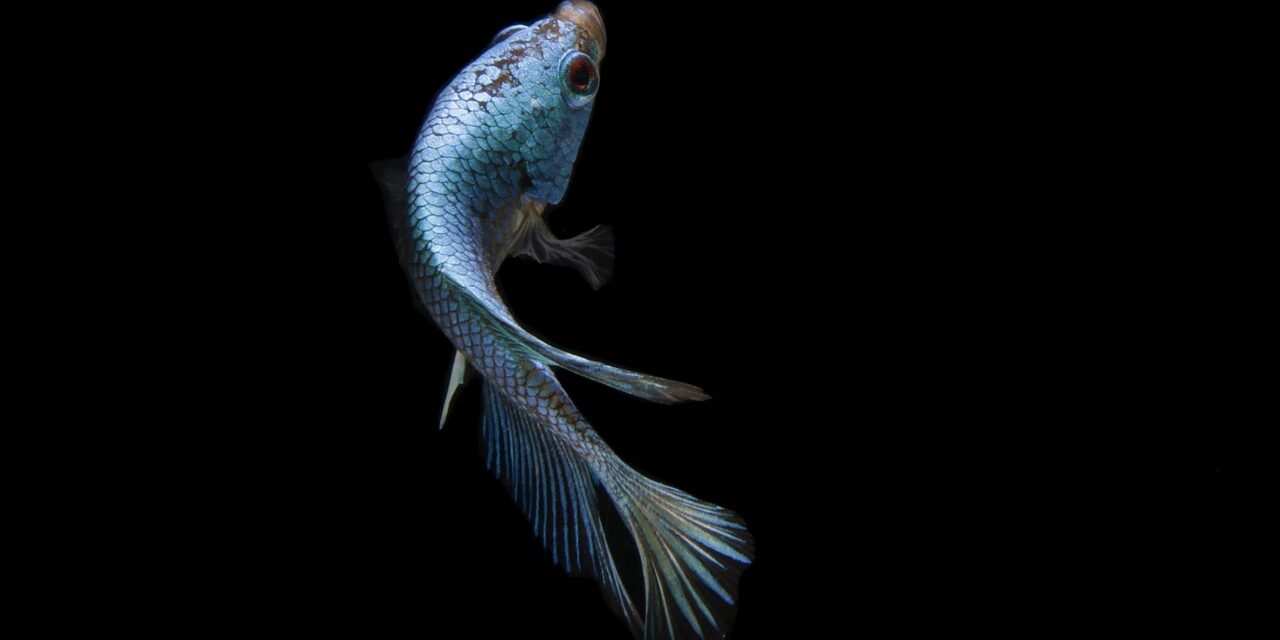
Betta fish, commonly known as Siamese Fighting Fish, are among the most popular choices for freshwater aquarium enthusiasts, courtesy of their vibrant hues and compelling aesthetics. However, not all Betta fish are the same. Gain a deeper understanding of the vast diversity in the Betta realm, from their contribution to your aquarium’s visual appeal to their varying habits and needs.
Sporting showy fins and available in an incredible variety of colors, Betta fish are solitary, territorial animals originating from the muddy waters of Thailand, Malaysia, Cambodia, and Vietnam. With almost seventy classified Betta species, each possesses unique attributes.
The splendors of the Betta world include:
Veil Tail Betta: The most common type found in pet stores, the Veil Tail Betta, is recognisable by its long and flowing, downwards arching tail. They showcase a broad palette of colors, from vivid blues and reds to pastel hues and even pure whites.
Crown Tail Betta: Identified by their spiky, crown-like tail fins, these fish exhibit flamboyant shades, dramatically catching the viewer’s eyes. Unfortunately, regulating their diet and maintaining their habitat is a trifle more complex than their Veil Tail counterparts.
Halfmoon Betta: True to their name, the Halfmoon Betta’s tail spans a full 180-degree spread resembling a half-moon. While their wide, flowing fins lend a pompous aura, they require optimal water conditions to prevent their delicate fins from damage.
Delta and Super Delta Betta: Characterized by a less expansive tail fin spread than the Halfmoon, ranging from 120 to 160 degrees, the Delta and Super Delta Bettas present more straightforward care requirements while adding a touch of aquatic splendor.
Plakat Betta: Drawing parallels with the species’ ancestral roots, these short-finned Betta fish are a hit among breeders and enthusiasts for their minimalistic elegance and hardy nature.
Double Tail Betta: Named after their unique dual tail fins, they double up the excitement in a Betta fish tank. However, they may need extra attention considering their heightened vulnerability to swim bladder diseases.
Apart from the physical characteristics, Betta variety extends to their plentiful color and pattern variations, such as the speckled Marble Betta, metallic sheen of the Dragonscale Betta, and color-changing chameleon effect seen in the Butterfly Betta.
Despite the attractive visuals, Betta fish are notorious for their males’ aggressive nature, making them a mostly solitary species in home aquariums. Owners and aspiring Betta parents are urged to adopt responsible pet-keeping practices and equip themselves with accurate knowledge about their specific Betta type needs in terms of diet, habitat, temperature, and companionship.
The trend of Betta fish keeping has been recently capturing the internet’s interest, with an increase in their sales noticed in pandemic times, perhaps seeking solace in their mesmerizing colors and engaging behavior. Websites like Reddit and Instagram are brimming with Betta-specific communities discussing their diverse range, sharing photos, tips, and sometimes, concerns.
Jeremy Barthel, a Betta enthusiast and Instagrammer, points out, “Taking care of a Betta isn’t just about adding beauty to your room or office. It’s also about understanding a species that is vibrant and complex, and watching the personality of an individual Betta unfold.”
Whether you are a first-time Betta parent or an experienced aquarium hobbyist, understanding the marked differences in the Betta fish world will help you make an informed choice and elevate your aquatic nurturing experience. Choose your Betta type wisely and enjoy the mesmerising flow of vibrant colors and distinct personalities in your tranquil corner of nature.
Original Source: https://www.aquariumcoop.com/blogs/aquarium/betta-fish-types