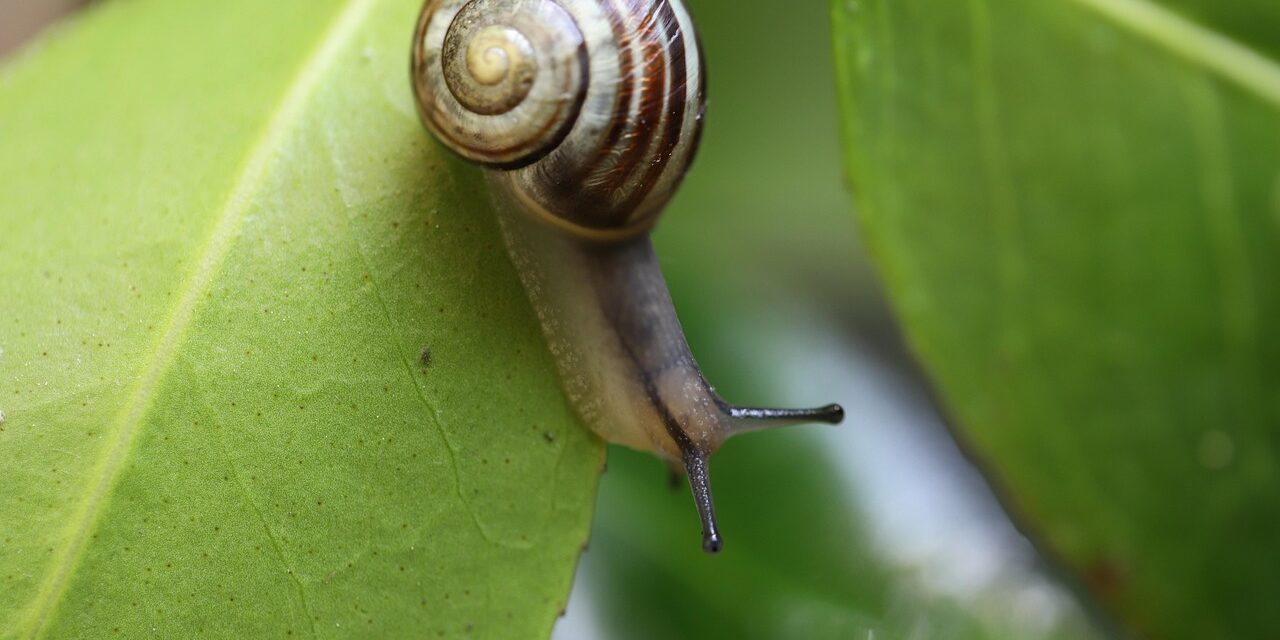
In a recent surge of online coverage, Assassin Snails have been touted as the natural saviors for aquarium keepers struggling to control pest snails’ populations within their tanks. Honing in on facts coupled with expert opinions, this article aims to shed light on this growing trend, its feasibility, and how to care for these unexpected anti-pest champions.
Scientifically known as Clea Helena, Assassin Snails, despite their ominous name, are a surprisingly popular addition to freshwater aquariums worldwide. Standing out are their marked predatorial instincts that make them the ideal combatants against uncontrolled pest snails’ proliferation.
Their popularity as an organic pest control method is relatively recent. Web forums and social media platforms burgeon with testimonials, praising their effectiveness in handling overpopulation of small, quick-reproducing snail species like Ramshorn and Trumpet snails. Ashleigh Gardner, a seasoned aquarium enthusiast from Melbourne, commented, “I had a real issue with Trumpet Snails. Ever since I introduced Assassin Snails, the problem seems to have dissipated substantially.”
Beyond their predatorial behavior, Assassin Snails are proving their worth with other benefits, such as scavenging organic detritus and leftover fish food, thus contributing to the aquarium’s overall cleanliness.
However, there are essential care guidelines to follow to ensure these snails can perform their task efficiently. Christopher Ng, an Aquatic Life Scientist, explained, “Assassin Snails are subtropical creatures and thus require warmer waters, in a range of 70° to 80° Fahrenheit (21° – 27°C). They thrive best in tanks with soft sandy substrate that they can burrow into, and prefer waters with a pH of around 7.0 to 8.0.”
Being carnivores, their diet predominantly consists of smaller snails, but they may also feast on dead fish or protein-based food, such as bloodworms or fish flakes, if required. Authenticated sources recommend one Assassin Snail per five gallons of water for efficient pest control, however, Ng notes, “These numbers can be modified slightly given the pests’ severity.”
Adding Assassin Snails to an aquarium is not without its considerations, though. For one, they are slow breeders, unlike their pest counterparts, which can make it a slower process to deal with an overly infested aquarium. Moreover, they aren’t selective in their diet; healthier, more valuable snail species may also fall prey if not separated.
Keith Patton, a Seattle-based aquarist and vlogger, recounted his experience on his popular YouTube channel. “I introduced five Assassin Snails into my 20-gallon tank infested mostly by Ramshorn snails. It took around four months to see visible reduction in their numbers. But they eat indiscriminately, so I had to move my Mystery snails to another tank.”
While there are divided opinions regarding the usage of Assassin Snails, their demand is undeniable. They are quickly becoming a go-to biological method for hobbyists seeking ecological balance in their aquariums. As with introducing any new species into a tank, potential adopters should be well-informed about the specifics of Assassin Snail care and their impact on the overall environment. As the online aquarist community underlines, these killer snails are not assassins without reason, hitting a vital nerve in controlling the booming pest snail population.
Original Source: https://www.aquariumcoop.com/blogs/aquarium/assassin-snail