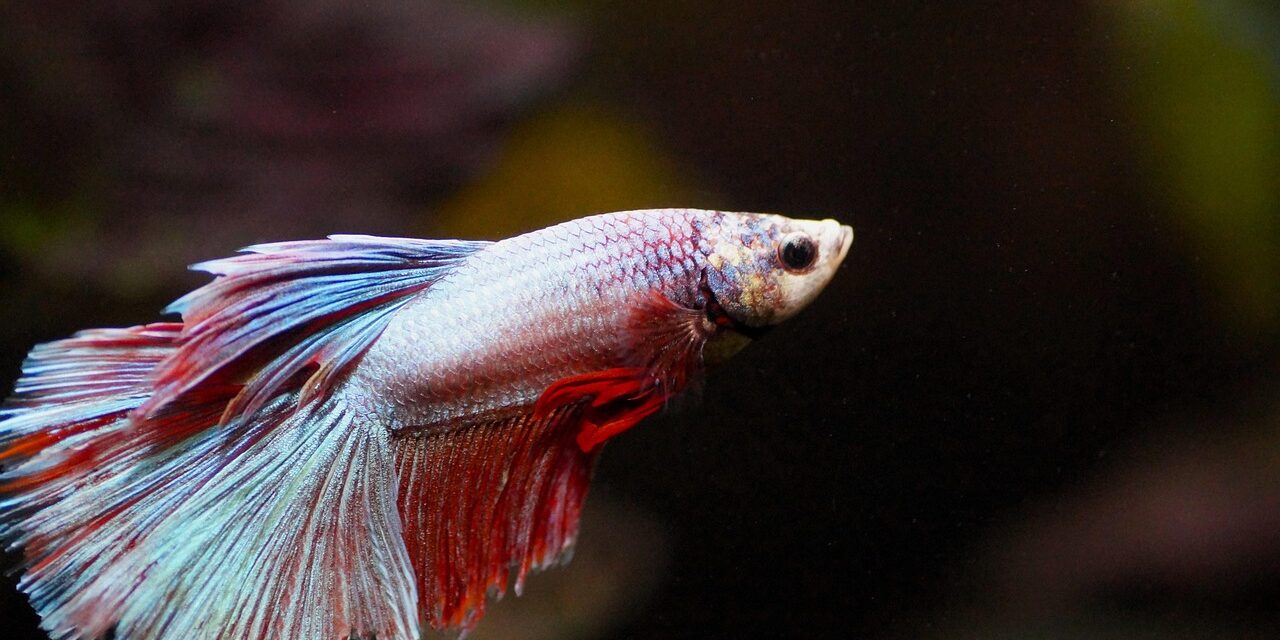
Across the United States, aquarium enthusiasts and hobbyists are being innovative in maintaining optimal conditions for their tropical fish in what they call fish rooms. These places are designed to mimic tropical climates necessary for various breeds of tropical fish to thrive. With the dozens of unique needs these aquatic wonders require, ensuring proper air conditioning for them not only molds a perfect environment but also contributes to their overall health.
Going through various online forums such as Fishlore and Aquatic Community, there has been a recent upswing in creating DIY central air systems to counter the fluctuations in regional temperatures. This trend is gaining popularity for it not only cuts down on the cost of multiple tank heaters, but it also provides a more consistent and evenly distributed temperature, benefiting tropical fish species.
Creating a DIY central air system for a fish room isn’t as daunting as it sounds. With the right tools and some expert guidance, it can transform your casual hobby into a fully streamlined operation, saving you money, energy, and potential heartache that comes with tank casualties due to inapt conditions.
Aquarium hobbyist and YouTuber, SJ Inceptions, recently shared an informative video where he outlined a step-by-step guide on how to do just that: build a central air system for aquarium fish rooms using common tools and materials.
The core of many homemade systems is an air pump, capable of pushing out generous levels of air and conducive to several aquariums. To match the output capacity of the pump, you’d also need PVC pipes with multiple outlets or valves that can be adjusted, giving you control over the air supply for each tank.
As for the air distribution system, SJ suggests using electrical conduit pipes that are usually suspended from the ceiling of the room. These pipes need to be drilled at specified distances where separate aquariums are located. Non-return valves are fitted into these holes to prevent water from siphoning back into the air pump in case of power failures, ensuring your pump’s safety.
The air supply to each aquarium is controlled using adjustable tees fitted along the conduit, which are connected to air stones inside the tanks through air tubes. The air stones break down the incoming air into tiny bubbles, improving the oxygen supply for fish and, thus, enhancing their breathing capabilities.
Air conditioning of a fish room is also a major component, especially during the summer season. A large-sized window or portable air conditioner will do the job, maintaining a consistent temperature.
Consider insulating the room to make the AC more effective. This can be achieved by applying insulation material on the ceiling, floors, and walls in case you’re dealing with high outdoor temperatures. Measuring the temperature accurately can be managed by digital heaters with temperature controllers attached to each aquarium, ensuring precise control over the water temperature.
The whole process could become a fun project that you can tailor to your specific needs, starting from as little as one aquarium to a room filled with tanks of different sizes.
In the hobbyist’s circle, proactively creating an environment that best suits the specific needs of the tropical fish community not only is cost-effective but also nurtures healthier aquatic life. This approach allows the delivery of uniform temperature, filtration, and lighting to multiple tanks at once.
Creating your DIY central air system for your fish room not only immerses you further into the hobby, it is also a testament of your love for these captivating aquatic creatures. It’s a delightful blend of do-it-yourself ingenuity, and it brings you closer to ensuring your beloved aquatic pets have a habitat where they can truly thrive.
Original Source: https://www.aquariumcoop.com/blogs/aquarium/fish-room-central-air-system