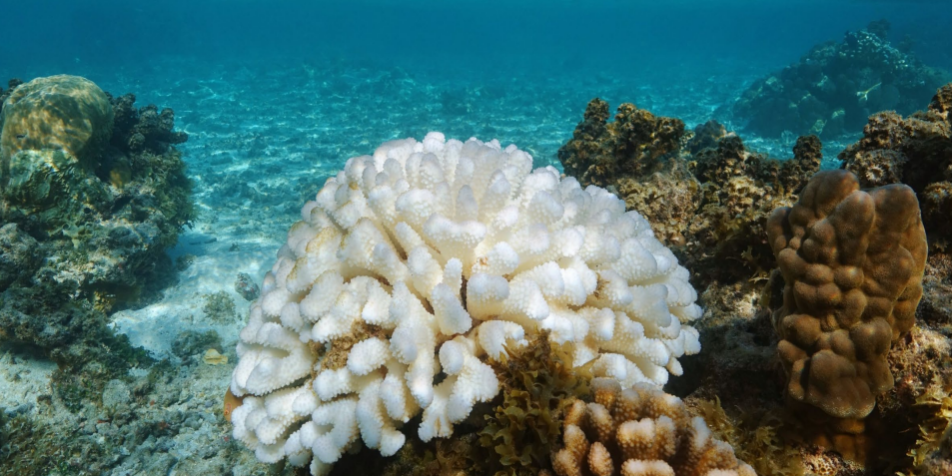
In a breakthrough study, scientists have discovered telling metabolic signatures associated with reef-forming corals’ historical responses to thermal stress. Assuaging fears about the future of these essential marine ecosystems, researchers highlight individual coral species’ varying degrees of susceptibility and their inherent resilience to global warming-induced heatwaves.
Coral reefs, lauded as the “rainforests of the sea,” are a vital part of Earth’s biosphere. They support 25% of all marine species and sustain the livelihoods of millions of people worldwide. However, their existence is imperative, with increasing ocean temperatures largely to blame for coral bleaching events.
To forecast how corals could adapt to future oceanic warming, a team of international scientists assessed the metabolic reactions of Porites lobata and Montipora capitata – two dominant reef-building species in Hawaii. The researchers scrutinized samples of corals collected before, during, and after the 2014-2015 El Niño-associated heatwaves – equipping them with a timeline of the corals’ physiological responses to extreme temperature fluctuations.
“We were able to profile their metabolomes — the entire set of small-molecule metabolites within a biological specimen — and capture snapshots of how these coral species responded biochemically over time to heat stress,” says Dr. Hollie Putnam, a marine biologist and one of the researchers involved in the study.
The findings, published in the journal “Nature Ecology & Evolution,” unveil unique “metabolic fingerprints” reflective of the corals’ past thermal experiences. Specifically, researchers discovered a significant disruption in the amino acid metabolism of coral polyps during peak heat stress, notably in Porites lobata. Repercussions of this irregularity included reduced growth rates and reproductive output, directly impacting the overall health and survival potential of the corals and the habitats they support.
Strikingly, the team observed a substantial recovery of these coral colonies in the recuperation period post-heatwave. Changes in their metabolomes showed them realigning back towards those observed before the heightened thermal exposure. This discovery revealed the inherent resilience that these marine organisms possess, despite ongoing stress.
“Among the challenges we face in projecting future outcomes for coral reefs are gaps in our understanding of their historical, physiological experience with climate variation. Metabolic profiling is an important step towards benchmarking their true resilience or vulnerability,” suggests Dr. Christopher Wall, the study’s lead author.
While the revelation of the profound metabolic transformation under heat pressure is alarming, the discovery of corals’ metabolic ability to rebound provides a glimmer of hope. If these corals can adapt to a warming world, certain areas of the ocean may continue to harbor the vibrant biodiversity associated with healthy, functioning coral reefs.
Certain coral species may also utilize this metabolic flexibility to acclimate to other stressors. Future research should be directed at more detailed understanding and comparisons across a broader range of coral species to identify those most likely to endure the changing global climate.
The team’s findings underscore the importance of coral reefs in the global ecosystem and the necessity of swift, effective climate action to safeguard them. Coral reefs are not merely beautiful underwater attractions; they are pivotal in maintaining global biodiversity, acting as a buffer against extreme weather events, and indirectly contributing to mitigating climate change through oceanic carbon sequestration.
Through metabolic profiling, science is gaining valuable time to strategize effective conservation efforts: assisting the corals resistant to heat, aiding the susceptible ones, and maximizing the health of the reefs. In preserving these stunning yet fragile marine habitats, humanity ultimately protects itself and the diverse life it shares Earth with.
Original Source: https://reefs.com/the-metabolic-signatures-of-historic-thermal-responses-reveal-susceptibility-and-resilience-in-reef-forming-corals/