Taking up aquarium keeping as a hobby can be exciting, yet it comes with its fair set of responsibilities, one of them being combating with unwanted algae. This task can be made easier by including certain types of fish, commonly known as algae eaters, in your aquatic setup. These creatures help in maintaining a clean and healthy aquatic environment by consuming algae blooms. However, selecting the right kind of algae eater is crucial, based on the size and other occupants of your aquarium.
One cannot simply buy any algae eater; many factors should be taken into consideration. The wrong choice could result in an aquarium imbalance; for instance, some types might not cohabit well with other species or could even outgrow the allocated space.
In the recent online fishkeeping forum discussions and based on experts’ views, here are some prime considerations when selecting algae eaters:
Size and growth factor
Some algae eaters like Plecostomus can grow up to 24 inches, requiring an extensive tank setup. Even popular choices like Chinese Algae Eater tend to become larger and aggressive with age. Hence, when purchasing, consider the animal’s ultimate size rather than its size at sale.
Compatibility
An underrated factor when choosing algae eaters is their compatibility with other tank inhabitants. Siamese Algae Eaters, for example, are peaceful and social, making them ideal for a community aquarium. In contrast, species like Chinese Algae Eater become territorial as they mature, causing stress amongst other species.
Type of algae
Different algae eaters specialize in different types of algae. For instance, Nerite Snails prefer green algae, whereas Siamese Algae Eaters and Amano Shrimps are excellent at consuming hair algae. Identifying the type of algae invading your tank goes a long way in choosing the right algae eater.
Tank conditions
Conditions like pH level, water hardness, and temperature greatly influence the well-being of your algae eater. Twig Catfish, for example, needs slightly acidic to neutral pH and moderate water hardness. Always verify the optimal living conditions required for your prospective algae eater.
Ease of care
Some algae eaters require more special care than others. For example, Otocinclus Catfish is highly sensitive to changes in water parameters and needs constant monitoring, making them unsuitable for beginner aquarists.
Long-term solution
Relying solely on algae eaters is not a long-term solution. The best way to tackle an algae problem is by going to the root cause, usually excess nutrients or light. It is preferable to make changes to your aquarium setup and care to prevent such outbreaks. These could include reducing feeding, controlling lighting, or regular water changes.
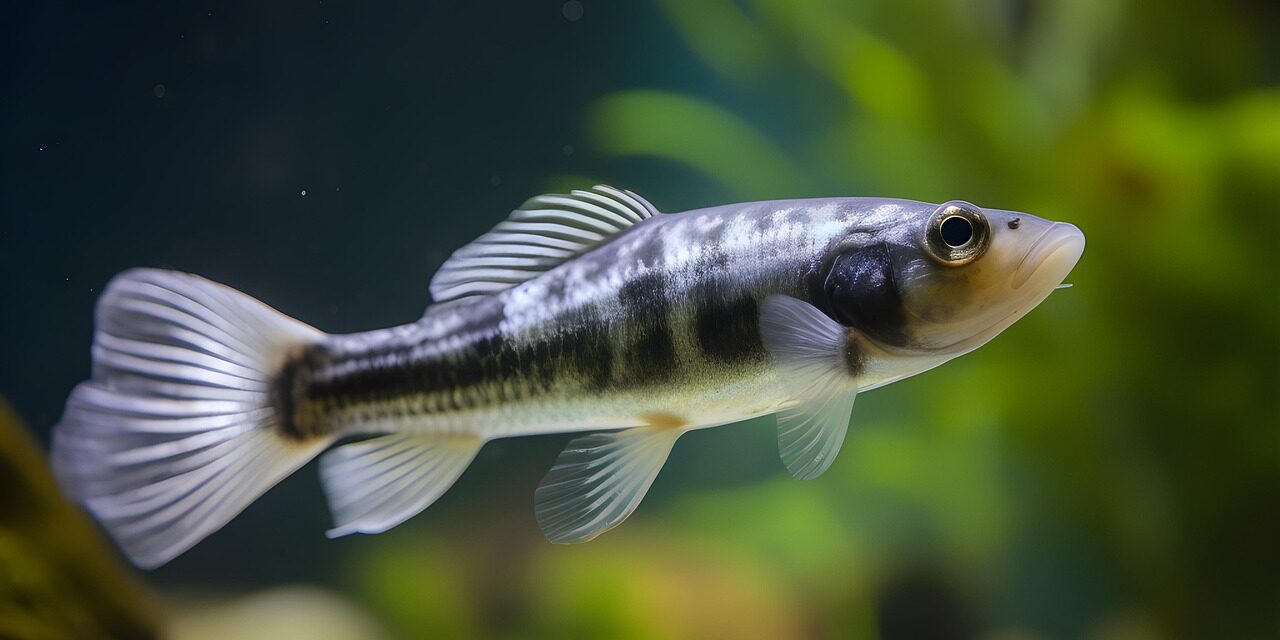
Based on these parameters, some of the widely recommended algae eaters include Siamese Algae Eaters, Nerite Snails, Amano Shrimps, and certain species of catfish like the Twig Catfish and Bristlenose Pleco.
While algae eaters can be a fantastic addition to your aquarium, it is essential to remember these are living creatures with their own set of needs. They are not just a solution to a dirty tank. Bearing that in mind, with some thoughtfulness, you can create a well-balanced, self-sustaining ecosystem within the confines of your aquarium.
As always, before making any purchase, it’s a good idea to gather as much information as possible about the species, consult with experts if needed, and make the best choice for both the creature and your aquatic habitat. In the quest to keep aquariums clean and green, let’s also aim for a healthy, stress-free environment for all species that reside there.
Original Source: https://www.aquariumcoop.com/blogs/aquarium/selecting-the-right-algae-eater-for-your-aquarium