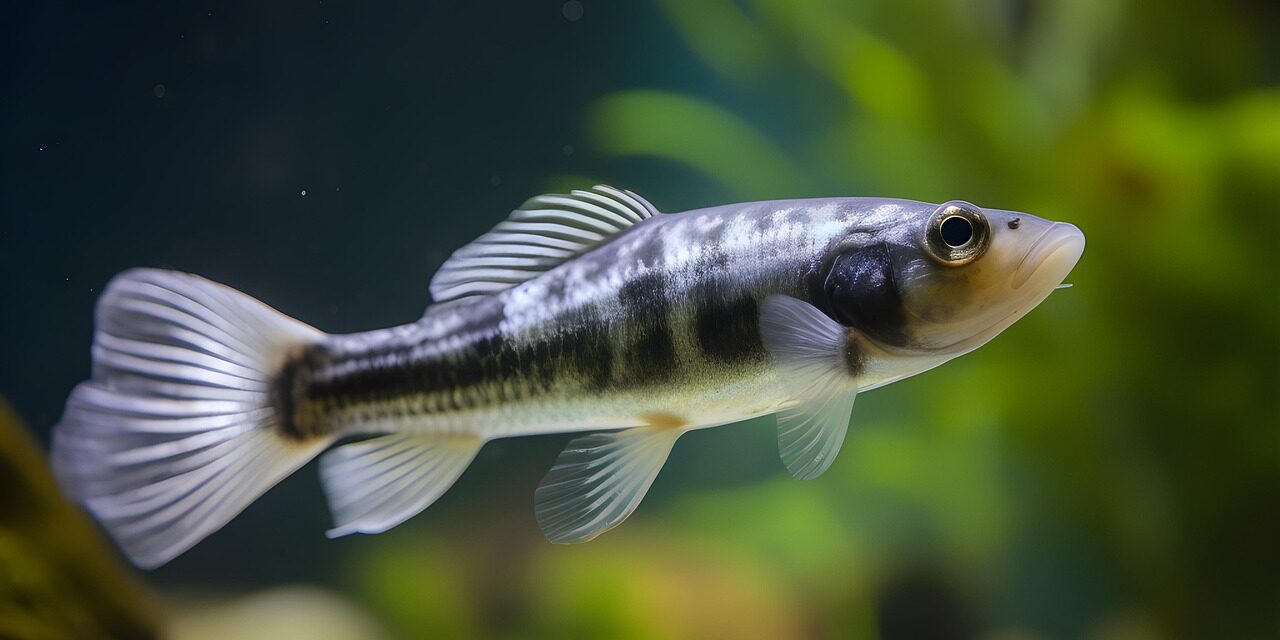
As the global aquarium community continues to expand, hobbyists are increasingly focused on the health and aesthetics of their underwater ecosystems. One of the latest trends is the refined choice of algae eaters—species that not only help maintain tank cleanliness but also contribute to the overall biodiversity within the aquarium.
The latest turn
In recent months, several new species of algae eaters have garnered attention due to their effectiveness in controlling algae growth while adding unique visual appeal to home tanks. Among these, the Siamese algae eater and the Oto catfish have proven popular for their compatibility with a variety of tank setups. Additionally, localized breeding programs have made these species more accessible, thereby improving their viability as options for aquarists.
As discussions around algae control strategies gain momentum, many enthusiasts are sharing success stories through social media, highlighting specific cases where careful selection of algae eaters has led to healthier ecosystems. Aquascaping communities are also embracing this trend by emphasizing the importance of selecting the right algae eaters to enhance the aesthetic harmony of planted tanks.
How the story got here
The journey to effectively managing algae in aquariums is not a new one. For years, aquarium owners have struggled with algae overgrowth, which can lead to unsightly tanks and unhealthy fish populations. The initial reliance on various chemical treatments often left hobbyists frustrated and concerned about the well-being of their aquatic life.
With a growing awareness of ecological balance within aquaria, many hobbyists turned to natural solutions. This historical shift led to significant research on algae eaters, including snails, fish, and other aquatic organisms that consume algae. As a result, species such as the Nerite snail and the Amano shrimp have gained popularity and credibility within the aquarium community, providing sustainable alternatives to chemical solutions.
The introduction of innovative feeding practices and habitat enhancements has also played a crucial role in improving the health and efficiency of algae eaters in aquariums. By fostering an environment that meets the dietary and habitat needs of these species, aquarists have found that they can not only control algae but also create a more lively and dynamic ecosystem.
Next expected developments
Looking ahead, one can anticipate further research into the ecological impacts of different algae eaters. As aquarium technology advances, there may be more tools available to monitor and manage algae levels autonomously, reducing the reliance on both species and chemicals.
Additionally, the aquarium industry is likely to see an increase in hybrid species and selectively bred varieties that combine desirable traits—such as high algae consumption and vibrant coloration. Education campaigns may also proliferate to promote the responsible selection of algae eaters among hobbyists, fostering a more informed community that prioritizes both aesthetic and ecological balance in their aquariums.
This evolving narrative underscores the importance of making well-informed selections when choosing algae eaters, suggesting that as the hobby progresses, so too will the relationship between aquarists and their underwater ecosystems.
Original Source: https://www.aquariumcoop.com/blogs/aquarium/selecting-the-right-algae-eater-for-your-aquarium