Key details
Photosynthetically Active Radiation, or PAR, refers to the spectrum of light that plants utilize for photosynthesis, typically covering wavelengths from 400 to 700 nanometers. In the context of aquariums, particularly planted tanks, PAR is a crucial measurement as it directly influences plant health, growth rates, and overall ecosystem balance. Light intensity is often measured in units such as micromoles of photons per square meter per second (µmol/m²/s), which provides a clear quantification of how much usable light is available for aquatic flora.
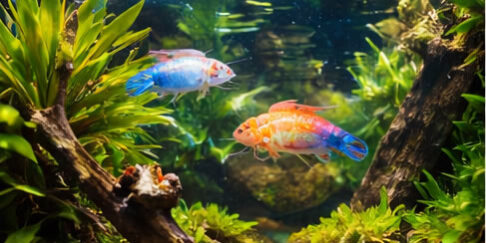
Different plant species have varying light requirements. Low-light plants like Java Fern thrive with only 20 to 40 µmol/m²/s, while high-light plants, such as certain types of Monte Carlo or Ludwigia, may require upwards of 100 µmol/m²/s to flourish. For aquarium enthusiasts, understanding PAR levels helps in selecting the right lighting and cultivating a lush, healthy aquatic environment.
Why this matters
The importance of PAR in planted tanks extends beyond mere aesthetics; it directly impacts the well-being of both flora and fauna. Adequate light levels can prevent algae blooms, which often thrive in poorly lit or over-lit tanks. For instance, providing insufficient light can lead to plant stagnation, while too much light can create a hostile environment for both plants and fish. Ensuring the right balance not only promotes healthy growth but also leads to better water quality and a more stable ecosystem.
Additionally, advancements in lighting technology have increased the ability to measure and adjust PAR levels effectively. LED lighting systems, known for their energy efficiency and longevity, often come with adjustable settings that allow aquarists to fine-tune light intensity and spectrum. This capability is particularly beneficial in aquascaping, where different layers of plants may have divergent light requirements. Therefore, the modulation of PAR can enhance the aesthetic appeal of aquascapes while ensuring that all organisms are flourishing.
Broader picture
In a wider context, the discussion around PAR and planted tanks speaks to the evolving relationship between technology and nature in home aquaria. The growing awareness of light’s role in tank ecosystems has pushed both manufacturers and hobbyists to develop more sophisticated methods for maintaining optimal conditions. Innovations in light measurement tools and adjustable lighting systems not only reflect improvements in technology but also a deeper understanding of aquatic ecology.
As communities increasingly prioritize sustainability and biodiversity, accomplishing the right balance in planted tanks becomes a microcosm for larger environmental concerns. Aquarists, inspired by the latest knowledge about PAR, can lead by example in fostering responsible practices. This dedication not only enhances the beauty of their tanks but also contributes to the broader conversation about environmental stewardship and the care of aquatic ecosystems.
In conclusion, understanding PAR is crucial for anyone looking to create a thriving aquatic environment. By grasping the nuances of light exposure and plant requirements, enthusiasts can not only achieve stunning underwater landscapes but also contribute to healthier habitats for their aquatic residents. As technology continues to advance in this field, the potential for better practices enhances the future of both home aquariums and natural waterways.
Original Source: https://www.aquariumcoop.com/blogs/aquarium/par-for-planted-tanks