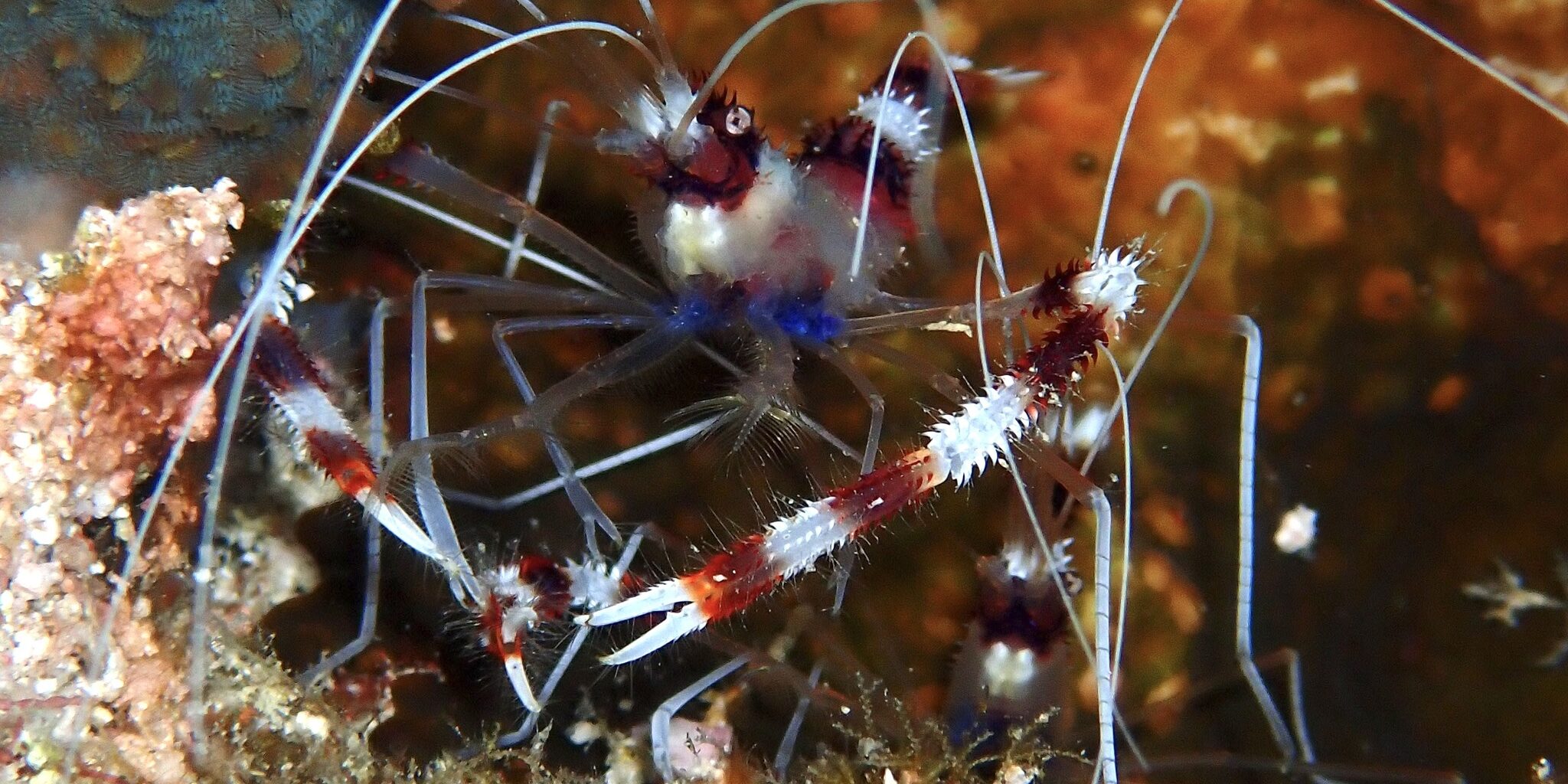
The recent discovery of Stenopus, a genus of shrimp, has excited marine biologists and conservationists alike. Previously undocumented, these organisms were found in the deep waters off the coast of the Philippines, raising new questions about biodiversity in the world’s oceans. This find not only adds to our understanding of marine life but also highlights the urgent need for further exploration of deep-sea ecosystems.
What happened
Researchers from the Oceanographic Institute conducted an extensive survey in the Celebes Sea, where they uncovered several new species, including the Stenopus. Characterized by their striking colors and elongated antennae, these shrimp inhabit dark depths that are often difficult for scientists to access. The discovery was made during a series of dives using remotely operated vehicles, which allowed the team to explore previously uncharted areas of seafloor.
The study was prompted by growing concerns over the effects of climate change and human activity on marine biodiversity. The findings were published in the latest edition of the Journal of Marine Biology, where the authors described the ecological significance of the Stenopus and its potential role within the marine food web. Researchers believe that studying this shrimp can shed light on evolutionary adaptations to extreme environments.
Why it matters
The identification of the Stenopus is significant for several reasons. Firstly, it underlines the richness of marine biodiversity still awaiting discovery, particularly in less-explored regions of the ocean. Marine habitats are increasingly threatened by pollution, overfishing, and climate change, leading to calls for enhanced conservation efforts. Understanding the biology and ecology of species like Stenopus can aid in these preservation initiatives.
Additionally, this discovery contributes to the broader body of marine science by providing insights into the evolutionary processes that govern life in extreme conditions. The unique adaptations that enable Stenopus to thrive in low-temperature, high-pressure environments could inspire new technologies and methodologies in other fields, such as biomimicry and material science.
What comes next
Going forward, researchers are planning further exploratory missions to the Celebes Sea to catalog and study the full extent of marine life in the area. Genetic samples from the Stenopus will be analyzed to understand its evolutionary history and ecological relationships with other species. Conservation biologists are also calling for the establishment of protected marine areas to safeguard vital habitats from environmental degradation.
The immediate outlook emphasizes an urgency for continued exploration and conservation of deep-sea ecosystems. As human impacts on the ocean intensify, the discoveries made in these regions will play a crucial role in informing policy decisions and sustainability efforts. Watch for upcoming reports as researchers share more findings on Stenopus and other remarkable species lurking in the depths of our oceans.
Original Source: https://reefs.com/meet-the-stenopus/