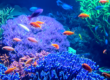
Recent advancements in marine biology and aquarium technology have sparked renewed interest in three solitary coral species: Acanthophyllia, Indophyllia, and Cynarina. These corals, known for their unique morphology and vibrant colors, are gaining popularity among reef aquarium enthusiasts seeking to create dynamic ecosystems that replicate natural environments.
What happened
In recent years, these solitary corals have become more accessible to aquarists, thanks to improved propagation techniques and a deeper understanding of their care requirements. Acanthophyllia, often called the “meat coral,” is notable for its large, flesh-like appearance and the ability to expand significantly when fed. Indophyllia, sometimes referred to as the ‘moon coral,’ boasts stunning patterns and colors that can add depth to any aquarium. Lastly, Cynarina, or the “scoly,” captivates with its brilliant hues and unique disc shape, making it a focal point in many setups.
These developments have been bolstered by research into their specific habitat needs, which has led to more tailored husbandry practices. As a result, aquarists can replicate optimal conditions for these corals, allowing them to thrive in captive settings. Furthermore, advancements in lighting and water chemistry have made it easier to maintain the delicate balance necessary for these organisms.
Why it matters
The rising interest in Acanthophyllia, Indophyllia, and Cynarina highlights a larger trend within the reef aquarium community: the shift towards biodiversity and conservation. Enthusiasts are increasingly aware of the ecological impact of their hobbies and are opting for species that enhance their tanks’ aesthetic appeal while promoting sustainable practices. By prioritizing species that can be effectively cultured, aquarists reduce the pressure on wild populations, which are often threatened by overfishing and environmental degradation.
Additionally, these corals are valuable educational tools for promoting marine awareness. Their unique biological and ecological characteristics serve as a gateway for aquarists and non-aquarists alike to learn about the fragility of coral ecosystems and the importance of marine conservation efforts. As community awareness grows, so too does the responsibility of aquarists to ensure sustainable practices in their hobby.
What comes next
The immediate outlook for these solitary corals is promising, as their increasing presence in aquarist circles fosters a vibrant discussion on sustainability and biodiversity. Upcoming events, such as trade shows and aquarium expos, are expected to have dedicated presentations about the care and conservation of these species. Furthermore, online forums and platforms are likely to see an uptick in shared experiences and resources, allowing enthusiasts to learn from one another.
As researchers continue to study these corals, there’s potential for further breakthroughs in understanding their natural behavior and physiology, which could lead to even more effective care techniques. For aquarists looking to enhance their tanks, keeping an eye on the advancements in the care and cultivation of Acanthophyllia, Indophyllia, and Cynarina will be crucial for fostering a sustainable and vibrant underwater ecosystem.