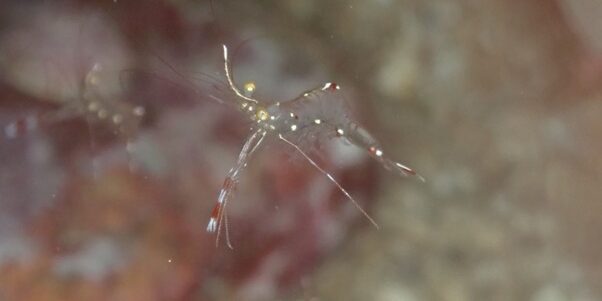
Recent studies have unveiled significant findings about Urocaridella shrimp, small yet impactful residents of marine environments, eliciting diverse reactions from scientists, commercial fishermen, and conservationists. With their increasing visibility in academic and environmental circles, stakeholders are now reevaluating their roles in coastal ecosystems and fisheries.
Immediate reaction
The announcement of new research concerning Urocaridella shrimp, particularly their symbiotic relationships with larger marine species, has sparked curiosity and concern across various sectors. Commercial fishermen are expressing cautious optimism, seeing potential benefits in the shrimp’s role as bioindicators of ecosystem health. However, environmental groups are urging for greater awareness and caution, highlighting the need for balanced approaches to fisheries management in light of these new findings.
Researchers are also keenly watching the shrimp’s interaction with coral reefs and other marine habitats. Initial reactions emphasize the importance of these creatures in nutrient cycling, prompting discussions about potential shifts in jurisdictional policies for marine resources. As more studies emerge, stakeholders from academia to industry are keen to draw correlations between Urocaridella populations and broader ocean health indicators.
What triggered the move
The recent surge in Urocaridella research stems from multiple factors, including climate change impacts and coral reef degradation. These shrimp, often found in symbiotic relationships with various marine organisms, are believed to offer insights into the resilience of marine habitats in the face of environmental stressors. Their relatively simple life cycles and behaviors make them ideal subjects for studying broader ecological shifts.
Additionally, advancements in underwater research technologies have made it easier for scientists to study these elusive shrimp. As researchers delve deeper into their habitat interactions, more detailed data is being generated, prompting a reexamination of existing marine biodiversity frameworks. This ongoing exploration has invigorated interest not only within scientific communities but also among environmental advocacy groups keen to better understand the impacts of human activity on marine life.
Why readers should care
Understanding Urocaridella shrimp is crucial for several reasons. First, their role in marine ecosystems goes beyond their size; they contribute to nutrient recycling, thus impacting fish populations and, by extension, the fishing industry. For consumers, this means continued access to healthy seafood supplies, reliant on the health of ecosystems that these shrimp help support.
Furthermore, discussions surrounding Urocaridella may signal larger conversations about the health of global marine environments. As concerns over climate change, ocean acidity, and biodiversity loss become more urgent, the shrimp’s adaptability and resilience could inform necessary conservation strategies. For anyone invested in sustainable fishing practices, tourism reliant on healthy reefs, or simply the future of marine biodiversity, paying attention to these shrimp is essential.
In the short term, the heightened focus on Urocaridella shrimp may lead to more targeted research funding and policy changes aimed at protecting these vital members of marine ecosystems. As stakeholders respond to these recent developments, it will be crucial to monitor their decisions and the subsequent implications for marine management and conservation efforts.
Original Source: https://reefs.com/urocaridella-shrimp/