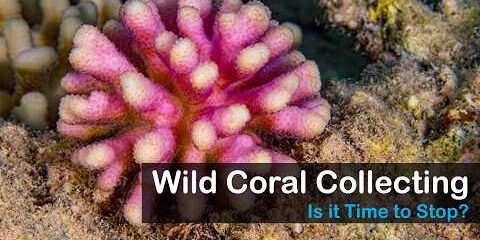
Recent discussions surrounding the wild collection of corals have sparked a heated debate among environmentalists, marine biologists, and the aquarium hobbyist community. As coral reefs face increasing threats from climate change, pollution, and habitat destruction, the implications of ongoing wild collection practices have raised critical questions about sustainability and biodiversity.
Immediate reaction
The public response to the ongoing wild collection of corals has been polarized. Environmental activists are staunchly against any form of wild harvesting, emphasizing the detrimental effects on fragile reef ecosystems. They argue that removing corals from their natural habitats accelerates the decline of already endangered species, undermining efforts to restore marine biodiversity.
Conversely, enthusiasts and retailers in the aquarium industry defend the practice by pointing to its economic benefits. They argue that wild collection provides essential livelihoods for local communities and fulfills the demand for coral specimens in home aquariums. However, some conscientious collectors advocate for sustainable practices, pushing for regulations that would limit such activities to ensure the preservation of coral populations.
What triggered the move
This dialogue has been ignited by recent studies revealing alarming declines in coral populations worldwide. Research has indicated that approximately 50% of the world’s coral reefs have been lost in the last three decades, with projections estimating that many of what remain could be gone by 2050. Climate change, including rising sea temperatures and ocean acidification, represents a significant threat. Still, the extraction of corals for commercial purposes is another layer compounding this crisis.
Moreover, international attention has heightened in light of recent bans on coral imports in various countries. These regulatory measures aim to curb the exploitation of coral species that are facing extinction, prompting collectors to rethink strategies. In response to the growing scrutiny, some members of the coral trade are advocating for alternative solutions, such as coral farming and propagation, which could reduce the dependence on wild collection.
Why readers should care
Understanding the implications of wild coral collection is essential for anyone interested in marine conservation and biodiversity. Coral reefs are not merely colorful decorations for aquariums; they serve as vital ecosystems that support a myriad of marine life and protect coastlines from erosion. The loss of corals can lead to decreased fish populations and the disruption of local fisheries, impacting human livelihoods along with ecological health.
As conversations about coral collection evolve, public awareness and informed consumer behavior become increasingly important. Readers should recognize that their choices—whether purchasing a coral for an aquarium or supporting sustainable seafood—can influence marine conservation efforts. The balance between economic needs and environmental responsibility will shape the future of not only coral reefs but also the communities that rely on them.
In the short term, the ongoing debate may lead to stricter regulations and calls for enhanced sustainability in coral harvesting practices. If both sides can find common ground, there might be a shift toward more responsible alternatives that protect coral ecosystems while accommodating the needs of collectors and local economies.
Original Source: https://reefs.com/should-wild-collection-of-corals-continue/