Scientists Discover Evolution’s Patterns in the Galápagos Islands

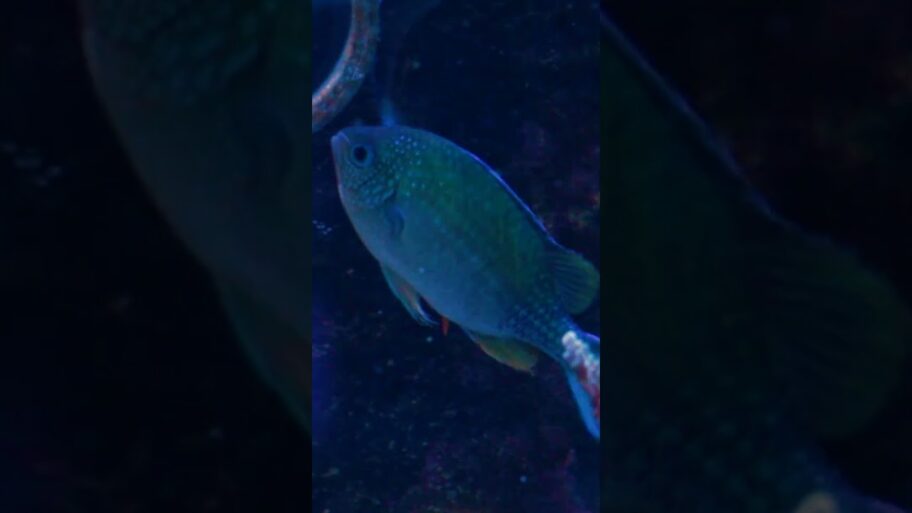
Recent research in the Galápagos Islands has revealed striking parallels in evolutionary processes, leading scientists to conclude that certain patterns of evolution are repeating in the archipelago. This finding not only sheds light on the mechanisms of evolution in isolated environments but also raises fascinating questions about biodiversity and natural selection. Latest developments A team…

Pacific Ocean Patterns Influence Wildfire Trends in U.S. and Australia

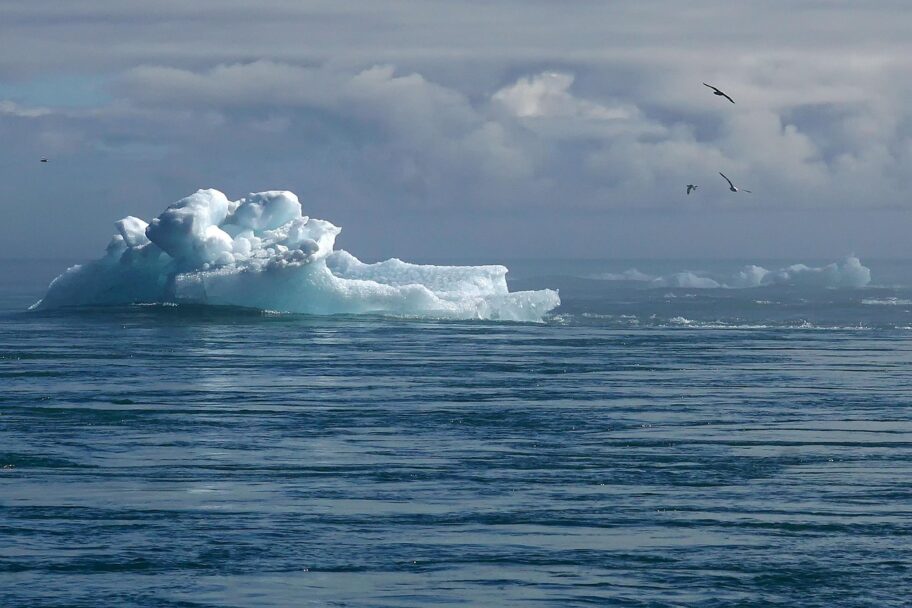
The Pacific Ocean is revealing a significant climatic pattern that appears to be shaping contrasting wildfire trends in the United States and Australia. This development is notable as it highlights the complex interaction between oceanic conditions, climate change, and local ecosystems, ultimately influencing fire risk and management strategies across the two regions. Key details Research…

Ocean Iron Fertilization: Balancing Climate Gains with Ecological Risks

Ocean iron fertilization (OIF) is being proposed as a potential method to combat climate change by enhancing the ocean’s natural ability to sequester carbon dioxide. Feasibility studies suggest that adding iron to nutrient-poor areas of the ocean could stimulate phytoplankton growth, leading to increased carbon absorption. However, the practice raises significant ecological concerns that warrant…

Chicken Kidney Sponge’s Role in Port Pollution Cleanup

Innovative biological materials are paving the way for cleaner ports, with recent research highlighting the potential of a sponge-like structure derived from chicken kidneys. This unique material may offer an effective solution for tackling persistent pollution in harbors, improving marine environments and benefitting local economies. Background and context The increasing prevalence of environmental degradation, particularly…

Why are bumblebees mysteriously dying on city sidewalks?

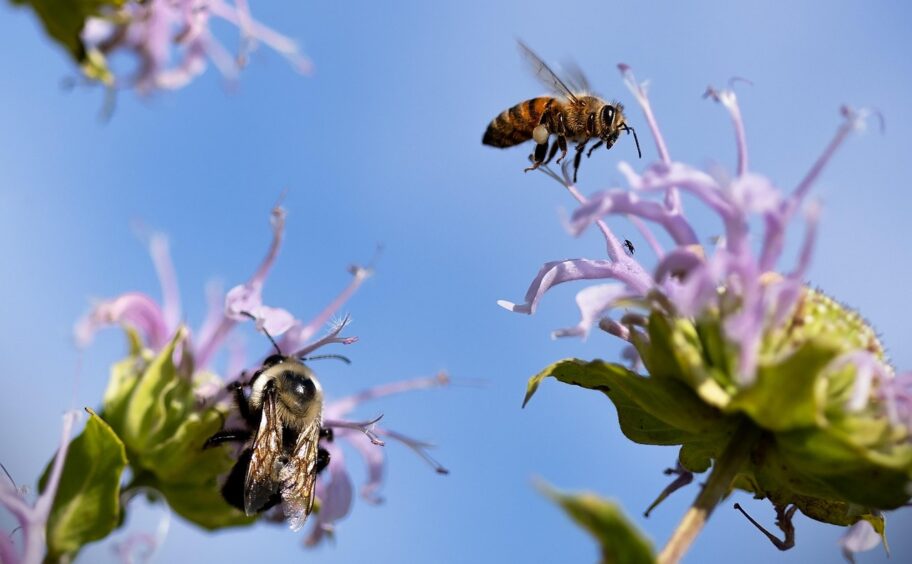
The recent uptick in dead bumblebees found on sidewalks across urban areas has sparked concern among environmentalists, scientists, and the public alike. Reports have flooded in from cities like San Francisco, New York, and Seattle, where pedestrians are encountering these insect fatalities in alarming numbers. Local authorities and ecological organizations are scrambling to understand the…