Background and context
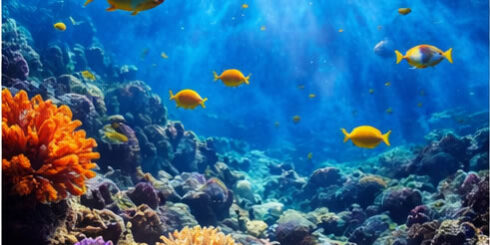
Symbiosis between cnidarians and their algal partners, primarily species of the genus Symbiodinium, plays a crucial role in ecosystems such as coral reefs. This relationship is pivotal for the survival of many marine organisms, enabling them to thrive in nutrient-poor environments by utilizing the photosynthesis of their algal partners. Cnidarians, including corals and sea anemones, derive energy from the organic compounds produced through photosynthesis, while providing their algal partners with a protected environment and essential nutrients.
In recent years, research has increasingly focused on how perturbations like climate change, pollution, and habitat destruction strain these essential symbiotic relationships. Notably, the decline of heterotrophic feeding—where organisms derive nutrients by consuming organic material—has raised concerns in ecological studies. The inability of cnidarians to supplement their energy intake through feeding may affect their development, particularly during asexual reproduction. This raises questions about the resiliency of these symbiotic partnerships.
Latest developments
Recent studies have shown that the adverse effects of depriving cnidarians of heterotrophic feeding during their asexual reproduction phases can lead to significant changes in their symbiotic relationships with algae. A study published in a prominent marine biology journal highlights how the absence of heterotrophic feeding during the development of asexual offspring leads to a collapse of these vital symbiotic interactions.
Researchers utilized a model cnidarian-algal system to demonstrate that a lack of nutritional intake during this critical developmental phase results in diminished algal populations within the cnidarians. Consequently, this not only impacts the energy available to the cnidarians, but also disrupts crucial metabolic interactions. The study found that offspring posed with limited feeding options succumbed to a weakened state, leading to the termination of symbiosis altogether.
This collapse of symbiotic relationships could have cascading effects on marine ecosystems, potentially impacting the broader health of coral reefs and other habitats where these interactions are foundational. The findings underscore the importance of heterotrophic feeding for maintaining the integrity of cnidarian-algal symbiosis, particularly in environments under stress.
What to watch next
As researchers continue to investigate the implications of these findings, several critical areas warrant attention. First, ongoing studies may unveil adaptive strategies that some cnidarians employ in response to nutritional shortages. Understanding these mechanisms could inform conservation strategies for preserving biodiversity in reef ecosystems facing rapid environmental changes.
Additionally, the relationship between climate change and the nutritional dynamics of cnidarians will likely remain a significant focus. Variating temperature and ocean acidification present new pressures, and their interplay with both heterotrophic feeding and symbiotic stability could redefine how these species adapt or decline.
Furthermore, monitoring the long-term effects of disrupted symbiosis on coral reef resilience will be essential. As the future of coral systems hangs in the balance, the findings serve as a clarion call for the necessity of holistic marine management strategies that consider both feeding behaviors and symbiotic relationships. The delicate balance between cnidarians and their algal partners may prove to be more critical than ever in determining the survival of marine ecosystems in an increasingly turbulent world.
Original Source: https://www.nature.com/articles/s41598-026-46562-2