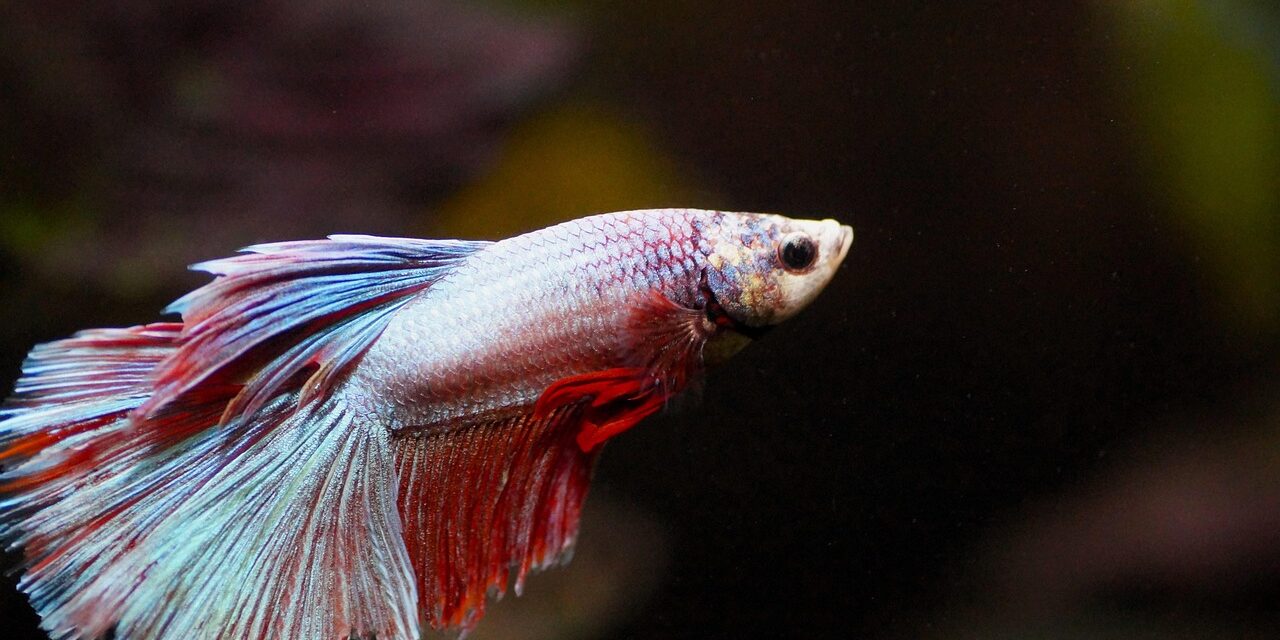
The world of aquarium keeping is witnessing an uptick in interest in breeding egg-scattering fish, a group known for their prolific breeding habits and colorful characteristics. As more aquarium enthusiasts look to diversify their fish collections, they are turning their attention to successfully nurturing these species at home. Recent success stories in local aquariums and online forums illustrate that breeding these fish can be an exciting and approachable venture for hobbyists.
The latest turn
Recent developments in the aquarium community highlight innovative strategies that fish keepers are employing to breed egg-scattering fish effectively. Enthusiasts have reported increased spawning rates by meticulously controlling water temperature, pH levels, and providing the right environmental conditions within their tanks. With documented instances of spawning events doubling in certain aquarist circles, it appears that the foundational principles of breeding these species are becoming more refined.
How the story got here
The journey of breeding egg-scattering fish begins with understanding the needs of the specific species you intend to keep. This group, which includes popular species such as guppies, rainbowfish, and danios, typically requires separate breeding tanks to ensure higher survival rates of eggs and fry. This practice originated in the early days of aquarium keeping when hobbyists began to experiment with artificial environments that mimic natural ecosystems.
A successful breeding setup involves multiple elements: a breeding tank with dim lighting, fine-leaved plants, or spawning mops to provide hiding spots for the eggs is essential. Conditions such as water temperature (usually between 75°F to 80°F), soft water, and a slightly acidic to neutral pH (6.5 to 7.5) favor breeding behaviors in these fish. Additionally, maintaining stable water conditions is critical. Regular testing of the water quality ensures that parameters remain conducive to spawning.
Moreover, feeding fish a varied diet rich in nutrients prior to expected spawning can significantly boost their reproductive activity. This involves incorporating high-quality flake food, frozen foods like brine shrimp, and live food, which can stimulate egg production. Many successful breeders also utilize hormonal injections to enhance breeding success, though this method should be approached with careful consideration and knowledge.
Next expected developments
As the community continues to share knowledge and techniques, it is likely that we will witness new innovations in breeding practices designed to improve fry survival rates and genetic diversity. The rise of genetic management in aquaculture could also change how hobbyists approach breeding, with increased awareness of inbreeding risks and potential interventions to promote healthier fish lines.
In coming months, aquarists may see more specialized breeding workshops or webinars hosted by experienced breeders, offering insights into their successful methods and further optimizing practices. As this trend grows, the quality and profitability of breeding egg-scattering fish are also expected to rise, making these species appealing additions to both novice aquarists and seasoned enthusiasts alike.
Original Source: https://www.aquariumcoop.com/blogs/aquarium/how-to-breed-egg-scatterers