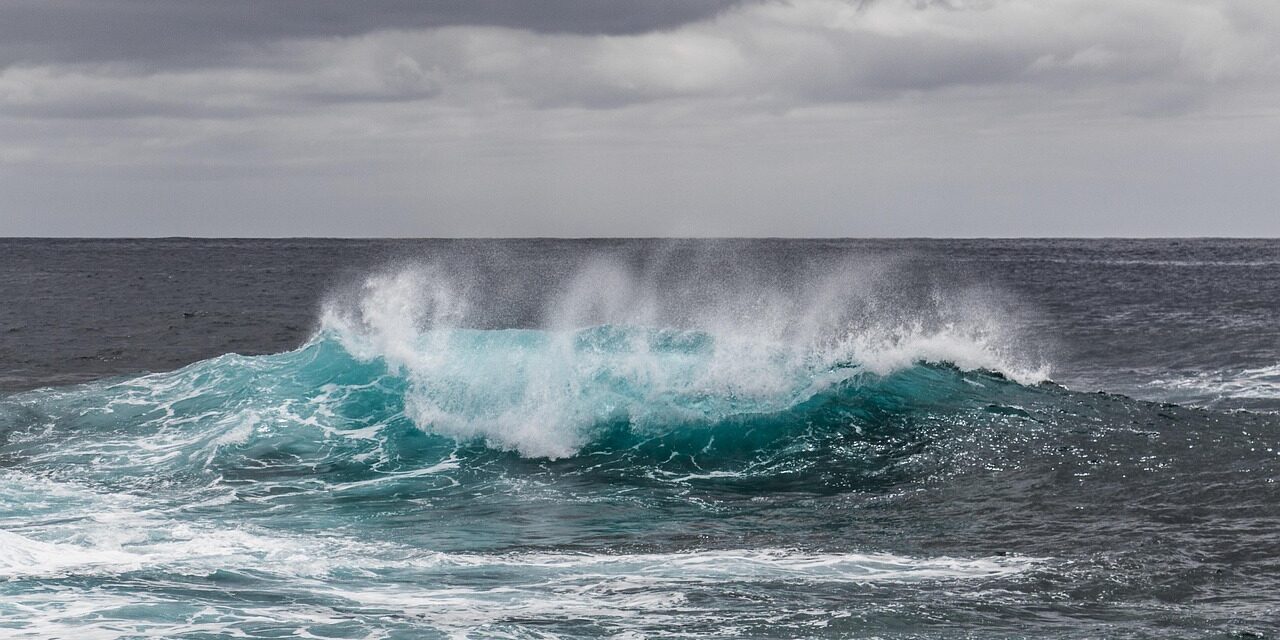
In a surprising turn of events, the Victorian Government has announced the establishment of new marine parks, a decision that breaks its earlier commitment to refrain from expanding marine protected areas. This announcement, made earlier this week, has prompted immediate reactions from various stakeholders, including environmental groups, the fishing industry, and the concerned public.
Immediate reaction
The response to the new marine park designation has been swift and polarized. Environmental advocates have lauded the decision as a necessary step towards preserving biodiversity and protecting marine ecosystems. Organizations such as the Australian Marine Conservation Society have expressed their approval, emphasizing that the renewed protections will help safeguard vital marine habitats from overfishing and pollution.
Conversely, the fishing industry has voiced strong opposition, arguing that these new restrictions could severely impact local livelihoods. Industry representatives claim that the government’s shift undermines years of collaborative efforts between the fishing community and regulators. Some fishers fear losing access to traditional fishing grounds, which could diminish both their economic stability and food security.
Public sentiment appears mixed, with many residents and community groups supporting the initiative for environmental protection while others rally behind the fishermen’s needs. Social media platforms are buzzing with discussions, reflecting a broader divide in opinion regarding the balance between ecological conservation and economic activity.
What triggered the move
This abrupt policy change appears to have been triggered by ongoing scientific findings highlighting the alarming rate of marine biodiversity loss in Victoria’s waters. Reports from marine scientists emphasized the negative impacts of climate change, overfishing, and habitat destruction, urging the government to take decisive action sooner rather than later.
The announcement aligns with a growing global trend towards enhancing marine protected areas as a means to combat environmental degradation. In response to international commitments, including the United Nations’ call to protect 30% of the world’s oceans by 2030, states like Victoria are grappling with the urgency to act responsibly while addressing local economic concerns.
Why readers should care
This decision to expand marine parks is essential not only for environmental conservation but also for understanding the complex interplay between ecological health and economic stability. Readers should be aware that while the protection of marine environments may limit certain activities, the long-term benefits could outweigh immediate drawbacks, potentially leading to healthier fish stocks and more sustainable fishing practices in the future.
The outcome of this policy shift will likely affect local economies in the short term, as industry adjustments may be necessary and adaptation measures could be implemented. Additionally, the evolving conversation between conservationists and industry players may set a precedent for future environmental policy, emphasizing the importance of collaboration in addressing climate change and protecting natural resources. As stakeholders continue to negotiate the implications of these new marine parks, the lasting impact on both the marine ecosystem and local economies remains to be seen.