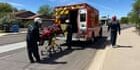
In a startling incident in Arizona, a hiker was left in critical condition after suffering more than 100 bee stings while exploring the wilderness. The event has raised concerns among outdoor enthusiasts and sparked discussions regarding the safety measures needed when enjoying nature.
Immediate reaction
Locals and fellow hikers reacted swiftly to the news, expressing their shock and concern over the health risks associated with outdoor activities. Many took to social media to share their thoughts, with some emphasizing the need for increased awareness about potential encounters with aggressive bee populations. “It’s a reminder that nature can be unpredictable,” noted one local resident, underscoring the vulnerability of outdoor enthusiasts. The state’s natural parks are popular destinations, and many visitors are now reconsidering their safety precautions.
Emergency response teams reported that the hiker experienced severe allergic reactions and required immediate medical attention. The overwhelming number of bee stings posed a significant threat to the individual’s health, prompting a rapid response from nearby medical facilities. Community members have banded together to provide support for the victim’s family, highlighting the collective impact of such a distressing event.
What triggered the move
The incident occurred during a popular hiking season in Arizona, a time when countless individuals take to the trails. While bee stings are not uncommon, encounters with aggressive swarms are less frequent but can occur, especially as bees become more protective of their nests during warmer months. Experts suggest that this particular swarm may have been startled by human activity, leading to an unexpected and dangerous confrontation.
Natural resource management officials emphasize the importance of understanding bee behavior and safety measures that hikers should adopt. “Awareness campaigns about wildlife interactions, including bees, need to be a priority for outdoor organizations,” stated Dr. Emily Hart, an ecologist specializing in insect behavior. She and others in the field stress that hiking groups and individuals should be educated on the signs of bee presence and the protocols to follow in case of a swarm encounter.
Why readers should care
This incident is a wake-up call for outdoor enthusiasts, highlighting the occasionally perilous nature of hiking—a popular pastime for many Arizonans and tourists alike. It serves as a reminder that while enjoying the beauty of the natural landscape, safety cannot be overlooked. The need for comprehensive information on wildlife encounters extends beyond bees, affecting how the public interacts with all elements of nature.
Furthermore, the repercussions of this event could lead to increased discourse on trail regulations and visitor education initiatives. As more hikers are drawn to the outdoors, responsible engagement practices are essential to reduce risks and improve overall safety. Keeping the conversation about wildlife safety ongoing can help ensure that adventures in the great outdoors remain memorable for all the right reasons.
In the short term, expect to see local organizations ramping up educational efforts around bee safety and outdoor protocols to ensure that incidents like this become increasingly rare.
Original Source: https://www.theguardian.com/us-news/2026/apr/06/arizona-bees-sting-hiker-phoenix