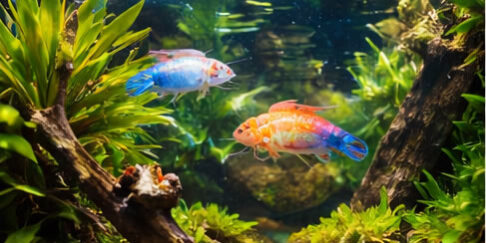
As of October 2023, the growing popularity of red and black phantom tetras has sparked renewed interest among fish enthusiasts, prompting a closer examination of their care needs, including optimal housing and dietary requirements. Understanding these elements is essential for both novice and seasoned aquarists looking to maintain a thriving freshwater aquarium.
The latest turn
Recent reports indicate a significant rise in the availability of red and black phantom tetras in aquarium shops worldwide. This increase can be attributed to their captivating colors and peaceful nature, which make them ideal for community tanks. Furthermore, as more aquarists seek to diversify their stock, the demand for thoughtful care guides—like this one—has become a focal point for maintaining healthy fish populations.
How the story got here
The red and black phantom tetras, members of the Hyphessobrycon genus, originate from rivers in South America. These fish are well-regarded for their striking coloration: red and black hues that stand out against the green backdrop of aquatic plants. Initially popularized in the late 20th century, they have remained a favored choice among aquarists, leading researchers and hobbyists alike to explore their care specifics in detail.
When bringing red or black phantom tetras into your aquarium, consider the tank size and environment. A minimum of a 20-gallon tank is recommended, providing enough space for swimming and establishing a comfortable territory. These fish prefer a well-planted aquarium with hiding spots, such as rocks and driftwood, to mimic their natural habitat. Additionally, maintaining soft to slightly acidic water (pH 6.0 to 7.5) at temperatures between 72°F to 80°F is crucial for their health.
Feeding habits also play a vital role in their care. A balanced diet should consist of high-quality flakes, as well as occasional treats like freeze-dried or frozen foods, which can include bloodworms and brine shrimp. This not only ensures their nutritional needs are met but also enhances their vibrant colors. Caution should be taken to avoid overfeeding, as uneaten food can deteriorate water quality and lead to health issues.
Next expected developments
Looking ahead, it is likely that the trend of incorporating red and black phantom tetras into aquariums will continue. As more aquarists share their experiences on platforms such as social media and online forums, valuable insights regarding breeding and behavioral patterns may emerge. Future discussions may also tackle the importance of sustainability in the fishkeeping industry, raising awareness about ethical sourcing practices that could impact the availability of these captivating fish.
In conclusion, understanding the nuanced care requirements of red and black phantom tetras is imperative for fostering a healthy aquarium environment. As aquarist communities evolve, keep an eye on further developments in caring for these enchanting fish, which promise to remain a staple in many freshwater tanks.
Original Source: https://www.aquariumcoop.com/blogs/aquarium/red-and-black-phantom-tetras