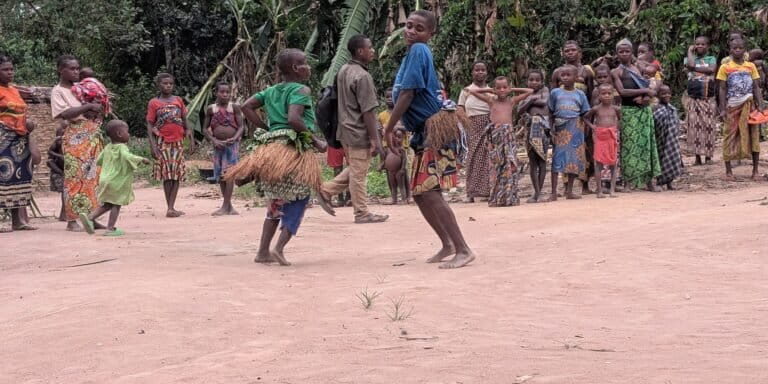
The Central African Republic (CAR) is witnessing the dawn of justice for its Indigenous peoples with the recent opening of a dedicated human rights center. The center, the first of its kind in the country, is dedicated to addressing human rights issues faced by the indigenous communities, and provides a much-needed platform for justice in a nation torn by decades of political conflict.
Established by a coalition of local and international human rights organizations, the center aims to provide legal support, aid access to basic resources and offer educational opportunities for Indigenous people. The unique initiative is gaining recognition and gathering much attention from the international community for its attempts to rectify historical injustices and promote social inclusion.
The Indigenous population of CAR, including Pygmies and other traditional forest-dwelling tribes, have long been marginalized and discriminated against. According to various online reports, they often experience displacement, land rights violations, violence, and lack of access to education, healthcare, and political representation.
“Our goal is to bring their plight to light and give them a platform to voice their concerns,” said the spokesperson of the center, underscoring the importance of recognizing the Indigenous people’s rights to land, cultural identity, and self-determination. The center will also assist in filing legal injunctions to combat human rights violations and provide paralegal training to indigenous community leaders.
The human rights center is a significant step toward leveling the playing field for the Indigenous communities historically pushed to the peripheries. Ambitious in its scope, the center’s mission also extends to influencing local laws and lobbying for policy changes at the national and international level to address Indigenous rights.
One immediate area of focus will be the land rights issue. The displacement of Indigenous people due to land-grabbing, commercial ventures, and conserved lands has accumulated into a decade-long crisis. The center will collaborate with legal professionals and human rights advocates to ensure Indigenous communities have legal recourse against dispossession.
A contributing factor to the Indigenous people’s challenges has been a lack of education, an issue the center aims to address by providing scholarships and educational support to Indigenous children. This should enable them to circumvent barriers to opportunities caused by illiteracy and language discrimination, and equip them for participation in local government and employment.
The center’s success will heavily depend on the extent of cooperation from the CAR government and its willingness to uphold and respect Indigenous rights. So far, the United Nations, numerous NGOs, and the wider international community have expressed their support for the initiative, urging the CAR government to show commitment towards improved Indigenous rights.
CAR’s Indigenous communities have historically lacked a strong advocate for their rights. Local lawyers and human rights advocates have often been hamstrung by limited resources, a deficiency this center aims to redress. Leveraging the cultural knowledge of Indigenous people can also make environmental conservation efforts more nuanced and effective.
Although the task is colossal and fraught with challenges, the center’s opening is a beacon of hope. With strategic efforts towards policy reform, it signifies a pivotal point in Central African Republic’s turbulent history. By providing much-needed advocacy, the center seeks to transform perceptions, and, ultimately, to inspire a societal shift in attitudes towards the Indigenous communities.
While it is only the start, this first-of-its-kind center has put a firm foot on the path to addressing the pressing human rights issues faced by the Indigenous people in the Central African Republic. In doing so, it stands not only as a symbol of justice but also a key instrument for equitable social change.
Original Source: https://news.mongabay.com/2026/04/a-human-rights-center-opens-a-path-to-justice-for-indigenous-peoples-in-the-central-african-republic/