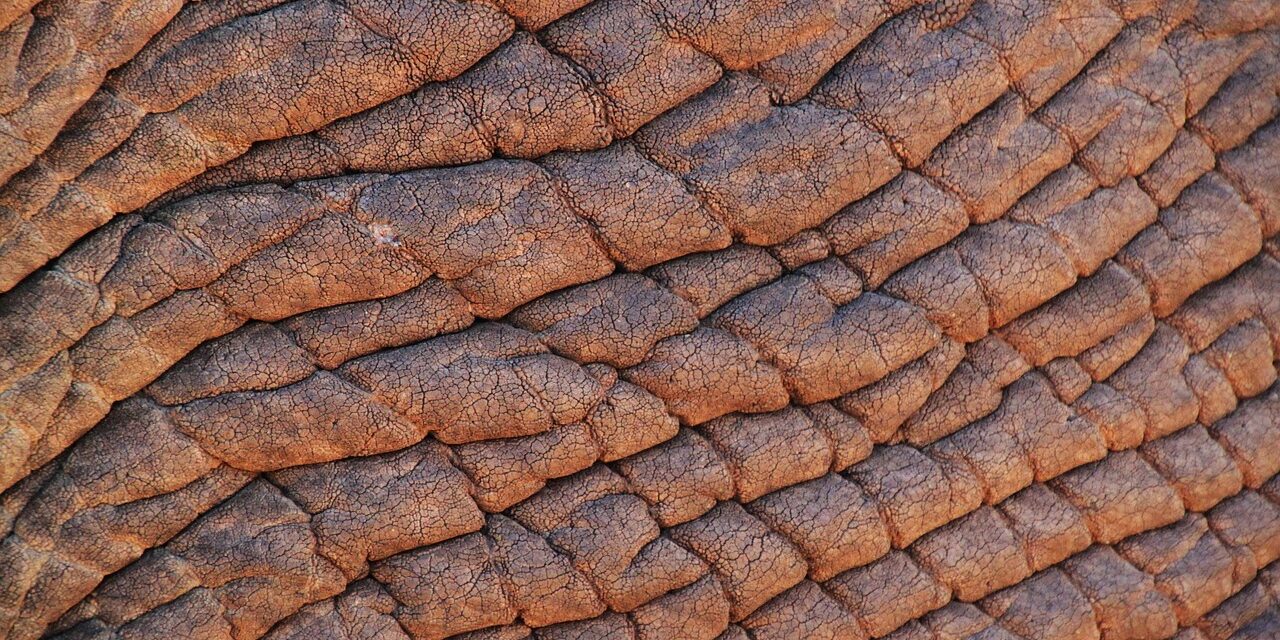
In the paradox of darkness beneath the Earth’s surface, an unusual type of rock, oddly dubbed as ‘elephant skin’ texture, is illuminating the existence of formerly undiscovered ancient life deep within the ocean abyss.
A team of international scientists studying a breadth of ocean sediment unleashed the mystery of these unusual stone formations in their recent publication. The study, led by scientists at Germany’s Max Planck Institute for Marine Microbiology and the MARUM Center for Marine Environmental Sciences, scrutinizes the connection between the unique rock formations and the ancient life preserved within them.
Per the research, the intriguing ‘elephant skin’ texture constitutes microscopic bumps and ridges imprinted on the rock surfaces. This texture is a result of ancient microbial activity and hints towards the persistent existence of microscopic life at extreme depths below the seafloor where light is a scarce commodity.
Marine scientist Dr. Aurèle Vuillemin explained that these unique textures commonly appear on rock slides in underwater landslides. “These slides, by displacing large volumes of sediments, expose a lot of fresh material that microbes can use as food”, Vuillemin said.
The newly analyzed rocks were part of the debris flow that occurred in the North Atlantic Ocean, off the west coast of Africa, nearly 120,000 years ago. The fascinating phenomenon transpires when cataclysmic events, like earthquakes, displace vast amounts of sediment.
Analysts not only found the textures in a myriad of samples but also discovered that the microbial life varied between different types of sites. Locations that host bacteria that require light for photosynthesis showed particularly higher occurrences. The disparity between sunlight-rich and sunlight-poor areas endorsed the remarkability of life prevailing in such challenging environments.
Dr. Timothy Ferdelman from the Max Planck Institute said, “The general idea that life is a planetary phenomenon; that is not limited to the ‘usual’ photic zone, but in fact, must be active to a considerable depth below the ocean floor, is further demonstrated by this study.”
A noteworthy insight was the apparent accelerated microbial activity occurring soon after the landslides, followed by a sharp decrease, suggesting their ability to adapt to the sudden change in conditions. These findings raise questions about how the microbes could survive nutrient depletion for extended periods.
This research enhances our comprehension of the survival dynamics of life forms across the vast expanses of our planet’s deep-sea ecosystems and illuminates the largely unexplored pathways that life may have undertaken on Earth over its lifetime.
However, these discoveries not only inject a new vitality into our understanding of life in the depths of our own planet but could also extend our reach into the cosmos. As we extrapolate this data and apply it to the exploration of other celestial bodies, it provides the tantalizing possibility that life, as yet unidentified in our universe, may exist in environmental circumstances similar to these ‘elephant skin’ rocks.
As we delve into the mysteries of these ancient rocks, we unlock a hidden chapter in the story of life on Earth. This unusual texture could transform our understanding of life in extreme environments, offering a fresh perspective on the robustness of life beneath the oceans and potentially, beyond Earth.
The scientists involved in the study anticipate that their groundbreaking research will foster a new understanding and spark future explorations into the viability of life forms in Earth’s extreme environments. The strange ‘elephant skin’ rocks may very well be a testament to life, demonstrating its resiliency in the harshest conditions across the universe.
Original Source: https://www.sciencedaily.com/releases/2026/04/260402042807.htm