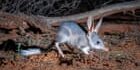
Recent reports indicate that the breeding trial to reintroduce the endangered bilby species into the Mallee Cliffs National Park in New South Wales, Australia, is exhibiting significant progress. This sensitive ecosystem was once home to the bilby, a small native marsupial known for the distinctive tall ears and long tail, but decades of predation and habitation disruption led to their near extinction.
The successful sign is the result of the collaboration between Australian and international conservational bodies, the Australian Wildlife Conservancy (AWC), the NSW Government’s Saving Our Species program, and private sector entities. The ultimate aim is to increase the country’s biodiversity and bring back the once-common, uniquely-Australian species.
AWC scientists have been experimenting with a 32 kilometers squared exclosure within the national park. This fenced area has been designed to keep out feral predators such as foxes and cats, which are directly linked to the bilby’s disappearance from 80% of their former territory.
Since the program’s initiation in 2019, the captive bilby population has been thriving in the safety of the exclosure. Recent census data collected over a three-month period, taken with spotlights and motion-sensor cameras, revealed at least 30 bilbies have been living within the designated area. The scientists have declared this robust population increase a significant step towards their long-term conservation.
Measuring the breeding trial’s success is not solely about population growth; the bilbies’ behavioural patterns and adaptation to their new habitat is another critical component. Dr. John Kanowski, AWC’s Chief Scientist, reported that the bilbies have been interacting well with the sandy, mallee habitat, often leaving burrow entrances and diggings as clear indicators of their growing comfort.
Moreover, it was observed that the bilbies are adapting to the nocturnal lifestyle necessary to survive in this particular environment. The diggings left behind by bilbies also serve a double benefit, as they attract insects and increase soil water infiltration, further indicating the marsupials’ potential positive effect on the ecosystem.
The project’s success thus far has sparked great enthusiasm amongst the conservationist community. According to NSW Environment Minister Matt Kean, “This is a major win for Australian wildlife conservation and is a crucial step towards achieving our objective of preventing further species extinctions.”
However, numerous challenges still stand in the way of reintroducing the bilby back into the wild. Feral predators, though they are kept at bay by the enclosure, still pose a threat. If these animals find a way into the exclosure, it could be detrimental to the vulnerable bilby population. Climate change too is a significant threat, with possibilities of wildfires and increased aridity making survival difficult for the species.
Despite these challenges, the success of the bilby breeding trial in Mallee Cliffs National Park is a beacon of hope for conservationists. This project’s developments might not only be significant for the bilby but could also provide valuable insights into the strategies needed to rebalance and revive the many ecosystems across Australia that have been disrupted by non-native species and climate change.
As the trial progresses, researchers and conservationists will continue to closely monitor the bilby population, working tirelessly to make their reintroduction to Mallee Cliffs not just a short-term success but a long-term sustainable reality. In the fierce battle against extinction, the bilby trial exhibits a promising forefront on the path of native species conservation.
Original Source: https://www.theguardian.com/australia-news/2026/apr/05/bilby-breeding-trial-nsw-australia-easter-