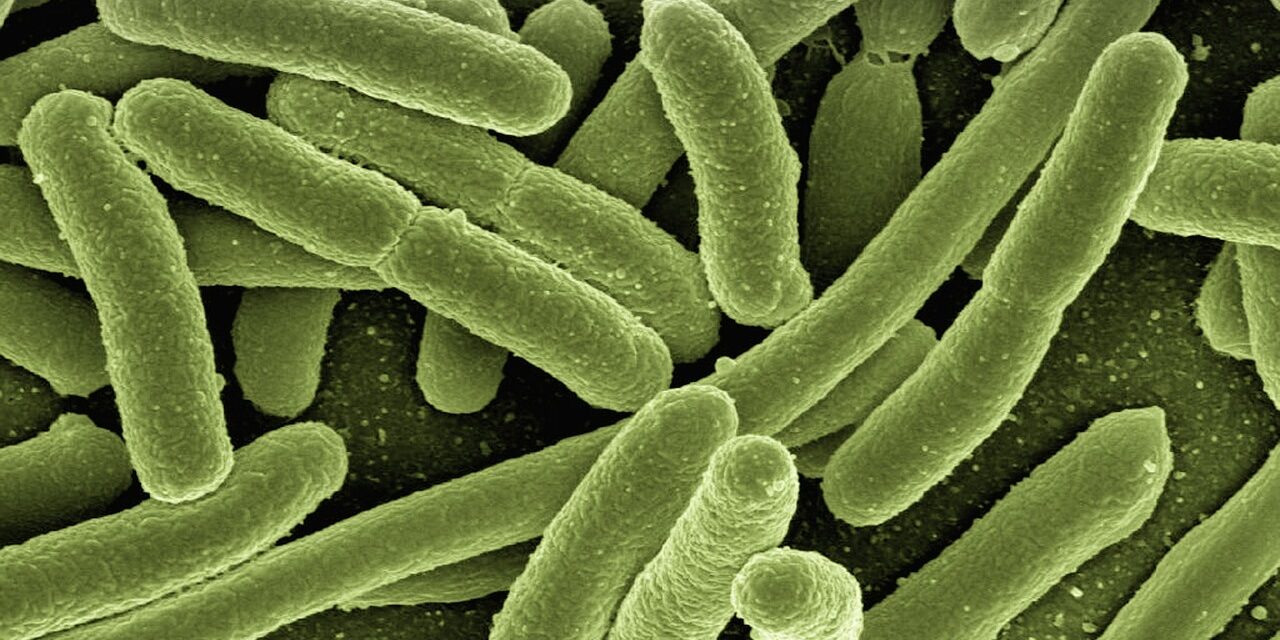
Recent studies have raised concerns about the possible high exposure risk that pathogen dispersal can cause at European flat oyster restoration sites. Scientists express worries that pathogens, which can rapidly spread and inflate across marine environments, might significantly impede efforts to restore the European flat oyster populations.
The European flat oyster (Ostrea edulis) has been an essential part of the European marine biodiversity and has significant ecological and economic importance. However, two diseases—Bonamia ostreae and Marteilia refringens—caused a dramatic drop in their numbers during the second half of the 20th century. Consequently, multiple restoration projects have been underway to bring back the population to its former glory.
Nevertheless, pathogen dispersal, which refers to how disease-causing organisms spread across a certain population or ecosystem, presents impediments to these restoration efforts. Pathogens can migrate from one host to another, multiplying rapidly, leading to a health crisis for the sensitive oyster populations in European waters.
Recent studies indicate that high exposure risk could be linked to the duality of restoration sites simultaneously acting as pathogen sources due to the high density of newly introduced oyster populations. This close proximity can allow for the easy spread of pathogens, potentially turning these restoration sites into hotspots that can quickly disperse diseases to nearby wild or cultivated oyster populations.
Dr. Mark Dickey-Collas, of the International Council for the Exploration of the Sea, commented, “There could be repercussions if pathogens produced in restoration stocks spread to wild stocks. We need to consider the balance between restoration benefits and potential adverse effects.”
To mitigate the potential risk, restoration projects are now committed to using disease-free oysters for restocking and monitoring the sites carefully to ensure the prevention of the pathogen spread. However, given the challenging marine environment, experts believe that a comprehensive strategy is required, encompassing strong regulation, sanitation practices, increased research, and quick response mechanisms in case of future pathogen outbreaks.
Dr. K. Georgiev, from Bangor University’s School of Natural Sciences, added, “Sanitary measures alone will not be enough. The completed studies show that the development and application of such measures will require careful planning, incorporating a holistic approach that considers the impact of the restoration practice, the natural environment, the human element, and the socio-economic aspect.”
This emerging concern has prompted calls for collaboration between science, management, and stakeholders in establishing a comprehensive and proactive plan to address this risk. It highlights the need for sustainable and responsible practices within restoration projects to balance the need for ecological restoration and the prevention of pathogen outbreaks.
While the benefits of oyster restoration are clear—contributing to biodiversity, improving water quality, and stimulating the economy—the potential risks involved with pathogen dispersal underscore the complexity of restoration efforts. This new finding demands a more cautious and comprehensive approach to restore the European flat oyster populations without compromising the health and safety of the existing aquatic ecosystems.
As these restoration efforts proceed, rigorous application of scientific wisdom, practical strategy, and collaborative investment will be essential to revive the oyster populations while concurrently protecting the marine environment from the harsh repercussions of pathogen spread.
This challenging circumstance spotlights the delicate task of balancing ecological restoration and the potential threats it incurs—implying that restoration is not merely about repopulation but creating a harmonious environment for sustainable and healthy growth.
Original Source: https://www.nature.com/articles/s43247-026-03319-z