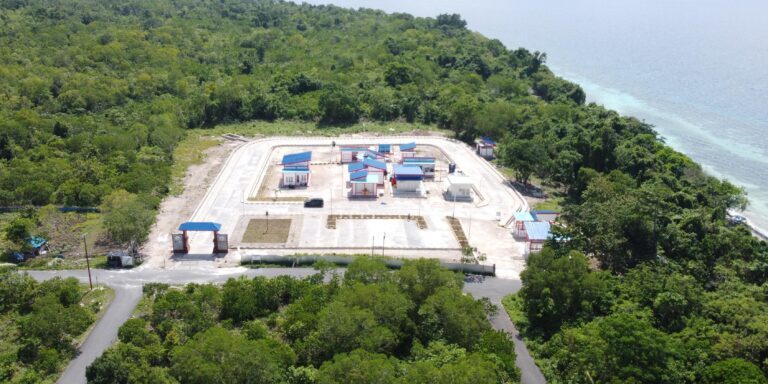
Indigenous Papuans are rising in opposition to a government proposal that aims to transform their traditional fishing grounds into modernized fishing villages. The plan, birthed by the Indonesian State, is met with increasing contention as it poses significant threats to the daily life and cultural heritage of the indigenous communities residing in the region.
The government’s initiative, favoring more commercial fishing operations, is part of a larger economic development push. This plan seeks to lure investment into the remote region and create jobs, fostering the local economy. However, the indigenous community contends that transforming their ancestral grounds into commercial fishing zones threatens their cultural practices and livelihood.
“The sea isn’t just a source of food. It’s a part of our life, our culture, our story,” said Yohanis Goram, a member of the Amar Tribe in East Seram regency, Maluku. “This plan would rob us of those roots.”
The indigenous communities rely heavily on fishing not only for their food but also for cultural practices and religious rites. They decry the state’s lack of consultation with local residents before devising a plan that could drastically transform the fabric of their society.
Eben Kirksey, a professor of anthropology at Deakin University, says that the situation is not as black and white as it seems. “It’s not just about the environmental impact,” said Kirksey. “It’s about human rights, autonomy, and cultural survival.”
Indigenous reactions have prompted online protests calling for the defense of their rights. A surge of web-based activism under the initiative #SaveOurSea has attracted global attention and solidarity. The hashtag references the broader struggle between local communities and international corporations over natural resources in Indonesian Papua.
Arguing that the plan could displace the region’s traditional way of life with a market-oriented model, the indigenous communities claim that these moves are an extension of colonial efforts to exploit natural resources. They insist that their opposition isn’t merely about a handful of fishing villages but is a reaction to broader issues of land rights and self-determination.
Various human rights groups have also opposed the proposal, emphasizing that the initiative goes against the principles of Free, Prior and Informed Consent (FPIC). FPIC, a key principle of international law respecting indigenous peoples’ land rights, emphasizes that these communities should be consulted and their consent sought before any changes are made to their land or resources.
“The Papua administration needs to reconsider this plan,” said Andreas Harsono, a representative of Human Rights Watch. “It lacks transparency, disregards the rights of the local people, and could potentially harm the environment.”
Nevertheless, the government maintains that the plan is essential to improve the living conditions of Papua’s residents. Governor Lukas Enembe has said that the infrastructure and employment opportunities created by these new fishing villages would uplift Papua’s local economy and social welfare.
While the dispute represents a cultural and economic clash, it also starkly illustrates global issues, such as indigenous rights, environmental sustainability, and economic development. As the controversy unfolds, it is clear that the water straddling Indonesia’s easternmost region is becoming a flashpoint of competing interests, raising serious questions about the future of Indonesia’s indigenous peoples’ rights.
At present, it remains uncertain whether the state’s economic development plan or the indigenous resistance will prevail. Whatever the outcome, this story shines a light on the ongoing struggles indigenous communities around the world face in defending their ancestral lands and cultural heritage.
Original Source: https://news.mongabay.com/2026/04/state-fishing-village-plan-in-indonesian-papua-sparks-indigenous-opposition/