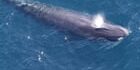
In a highly controversial move, the United States government’s so-called ‘God Squad’ has waived the Endangered Species Act, a law long accepted as one of the most effective ways to safeguard at-risk wildlife, in the Gulf of Mexico. This unprecedented decision potentially paves the way for new oil and gas drillings, a move that environmentalists fear could have dire consequences for the region’s numerous endangered species, including the blue whale and Kemp’s Ridley sea turtle.
The ‘God Squad’- officially known as the Endangered Species Committee – is a rarely convened group that includes seven members pulled from high-ranking positions in the Federal government. Its traditional role is to provide exemptions for cases wherein the economic benefits might outweigh the needs of protecting endangered species – a function rarely invoked and necessitating compelling reasons for any waivers.
The last official meeting of the committee took place more than 25 years ago, resurfacing only recently to assess economic-driven projects against their projected environmental impacts. This waiver in the Gulf of Mexico is a significant occurrence, given that it will impact an area already vulnerable due to issues such as climate change, overfishing, and existing oil exploration.
Despite the wave of criticism received for this decision, those in favor argue that it is warranted by the economic advantages that may stem from oil and gas exploration. They insist that waiving the rules will help revive an industry hit hard by the pandemic and ensure that thousands of people remain employed in the sector.
The proposed operation sees activities spread across more than 63 million acres in the Gulf, an area known for its rich biodiversity and as a critical habitat for numerous endangered and threatened species. The waiver allows expedience in the approval of oil and gas companies’ permits, by bypassing in-depth environmental assessments formerly required under the Endangered Species Act.
Environmental organizations, scientists, and numerous concerned citizens have decried the move, highlighting the potential environmental cost. They fear that this exemption might set a dangerous precedent, potentially pushing multiple species towards extinction and risking substantial biodiversity loss.
They further argue the detrimental environmental impacts are not just confined to endangering specific species. Critics point to the potential for oil spills like the Deepwater Horizon spill in 2010, which wreaked significant environmental havoc and took years to mitigate. Climate change implications are also cited, asserting that further fossil fuel extraction only compounds the critical global crisis.
While the waiver implications are alarming to many, the legality is not under dispute. The Endangered Species Committee is legally allowed to grant these controversial exemptions, something that critics say highlights the need for more robust and broad wildlife protections that cannot be easily sidestepped.
Moreover, the committee members did stipulate conditions that have to be met by the drilling companies. These include implementing additional safety measures, avoiding known key habitats, and contributing to a fund designed to compensate for environmental damages. However, the critics question the adequacy and enforcement of these conditions.
As the Gulf of Mexico is poised for this seismic change, the debates worldwide are intensifying. At the heart of it lies the concerning question surrounding the constant tug-of-war between economic growth versus environmental protection.
The decisions faced by governments worldwide are unquestionably complex and multi-layered, but this new precedence in the Gulf of Mexico has thrown these challenges into sharper relief. On one hand lies the potential short-term economic gains; on the other hand, the possible devastating and far-reaching environmental consequences that could impact generations to come.
Original Source: https://www.theguardian.com/us-news/2026/mar/31/gulf-of-mexico-drilling-endangered-species