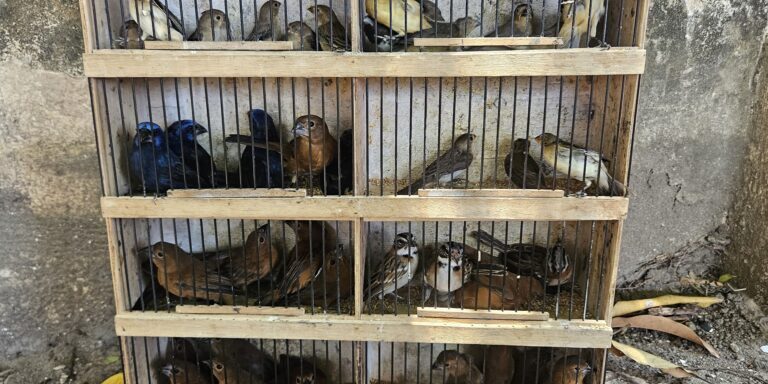
Macaws and parrots, cherished for their vibrant colors and human-like ability for speech, are no strangers to peril with most species considered vulnerable or threatened. However, a fresh threat has lain siege on these tropical birds, this time in the bustling open-air markets, where they are commonly sold as pets. A lethal virus infection is spreading rapidly among the avian populations, placing additional stress on the already dwindling numbers of these exotic species.
The Parrot Bornavirus (PaBV) is the perpetrator behind this health crisis, which advances Proventricular Dilatation Disease (PDD) in the infected birds. The symptoms of this fatal condition range from weight loss and regurgitation to neurological disorders like tremors or the inability to perch.
A recent study published in the Virology Journal, conducted by an international research group led by Professor Robert Doneley from the University of Queensland, Australia, first reported the outbreak. It found that open-air markets, frequently visited by locals and tourists alike, are contributing significantly to the disease’s spread due to poor sanitary conditions and the close-quarter confinement of different bird species.
“It’s a worrying situation because open-air markets are usually bustling, crowded spaces. These birds are often kept in highly stressful conditions, which make them more susceptible to infections. The risk of the virus spreading to the wild populations is enormous, causing irreversible damage,” said Prof. Doneley.
The research indicates that stress prompts the virus’s activation and influences its transmission. Birds undergoing stress from overcrowding and transportation are more likely to become infected and spread the virus to other birds, including those in the wild.
“It’s not only about the welfare of these captive birds. We’re potentially looking at a knock-on effect that could devastate the already at-risk wild populations of these species,” added Prof. Doneley.
Taking online platforms by storm, many people have voiced their concern over this escalating issue. The hashtags #ParrotCrisis and #SaveMacaws have trended on Twitter, with users pleading for immediate action and stricter regulations in bird markets.
In response to the rising alarm, various wildlife conservation organizations are making efforts to raise awareness about this lethal virus. They urge the public to rely on certified breeders for pet acquisitions instead of buying from open-air markets, reducing the demand, and subsequently, the stress-induced spread of Parrot Bornavirus.
Officials are also urged to ramp up regulations, improve market sanitation, and demand more humane treatment of the birds. In a noteworthy move towards this objective, extraordinary measures were undertaken by the Brazilian Institute of Environment and Renewable Natural Resources (IBAMA). They banned the commercialization of birds in open-air markets altogether in an attempt to prevent further spread of the disease.
The World Parrot Trust has also echoed the need for ongoing research and an international cooperation to cease the virus’s spread and grant these birds the safe and sanitary living conditions they desperately need. They have also solicited for public support in their fight against this crisis.
As macaws and parrots inch closer to extinction due to habitat destruction, trafficking, and now, a lethal viral infection, it has never been more urgent to address their plight. Protecting these birds involves not just saving beautiful and intelligent creatures but also preserving the delicate ecosystems they uphold.
As these exotic birds sit uncomfortably on the precipice of survival, this escalating health crisis speaks volumes about the plight of the wildlife trading industry and the devastating effects it has regularly on the bird population at large. Only amplified cooperation, stricter regulations, and public consciousness can hope to stem this rising tide of infectious disease threatening our feathery friends. The clock is undoubtedly ticking for macaws and parrots – our urgent action now will determine their future. The vibrant rainforests they enliven seem unthinkable without their melodic calls and glistening plumes.
Original Source: https://news.mongabay.com/2026/03/open-air-markets-hotspots-for-a-lethal-virus-infecting-macaws-and-parrots/