The COVID-19 pandemic has prompted many individuals to reassess their relationship with nature and their personal consumption choices. Among the trends is an increased interest in foraging, the practice of gathering wild foodstuffs from forests, fields, and other natural environments. However, is foraging a truly viable way to feed oneself, or is it just the latest food fad?
A surge in online searches and social media chatter suggests that more people are taking up foraging. Foraging workshops are on the upswing and websites dedicated to the practice are seeing record numbers of visitors. A Google Trends analysis shows that search queries related to foraging have reached a five-year high in 2020.
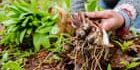
Certainly, foraging can be rewarding, both as a means of gratifying one’s curiosity about nature and as a way to acquire fresh produce. Edible plants and fungi are the most typical finds for foragers, along with berries and other fruits. One potential benefit is the opportunity to consume diverse foods that may be inaccessible or overlooked in conventional grocery stores, offering not only a range of flavors, but also nutritional benefits.
The practice also carries inherent appeal for those concerned about sustainability and the environment. Foraging for wild foods means fewer carbon emissions from transport, cultivation and packaging conventional produce, and it can also promote an appreciation of the natural world, encouraging preservation of biodiversity.
However, experts caution that relying solely on foraging as a primary food source is neither practical nor sustainable, especially in urban or densely populated areas. Dr. Naomi Buck Palagi, an ecologist and foraging instructor, suggests that, “Foraging should be seen more as a supplement to one’s diet than a primary source of nutrition, especially in areas where edible plant matter is sparse, such as in cities.”
Aside from quantity, the quality and safety of foraged foods are other significant considerations. Misidentification is a serious risk, with some poisonous plants, mushrooms, or berries closely resembling edible counterparts. Foraging, especially in polluted areas, can also pose risks of contamination. For these reasons, many experts advise against foraging without proper training.
Another factor to consider is the potential environmental impact. Unregulated or irresponsible foraging practices can deplete local resources and disrupt ecosystems. It is vital to follow sustainable foraging principles, such as taking only what you need and leaving no trace.
Furthermore, legal restrictions can limit the extent of foraging. Public lands often have rules against foraging or restrict the types of species that can be gathered. Additionally, private property laws certainly discourage harvesters from indiscriminately foraging off any land they come upon.
So, could you realistically feed yourself by foraging? The consensus is that, while foraging can add a welcome element of diversity and sustainability to your diet, it would be challenging and potentially environmentally harmful to rely on it as a primary source of nutrition in most places.
However, this doesn’t discount its value. Foraging can foster closer connections to local ecosystems, promote a broader dietary palette and contribute to a reduced carbon footprint. For those intrigued by foraging, beginners’ workshops, online guides, and expert-led excursions are available to ensure that it’s done safely, legally, and ethically. The key is to approach it responsibly, respecting both the opportunities and risks that come with sourcing your own wild food.
Original Source: https://www.theguardian.com/food/2026/mar/27/foraging-feasibility-food-environment