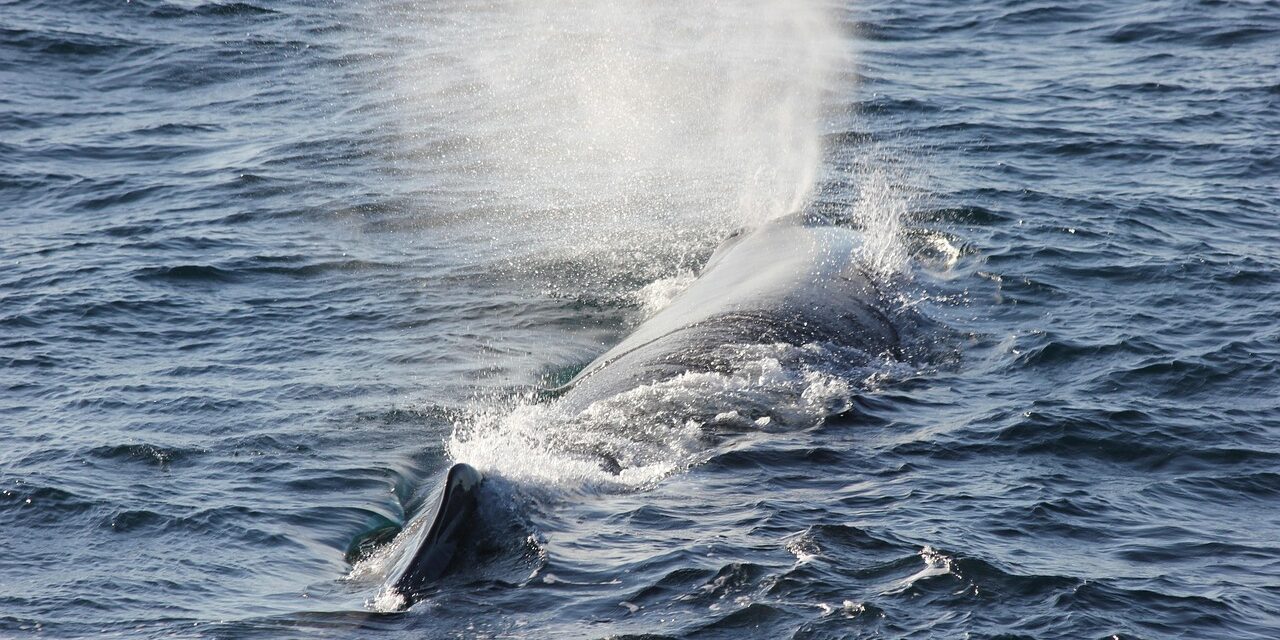
In a fascinating breakthrough, researchers have observed a cooperative sperm whale birthing period followed by intriguing shifts in coda vocal patterns. This is the first documentation of such a phenomenon, marking a significant advancement in understanding the social structures and communication dynamics of these marine mammals.
Scientists continual observation brought to light the harmonious and potential altruistic endeavors of these pod creatures during birthing. The discovery was made by researchers aboard a research vessel stationed in the Eastern Caribbean. Through prolonged, contemplative observation and recording, the team was able to document the minute-by-minute changes in the behavior of the sperm whales and their shifts in sound patterns.
Around the anticipated birthing time, the pod – known to comprise long-term bonded females – formed a circle, flanking the expectant mother from all sides. As the mother began active labor, the ‘babysitters,’ as the scientists fondly named them, steadied her using their massive bodies, keeping her in a vertical birthing position.
“The whales acted with a precision and unity that imply a deep-rooted instinctual response, or even more startlingly, a species-level grasp of the birthing process that’s been shared and passed down,” said marine biologist Dr. Lewis Thompson.
Accompanying these physical movements were shifts in coda vocalizations, unique to sperm whales. Codas – patterns of clicks used by these sea giants – resonated in adapted styles as the laboring mother engaged in different stages of birth. These changes in vocal style were likely communicative markers, guiding the ‘babysitters’ about the progress and status of the mother whale.
“Previously, we understood these codas as individual identifiers or markers of social or emotional states. But these shifts during birth suggest they can be responsive and adaptive,” explained Dr. Thompson.
Post the calf’s arrival, a sharp increase in celebratory, excited coda vocalizations was observed, resonating throughout the whale pod. This jubilation phase was followed by a quiet period, allowing the calf to ascend for its first breath, guided by the practiced flippers of its pod mates. Notably, these events also came with peculiar vocal shifts.
This groundbreaking research highlights the significant role communication plays in adaptable and complex social structures in sperm whales. Preliminary findings suggest that different situations require nuanced codas, revealing an intricate suite of communication strategies in the marine world yet to be understood completely.
An ethologist, Dr. Maria Andersson, reminded, “For long, we assumed human communication to be unique in complexity. But how sperm whales adapt their codas to different situations is a powerful reminder that we are not outliers in nature but part of a larger, interconnected community.”
The team’s findings are creating waves across online platforms, receiving an enthusiastic response from the scientific community and general public alike. The excitement surrounding the research illuminates the public’s ongoing interest in marine life and its complexities.
The new understanding of sperm whale birthing practices and coda adaptation opens the door for further investigations into the social structures of these mammals. It could also offer new insights into the way we view communication among animals, highlighting the potential depth of their ability to understand, react, and adapt to various scenarios.
More importantly, these findings reinforce the importance of protecting the marine ecosystem that houses such complex life forms. As our understanding of the incredible intelligence and social structures of these creatures deepens, our responsibility to protect their habitats must follow suit. The delicate balance of the ecosystem these creatures inhabit ought not to be underestimated, for it enables nature’s symphony to play out in all its majesty beneath the azure ocean waves.
Original Source: https://www.nature.com/articles/s41598-025-27438-3