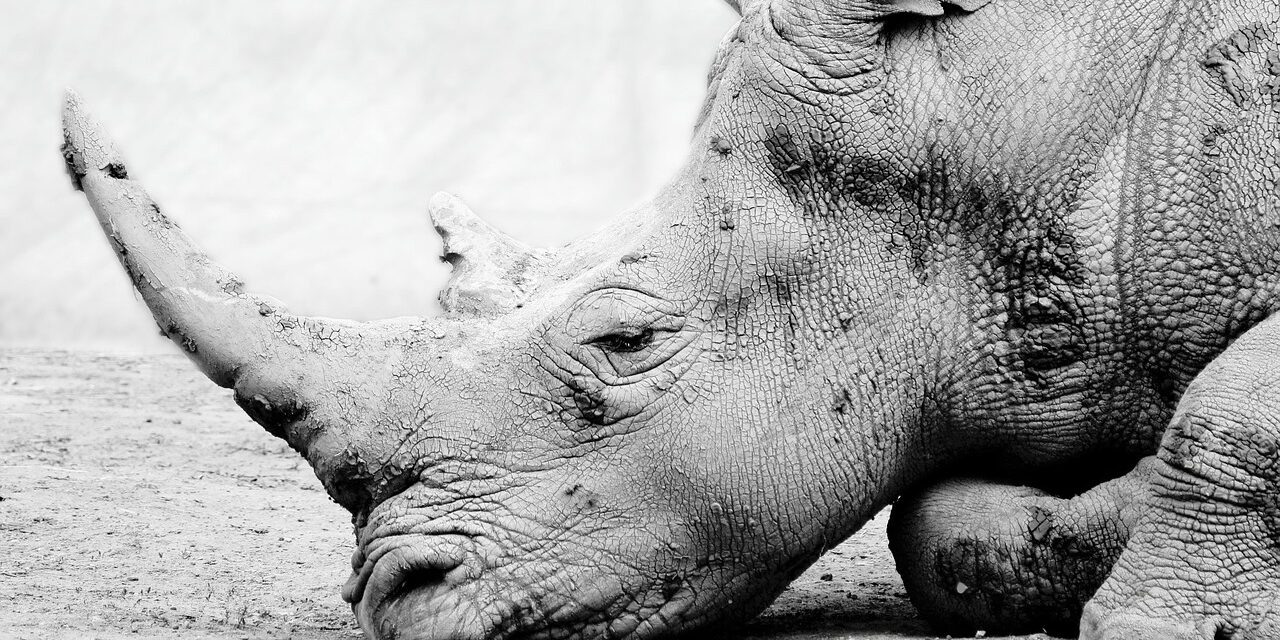
In a breakthrough that has realm of paleontology ablaze and could potentially overhaul existing theories about climate adaptability, scientists have unearthed conclusive evidence of a rhino species inhabiting the Arctic. This discovery was made after studying a well-preserved skull that was found on the Yamal Peninsula, in Russia’s frigid, far north.
The skull, which belongs to an ancestral rhino species formally known as the Siberian unicorn (Elasmotherium sibiricum), was analyzed using radiocarbon dating techniques, revealing that it is approximately 18,000 to 38,500 years old. The finding suggests that rhinos, typically associated with hot, sub-tropical ecosystems, were able to withstand harsh glacial conditions in the Arctic and thrive in ice age environments, challenging pre-existing notions about species adaptability to severe climatic conditions.
One of the remarkable aspects of this finding is the exceptional preservation of the rhino’s skull, including its Siberian unicorn horn. This allowed the researchers to study in detail the physical characteristics of the species, which weighed an estimated 3-5 tonnes and towered at over 2 meters tall.
The discovery, led by Danish scientist Dr. Axel Gottschalk and his team, has attracted considerable attention within the scientific community for its potential to disrupt conventional ecological paradigms. According to Dr. Gottschalk, the existence of a rhino in the Arctic “poses serious questions regarding our understanding of climate adaptability among large mammals. We have strong evidence to suggest that species’ ability to adapt is far more complex than previous assumptions permitted.”
The finding also provides valuable insights into the timeline of the Siberian unicorn’s extinction, which until now, had been a subject of continued debate. Researchers now theorize that its late survival in Russia’s extreme north, where it had migrated due to food resource deprivation, could have potentially collided with the pressure from glacial environments, leading to its extinction.
Meanwhile, the discovery has also sparked heated discussions on how Online coverage of the rhino’s discovery has highlighted its relevance to ongoing reflections on the ability of species to adapt to rapidly changing climates. Numerous online forums and discussion panels have been saturated by the news, with many internet users expressing awe at the rhino’s adaptability and resilience.
In the backdrop of degrading global climate conditions and rising extinction rates, this finding introduces a fresh perspective into understanding species adaptability and resilience. It brings to the fore questions around the capabilities of current animal species to adapt to increasingly unpredictable and harsh climate conditions. It also underscores the need for more extensive paleontological studies to illuminate the mechanisms of adaptability among different animal species, which are subjects of immense relevance to conservation strategies.
According to Laura Youngson, a recognized conservationist and animal rights advocate, “This discovery not only offers new insights into the past but also holds valuable lessons for the future. It begs the question – what else do we, as humans, need to re-evaluate and acclimatize to ensure the survival of our ecosystems and the species within them?”
Overall, the discovery of the Arctic rhino provokes the scientific community and environmental enthusiasts to revisit their understanding of survival and adaptability, questioning the ‘presumed’ limitations of various animal species’ habitats. While research continues, the revelation, at the very least, is a testament to the awe-inspiring resilience of life on Earth.
Original Source: https://www.sciencedaily.com/releases/2026/03/260324024245.htm