Recent developments in Papua New Guinea’s New Ireland highlight a disturbing trend of fish deaths and reported human illnesses, suspected to be linked to the deteriorating quality of coastal waters. Alarmingly, the local population relying on coastal waters for their livelihoods and basic food supply are experiencing adverse health effects, bringing attention to a potentially deeper environmental crisis.
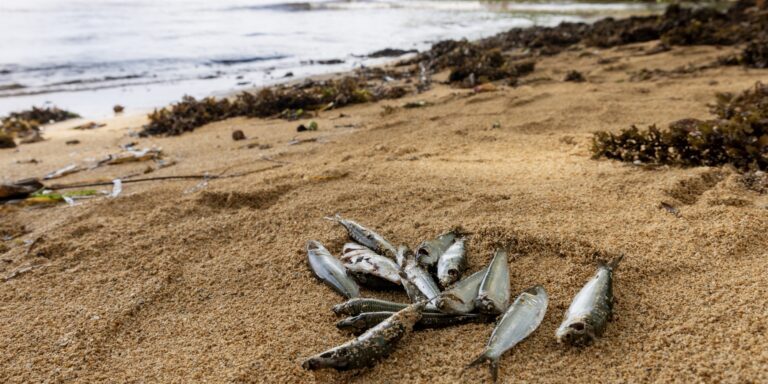
In recent weeks, residents have discovered numerous fish carcasses littering the coastline, sparking significant concerns over the aquatic ecosystem’s health. Health complaints include: gastrointestinal distress, skin rashes, eye irritations, and in severe cases, kidney problems, believed to be associated with consuming these contaminated fish.
Dr. Kila Gulo-Vui, a local health expert from Kavieng district hospital, emphasizes the need for swift action. “This isn’t just an environmental concern. People are getting sick, and we fear the situation could escalate if we don’t identify and tackle the root cause of this.”
Investigations into this matter led by the country’s National Fisheries Authority (NFA), supported by the Pacific Community’s (SPC) scientific research investigators, are ongoing. Preliminary investigations point towards potentially elevated levels of toxic elements in the coastal waters, but results require further testing and confirmation.
The Public Health Department has encouraged residents to avoid consuming local fish until investigations are complete and the consumption safety of the fish can be assured. They have also called on New Ireland’s health clinics to watch out for patients presenting symptoms suggestive of seafood poisoning.
Through online platforms, residents are sharing their experiences and voicing their concerns. “Fishing is our livelihood; if we can’t fish safely, we can’t feed our families,” shared New Ireland resident, Leo Tura, in an online forum.
While this is the first time New Ireland has experienced such a crisis, similar incidents have been reported in Asia and South America, where polluted coastal waters have also led to fish deaths and human illnesses. These international cases highlight the global problem of deteriorating water quality due to human-made pollution, where plastics, agricultural runoff, and industrial waste pose significant threats to marine ecosystems and public health.
These issues echo wider concerns about climate change, ocean acidification, and environmental management, particularly for island nations like Papua New Guinea. Here, coastal communities heavily rely on healthy marine ecosystems for sustenance, livelihoods, and cultural preservation.
In the meantime, New Ireland residents are hoping for more assistance to tide over this crisis. Local fisherman, Peter Soalao shared, “If we can’t fish safely, we need support in other ways to sustain our families.”
The NFA and the SPC assure that they are working relentlessly to identify the cause of the situation and put in place effective remedial measures. Partnerships with international marine science bodies to speed up the investigation are being considered, while talks with the central government and international donors for immediate food aid and long-term alternative livelihood support for affected communities are ongoing.
Janet Hapa, the NFA’s representative on the ground, asserts, “We understand the urgency and the potential long-term impacts of this situation both for our marine life and our people. We are pulling all resources to address this. Help is coming, patience is requested.”
The situation in New Ireland sheds light on the interconnectedness of the environment, public health, livelihoods, and food security. It calls for proactive measures and strong partnerships among countries, especially Pacific nations, to address threats to the ocean’s ecosystems better and more effectively.
As the world pays closer attention to the crisis unfolding in New Ireland, the fate of the island and its residents remains to unfold. The coming days and weeks will undoubtedly shed more light on this alarming issue.
Original Source: https://news.mongabay.com/2026/03/pngs-new-ireland-coastal-waters-causing-fish-deaths-human-sickness/