Key details
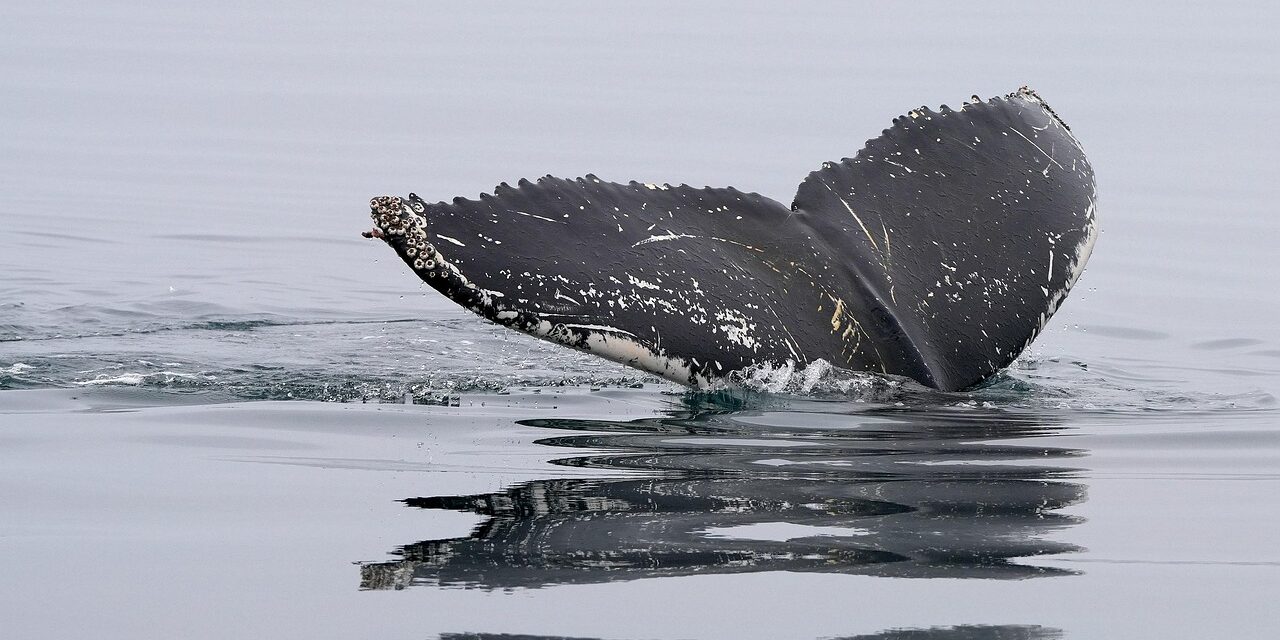
Recent observations of a humpback whale mother off the coast of Alaska have revealed potentially profound behaviors that suggest a grieving process for her deceased calf. Marine biologists witnessed the mother persistently staying close to her calf’s body for several days, exhibiting behaviors often associated with mourning. This includes bolstering her calf’s remains to the surface and remaining in the vicinity, despite attempts to drive her away by other marine animals and boats in the area. The incident has sparked discussions among researchers concerning the emotional lives of marine mammals.
Experts studying whale behavior note that the bond between a mother and her calf is significant. In biologically rich environments, such as the waters off Alaska, a calf’s death presents not only immediate emotional distress for the mother but also raises questions about the long-term impacts on her social behavior and future reproductive health. The length of mourning displayed by this humpback whale highlights the complex emotional world of these marine creatures, suggesting that grief may not be exclusive to terrestrial animals.
Why this matters
This incident underlines the growing acknowledgment of cetaceans’ emotional capabilities, increasingly informing conservation efforts geared toward humpback whales and similar species. As the pressures of climate change, shipping routes, and fishing activities escalate, understanding the social structures and emotional responses of whales becomes critical. Recognition of their potential for grief can pave the way for more thoughtful wildlife management strategies that take into account the psychological and social needs of these animals.
Moreover, the behaviors exhibited by the mother humpback have implications for public understanding and perceptions of marine life. As more people become aware of social bonds and emotional depth within whale populations, there may be heightened public support for protective measures and conservation initiatives.
Broader picture
The case of the grieving humpback whale mother is part of a broader narrative concerning the emotional intelligence of marine mammals, including species such as dolphins and orcas. Recent research has indicated that these animals engage in complex social patterns and display a level of awareness that invites comparisons with human emotional experiences. The acknowledgment of grief in such animals may stimulate further studies and increase empathy towards marine wildlife, encouraging actions to mitigate human impact on their populations.
As the marine environment faces unprecedented challenges, understanding the emotional dynamics among whales enhances the dialogue surrounding their conservation. Acknowledging the complex lives and experiences of these creatures may influence legislation and policy formulation designed to protect marine ecosystems and the animals that inhabit them. Ultimately, the episode of the mourning humpback whale is a poignant reminder of the deep connections that exist in the natural world, urging us to reconsider our role as stewards of these majestic beings.
Original Source: https://www.sciencedaily.com/releases/2026/09/260921081050.htm