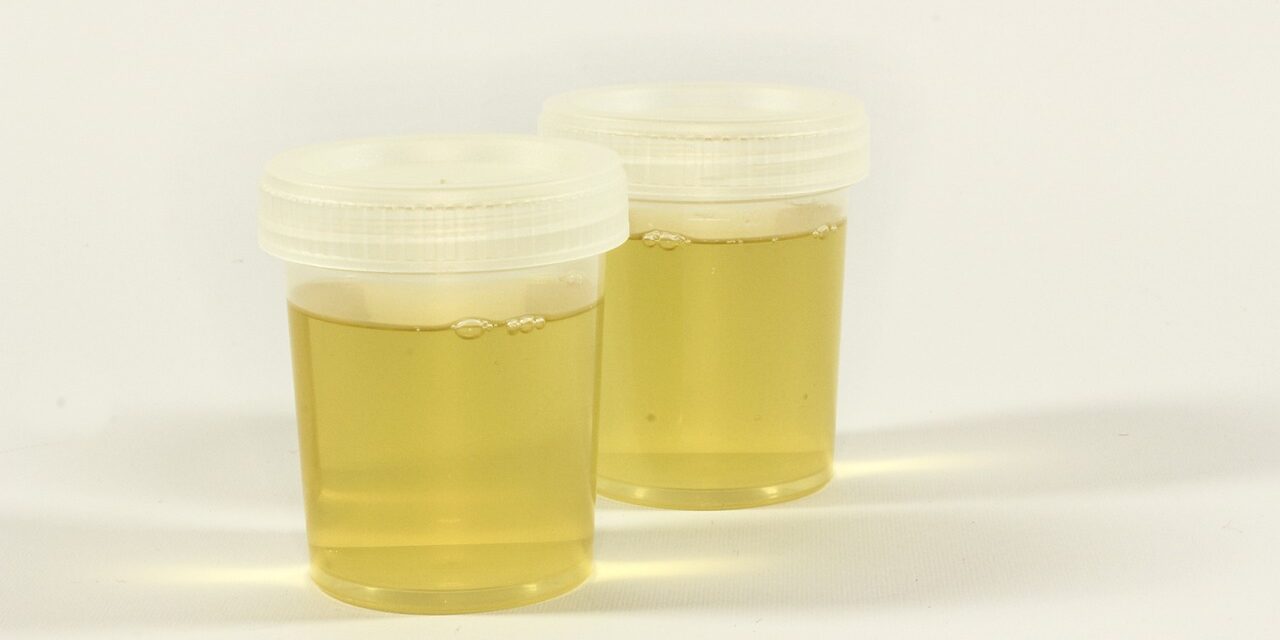
In a remarkable scientific breakthrough, researchers have identified what they are calling a “hidden ID card” in cat urine. This discovery sheds light on new ways to understand feline health and behavior, potentially improving veterinary diagnostics and animal welfare.
Latest developments
Recent studies led by a team at the University of Edinburgh revealed that the urine of domestic cats contains specific microbial signatures that can effectively serve as a biological identifier for health status. These microbial fingerprints are unique to each cat and are influenced by factors such as diet, environment, and genetics. The team’s findings, published in the journal ‘Nature Microbiology’, have generated significant excitement within the scientific community.
By analyzing the microbial composition of cat urine, the researchers demonstrated that these patterns could indicate the presence of various health issues, including kidney disease and urinary tract infections. This innovative approach could transform how veterinarians diagnose and treat feline ailments, with the potential for early intervention and personalized care.
Background and context
The study of animal urine is not a new concept; however, previous research primarily focused on detecting individual pathogens or chemical markers. The discovery that the microbiome within urine can provide a comprehensive view of a cat’s health is a novel advancement. Traditionally, diagnosing health problems in cats has relied on invasive procedures, such as blood tests or biopsies, which can be stressful for both the animal and the owner.
Cats, unlike dogs, often mask signs of illness, which can complicate early detection. Therefore, the ability to glean health insights from a non-invasive sample like urine can significantly enhance veterinary practice. The researchers believe that this newfound understanding could lead to better health monitoring and management practices, allowing for interventions to be implemented before conditions become critical.
What to watch next
As the scientific community continues to explore the implications of this discovery, further studies will likely focus on the clinical application of the microbial profiling techniques. Researchers hope to validate these findings through larger clinical trials and potentially introduce diagnostic tools that utilize this novel approach in veterinary settings.
The possibility of creating an easy-to-use kit for cat owners to monitor their pets’ health at home could be a game-changer in pet care. Additionally, this research prompts questions about whether similar “ID cards” could be found in urine samples from other animals, paving the way for broader applications in veterinary medicine and animal health.
This exciting development not only highlights an innovative method for understanding feline health but also underscores the need for continued research into animal microbiomes. As scientists delve deeper into these microbial ecosystems, the potential to unlock further secrets of animal health and behavior expands.
Original Source: https://www.sciencedaily.com/releases/2026/09/260919031033.htm