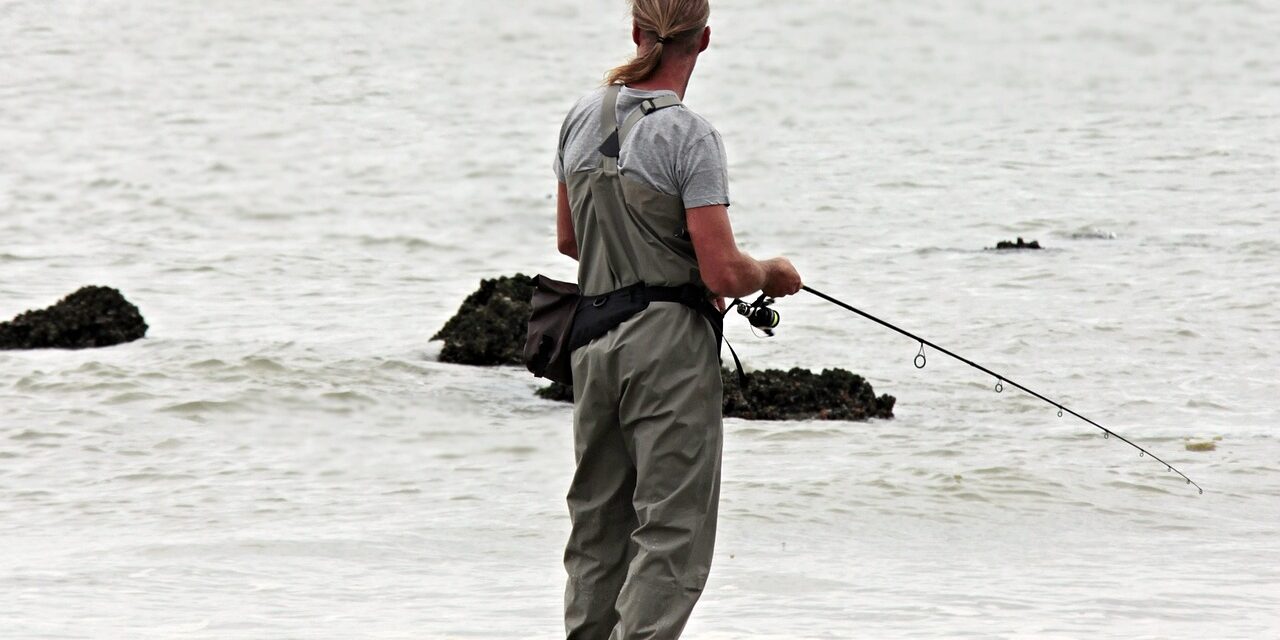
Initiatives aimed at increasing female participation in recreational fishing across New South Wales (NSW) are gaining momentum, underscoring a significant shift in a traditionally male-dominated activity. Several organizations have recently launched programs tailored to empower women and create inclusive environments in fishing communities.
Key details
Recent statistics indicate that while overall participation in recreational fishing in NSW is substantial, women represent only about 29% of the fishing community. In response, local governments, non-profits, and fishing clubs have begun emphasizing programs that specifically target women. Initiatives include workshops, fishing clinics, and mentorship programs designed to equip women with the necessary skills and confidence to enjoy recreational fishing.
Projects such as ‘Women on Water’ and collaborations with organizations like the NSW Department of Primary Industries are providing platforms where women can learn essential fishing techniques in supportive environments. These programs not only focus on the technical aspects of fishing but also aim to foster community among participants, creating networks that encourage ongoing engagement in the sport.
Why this matters
The promotion of female involvement in recreational fishing is notable for several reasons. Firstly, it directly challenges longstanding gender norms associated with outdoor sports and fishing, providing women with equal access to an activity that has historically been male-dominated. Additionally, increased female participation can lead to diverse perspectives within fishing communities, enriching conversations about sustainability, conservation, and fishery management.
Moreover, enhancing women’s roles in recreational fishing aligns with broader public health goals. Fishing is known to offer numerous mental and physical health benefits, including stress relief and improved physical fitness. By encouraging women to engage in fishing, these initiatives contribute not only to personal well-being but also to family bonding, as many women bring their children into the activity.
Broader picture
Looking beyond immediate initiatives, the shift towards supporting women in recreational fishing intersects with wider social movements advocating for gender equality. As society strives to dismantle barriers that limit women’s roles in various fields, the fishing community is becoming a vibrant example of progress. Programs aimed at women are not merely about fishing; they reflect a cultural shift in how leisure activities can be enjoyed by all, irrespective of gender.
Furthermore, the proliferation of these initiatives may influence environmental stewardship within the fishing sector. With greater representation in decision-making processes and community regulations, women can advocate for responsible and sustainable fishing practices that account for ecological health and community needs.
In summary, the focus on women in recreational fishing across NSW is more than a simple inclusion strategy. It encapsulates a broader narrative about changing societal norms around gender and recreation while advancing public health and environmental stewardship. As these programs continue to grow, they have the potential not only to enrich the fishing culture in NSW but also to contribute significantly to the movement for gender equality in all aspects of life.