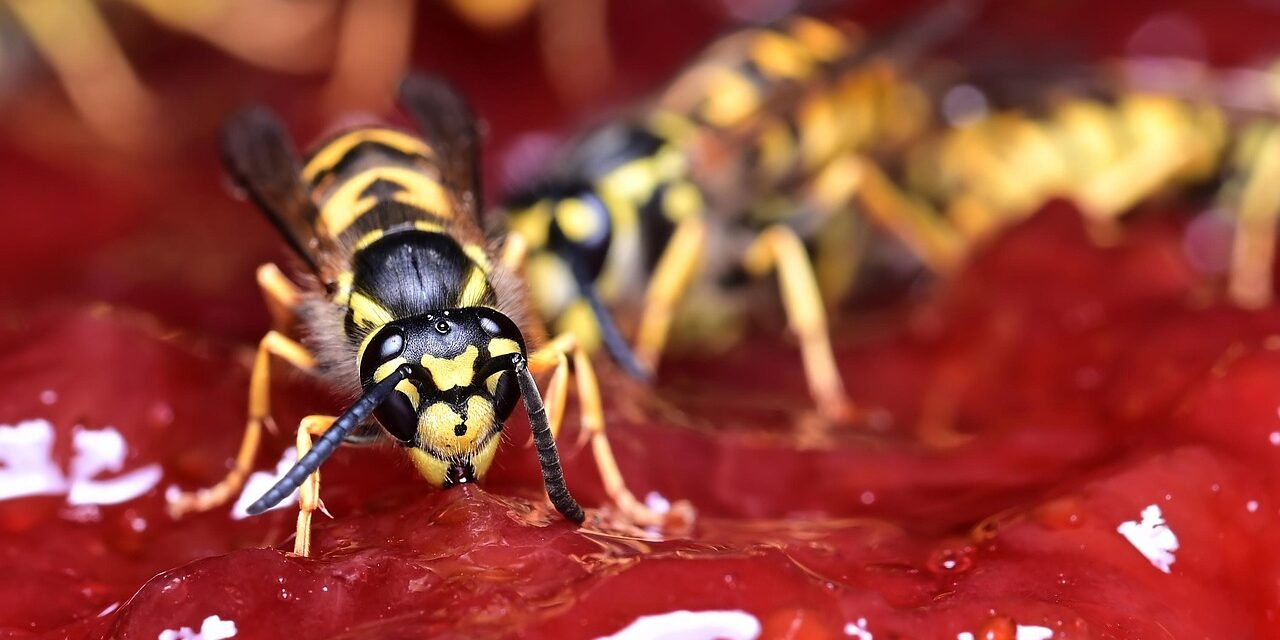
Summer is usually a busy season for wasps, but this year, scientists report a significant decline in their populations. This trend raises concerns as wasps play a crucial role in our ecosystems, affecting everything from pollination to pest control.
What happened
Entomologists across various regions have observed a worrying decrease in wasp numbers as summer progresses. Preliminary data suggest that populations are down by as much as 50% compared to previous years. While it is typical for wasps to fluctuate seasonally, the current drop is far more pronounced than usual.
A number of factors may contribute to this decline. Changes in climate patterns, particularly warmer winters, can disrupt their life cycles. Furthermore, habitat loss due to urban development and agricultural practices has a negative impact on the environmental conditions wasps thrive in. Pesticide use also plays a critical role; many insecticides intended for pest control can unintentionally harm beneficial wasps.
What it means for readers
The implications of the decline in wasp populations are significant. Wasps are often misunderstood as nuisances. However, they are vital for maintaining the balance in ecosystems. Acting as predators, wasps control the populations of pests such as caterpillars and aphids, which in turn benefits gardeners and farmers.
Additionally, certain species of wasps are known pollinators. They facilitate the reproduction of various plants by transferring pollen, contributing to food production. Their absence could lead to increased pest populations, which can harm crops and lead to larger agricultural challenges. In essence, fewer wasps could have a domino effect on local ecosystems and agriculture.
What happens now
In light of these concerns, scientists advocate for increased public awareness and action. Monitoring wasp populations is essential, and entomologists are calling for citizen involvement in reporting wasp sightings. Programs aimed at creating supportive environments for wasps, such as maintaining wildflowers and reducing pesticide use, are being encouraged.
Farmers and gardeners are also urged to explore integrated pest management techniques that focus on enhancing ecosystems rather than solely relying on chemical solutions. By fostering biodiversity, we can not only protect wasps but also bolster the resilience of our agricultural systems.
The decline in wasp populations this summer serves as a wake-up call. By recognizing their critical role in the ecosystem and taking conscious steps to protect them, we can help ensure a balanced environment for future generations. The concerted efforts of both scientists and the public will be key to reversing this troubling trend and preserving the ecological benefits that wasps provide.
Original Source: https://www.sciencedaily.com/releases/2026/09/260911003901.htm