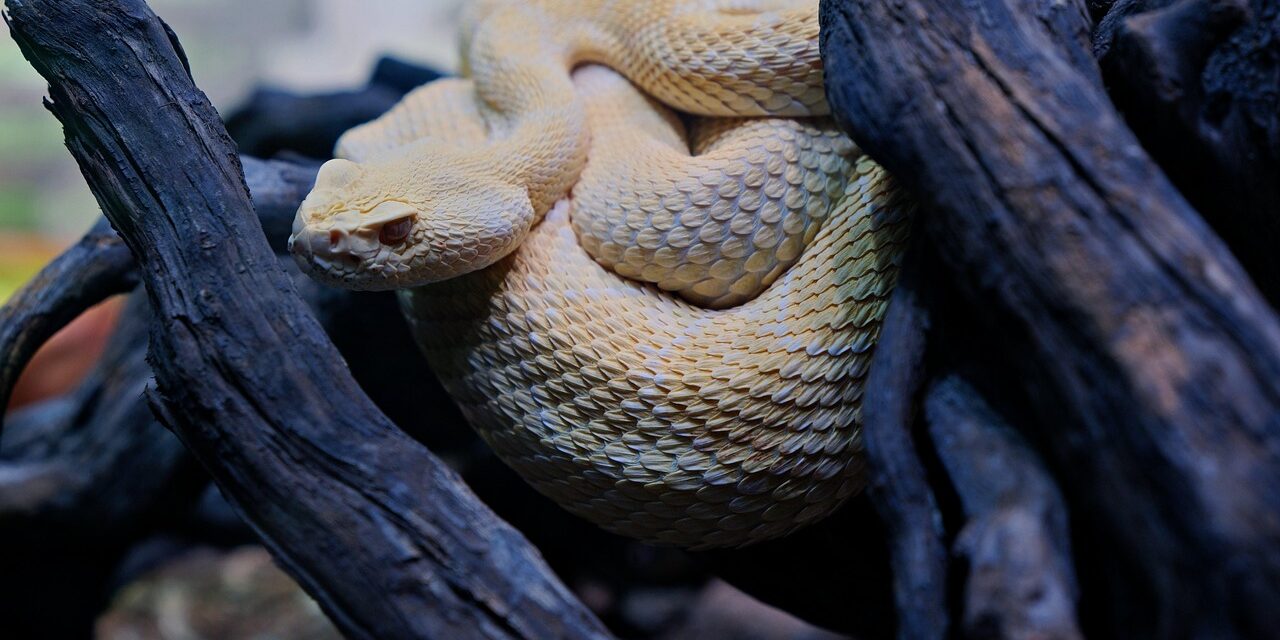
In a groundbreaking announcement, researchers at the University of Arizona have revealed a potent new antivenom derived from the blood of rattlesnakes. This discovery has the potential to revolutionize treatment for venomous snake bites, providing hope to countless individuals living in areas where snake encounters are common. The study sheds light on the complex biology of rattlesnakes and opens new avenues in antivenom development.
The latest turn
The announcement, made last week at a scientific conference, detailed how the team utilized advanced genomic sequencing techniques to analyze the blood of several rattlesnake species. During their research, they identified a unique set of proteins and peptides that exhibited strong neutralizing effects against snake venom.
Initial tests showcased the antivenom’s effectiveness in laboratory settings. When administered to mice injected with venom, those treated with the new antivenom demonstrated significantly increased survival rates. The results have prompted researchers to expedite plans for clinical trials in humans, aiming to confirm its efficacy and safety.
How the story got here
This discovery is the culmination of years of research into venom resistance found in various snake species. Rattlesnakes, specifically, possess a fascinating biological mechanism that allows them to produce antibodies against their own venom, which piqued the interest of immunologists.
Previous studies had already shown promise in utilizing snake blood for antivenom production, but this new approach focuses on identifying and isolating the most effective components. The shift towards a more targeted method may lead to a more potent and speedy treatment option compared to traditionally produced antivenoms, which often involve complex manufacturing processes and can take years to develop.
Researchers also noted that this antivenom could be adapted for use against other types of venom as well, making it a versatile tool in the fight against snakebite fatalities, which claim tens of thousands of lives each year globally. As the global health community focuses on snakebite as a neglected tropical disease, this discovery arrives at a critical juncture.
Next expected developments
As the team prepares for human clinical trials, they are gathering the necessary regulatory approvals and funding. The next few months will be crucial in determining how quickly this promising antivenom can advance to widespread use. Researchers are optimistic about starting Phase I trials within the next year, where they will assess the antivenom’s safety and dosage levels in volunteers.
If successful, the project could pave the way for more innovative treatments for snake bites, potentially saving lives and addressing a significant public health issue. As scientists continue their work, the focus will remain not only on fine-tuning this new antivenom but also on exploring its implications for venom research in general.
In the wake of this remarkable discovery, the medical community is watching closely, eager to learn whether this new antivenom can indeed fulfill its promise as a life-saving breakthrough against one of nature’s most lethal threats.
Original Source: https://www.sciencedaily.com/releases/2026/09/260907201605.htm