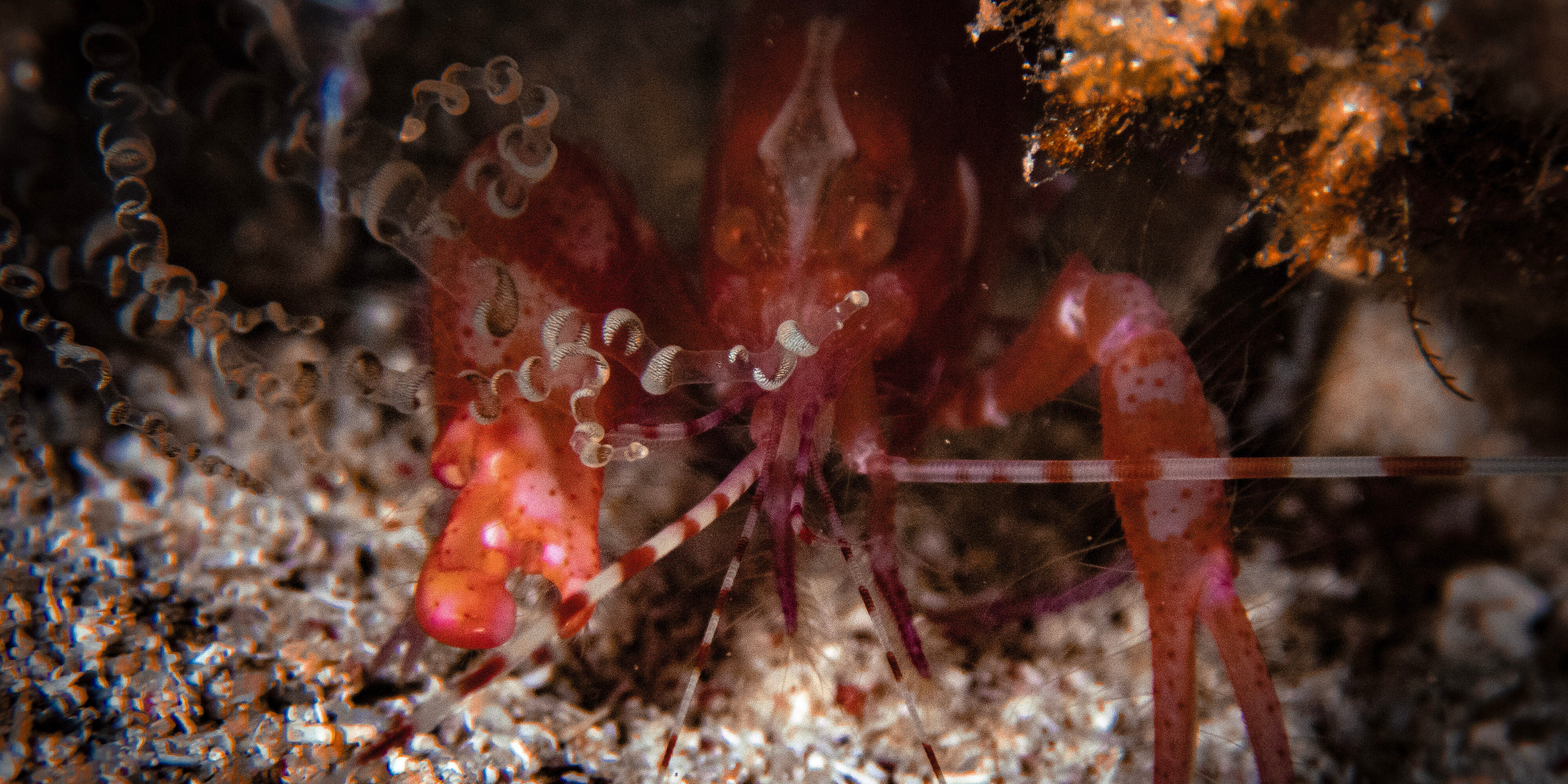
A recent study has unveiled that a lesser-known species of pistol shrimp, Alpheus estuariensis, plays a pivotal role in maintaining the health of coral reef ecosystems, potentially redefining our understanding of reef biodiversity and its intricate food webs. This research, led by marine biologists at the University of Southern California, provides fresh insights into the symbiotic relationships between these shrimps and various reef-dwelling organisms, emphasizing their contributions beyond what has previously been acknowledged.
What happened
Published in the journal Marine Biology, the study focused on the interactions between Alpheus estuariensis and other reef inhabitants, particularly corals and small fish. Researchers observed that these shrimps create and maintain burrows in the sediment, which serve as shelters for juvenile fish, thereby enhancing their survival rates. Furthermore, the burrows contribute to the structural integrity of the reef by providing a substrate that promotes coral attachment and growth.
Field studies conducted in tropical regions, especially in areas around the Caribbean, highlighted this shrimp species’ role in facilitating nutrient cycling, which ultimately supports the entire reef ecosystem. By aerating the sediment and redistributing organic material, Alpheus estuariensis aids in enhancing oxygen penetration in the substrate, fostering healthier coral environments.
Why it matters
This finding is significant given the ongoing threats facing coral reefs, including climate change, ocean acidification, and nutrient pollution. Coral reefs are essential for biodiversity, coastal protection, and fisheries. The previously underappreciated role of Alpheus estuariensis suggests that preserving these shrimps could be vital for reef conservation strategies. As researchers call for more attention to the intricate relationships between crustaceans and corals, there’s a growing understanding that protecting biodiversity at all levels is crucial for the resilience of marine ecosystems.
Additionally, this study highlights the need for a broader perspective on marine conservation. Many conservation efforts tend to focus on larger, more charismatic species, potentially overlooking the smaller organisms that play critical roles in ecological balance. Recognizing the importance of microhabitats that these shrimps create could lead to more comprehensive management policies aimed at conserving coral reefs.
What comes next
The immediate outlook points to an increased emphasis on further research into the roles of various lesser-known species within reef ecosystems. Future studies may explore the potential impacts of habitat loss and environmental changes on shrimp populations and their associated benefits to corals. Conservationists and marine biologists are likely to advocate for more integrated approaches to reef management that consider all levels of the ecosystem, not just the flagship species.
Moreover, as coral reefs face mounting pressures globally, understanding and preserving the myriad relationships within these habitats becomes crucial. Continued exploration and recognition of players such as Alpheus estuariensis can inform policies that enhance both marine biodiversity and the resilience of coral ecosystems in an uncertain future. The next steps will be vital for establishing conservation frameworks that encompass both prominent and overlooked species alike.
Original Source: https://reefs.com/the-other-pistol-shrimp-for-reefs/