Background and context
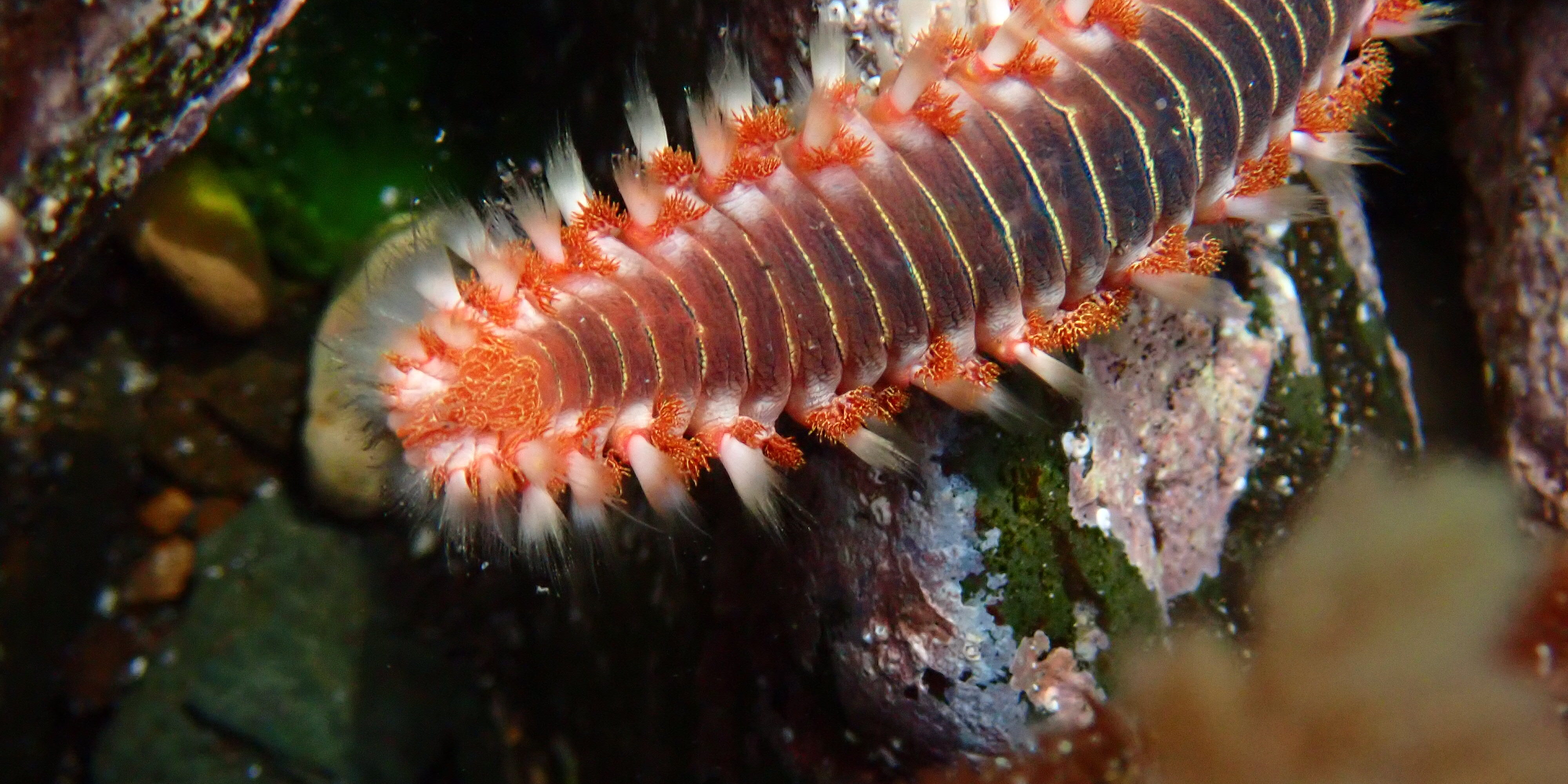
The Bearded Fireworm (Hermodice carunculata) is an intriguing marine creature that plays a critical role in reef ecosystems. Commonly found in warm waters across the Atlantic Ocean and the Caribbean Sea, this segmented worm is characterized by its bright red bristles and distinctive beard-like appendages. While they might resemble something out of a sci-fi movie, these organisms are essential for maintaining the health of coral reefs.
As a member of the polychaete class of annelids, Bearded Fireworms are scavengers. They consume organic matter and algae, helping to recycle nutrients within their ecosystem. The bristles that give them their name contain tiny, stinging cells that serve as a defense mechanism against potential predators. While encounters with humans can result in painful, burning sensations, the overall ecological advantages of these creatures far outweigh their intimidating appearance.
Latest developments
Recent research has highlighted the growing importance of Bearded Fireworms in the face of declining reef health due to climate change and pollution. Marine biologists have observed these worms exhibiting resilient behaviors, particularly in vibrantly colored coral communities. Their propensity to thrive in changing conditions could signify an adaptive response, leading scientists to investigate their complex relationship with a variety of reef inhabitants.
In a noteworthy study released earlier this year, researchers showed that Bearded Fireworms are capable of sustaining their populations even as temperatures rise. This resilience hints at their potential as bioindicators for monitoring reef health. Their presence may provide insights into the effectiveness of conservation efforts aimed at protecting vulnerable coral populations.
Moreover, local communities have begun to recognize the ecological significance of the Bearded Fireworm, leading to initiatives that educate fishermen and divers about their role in the marine ecosystem. By fostering a greater understanding of these organisms, communities hope to implement sustainable practices that protect not only the Bearded Fireworm but also the complex web of life within coral reefs.
What to watch next
Looking forward, the ongoing research surrounding the Bearded Fireworm presents several directions for future investigation, particularly in relation to climate resilience. Scientists aim to further explore how these worms impact reef recovery and their relationships with algae and other benthic organisms. Key questions remain about their natural enemies, breeding habits, and how they respond to varying environmental pressures, such as ocean acidification.
Additionally, as efforts to restore coral reefs become more prevalent, the inclusion of Bearded Fireworms in ecological assessments may provide a new lens through which to view marine health. Researchers will likely monitor their populations closely to understand the ramifications of both climate change and human impacts on marine ecosystems.
Ultimately, the Bearded Fireworm symbolizes the intricate interdependencies within coral reef habitats. Protecting these organisms is essential for the larger conservation efforts aiming to restore and maintain the vibrancy of our oceans, providing hope for future generations and the fragile ecosystems they house.
Original Source: https://reefs.com/meet-the-bearded-fireworm-for-reefs/