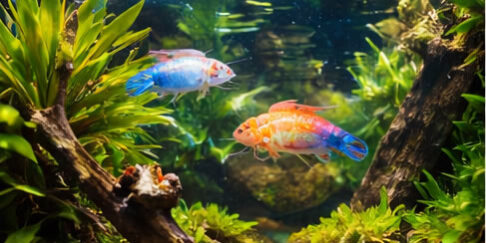
The care requirements for Red and Black Phantom Tetras have come under renewed focus recently, as more aquarists seek to understand how to successfully maintain them in home tanks. As their popularity surges, new insights into their housing, dietary needs, and social behavior are crucial for both novice and experienced fish enthusiasts alike.
The latest turn
Recent discussions among aquarium communities have highlighted optimal setups for Red and Black Phantom Tetras, stressing the importance of providing well-maintained aquatic environments that mimic their natural habitats. Parameters such as water temperature, quality, and pH balance are critical, with many aquarium experts recommending a temperature range of 22-28°C (72-82°F) and a slightly acidic to neutral pH, around 6.0 to 7.5.
In terms of tank size, it’s generally advised to provide at least a 20-gallon aquarium, particularly since these fish thrive in schools of six or more. A larger tank not only accommodates their social nature but also promotes healthier conditions by minimizing stress caused by overcrowding. Enhanced filtration and regular maintenance are also emphasized to maintain optimal water conditions, ensuring a vibrant and thriving school of tetras.
How the story got here
The Red and Black Phantom Tetra, known scientifically as Hyphessobrycon sweglesi, is native to the Amazon Basin, where it inhabits slow-moving streams and flooded regions. These fish are known for their striking appearance; the males possess rich, dark hues contrasted by bright red accents. Over the years, aquarists have celebrated their beauty and relative hardiness, but maintaining their health can be challenging without proper guidance.
Discussions within online forums and social media groups have brought forth collective experiences from hobbyists around the world. From first-hand accounts, it has become evident that a well-planted aquarium with plenty of hiding spaces contributes significantly to the fish’s well-being. Floating plants can help create a cover that mimics their natural environment, which is beneficial for their comfort and reduces stress, especially during the initial acclimatization period.
Feeding habits of Phantom Tetras have also garnered attention. While they are omnivorous and accept a variety of food sources, a balanced diet incorporating high-quality flakes, pellets, and occasional live or frozen foods such as brine shrimp or daphnia helps to promote vibrant colors and robust health. This balanced approach has promoted a more engaged and inquisitive fish, enhancing the overall aquarium experience.
Next expected developments
Looking ahead, continued research into the care requirements for Red and Black Phantom Tetras is expected. As their popularity rises, there may be more advances in commercial products tailored to their specific needs, including specialized foods and aquarium kit solutions. Additionally, community-driven initiatives may lead to increased availability of captive-bred specimens, contributing to conservation efforts while making these beautiful fish accessible to more hobbyists.
Meanwhile, the dialogue among fish enthusiasts continues to evolve, with experts reaching out to provide guidance on preventing common ailments and improving tank setups. As the insights continue to unfold, prospective and current owners of Red and Black Phantom Tetras have a wealth of resources to look forward to, ensuring a thriving aquatic community.
Original Source: https://www.aquariumcoop.com/blogs/aquarium/red-and-black-phantom-tetras