Key details
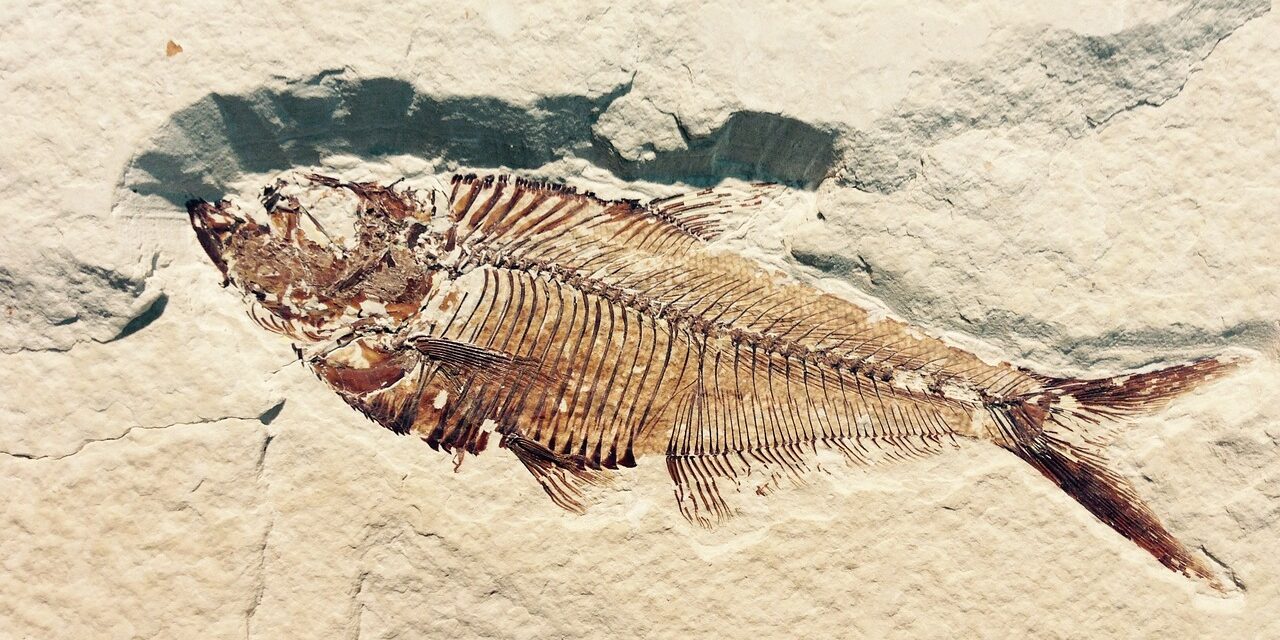
Researchers have uncovered a remarkable fossil dating back 236 million years, which has begun to shift our understanding of the evolutionary history of mammalian reproduction. Discovered in rocks in South Africa, this ancient specimen belonged to a group of early synapsids, known as therapsids, which are the distant relatives of modern mammals. The well-preserved fossil displays clear indications of live birth, a trait once thought to have developed much later in the evolutionary timeline.
The fossil provides evidence of fetuses within the mother’s body, an extraordinary glimpse into the reproductive biology of ancient creatures. This finding suggests that live birth could have originated far earlier than previously known and challenges existing theories about how reproductive strategies evolved in mammals. The fossil offers a fascinating look at the complexities of gestation and underscores the adaptations that may have occurred in response to environmental pressures.
Why this matters
The implications of this discovery are far-reaching, particularly for our understanding of the evolution of reproductive strategies in vertebrates. Previously, it was believed that egg-laying was the dominant form of reproduction among early synapsids. However, this fossil suggests that live-bearing capabilities emerged much earlier than the dominant narrative suggested.
This evidence stands to reshape the framework within which paleontologists and evolutionary biologists operate, as it opens up new lines of inquiry regarding the ecological and biological factors that shaped the path toward live birth in mammals. Understanding how and when these reproductive adaptations occurred can lead to insights about early mammalian evolution and the environmental challenges that spurred such significant changes.
Moreover, the discovery raises questions about the reproductive strategies of other prehistoric creatures, potentially prompting a reevaluation of the evolutionary timeline across various lineages. As researchers delve deeper into the implications of these findings, they may well uncover a more intricate web of interactions between organisms and their environments than previously thought.
Broader picture
This fossil discovery is part of a growing trend in paleontological research aimed at uncovering the complex narrative of mammalian evolution. As scientists analyze ancient remains with new technologies and methodologies, more unexpected revelations are surfacing, suggesting that the history of life on Earth is far more dynamic than once believed.
In a broader context, the study of such fossils not only informs our understanding of evolution but also highlights the resilience and adaptability of life forms in the face of changing conditions. As research continues to unveil the intricacies of reproduction in prehistoric life, it reinforces the idea that the tree of life is marked by a series of adaptations to survive in ever-evolving environments.
As we consider the implications of the 236-million-year-old fossil, it serves as a reminder: each finding brings us one step closer to understanding the complexities of life on Earth and the evolutionary forces that have shaped it. The evolution of reproductive strategies, while central to the story of mammals, also reflects the broader narratives of survival and adaptation that define all organisms.
Original Source: https://www.sciencedaily.com/releases/2026/08/260813045534.htm