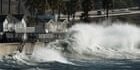
Climate scientists are issuing warnings that the emergence of a ‘Super El Niño’ could result in an exceptionally wet winter for the western United States, raising concerns about potential flooding and other severe weather-related impacts. The National Oceanic and Atmospheric Administration (NOAA) reported an increase in sea surface temperatures in the central and eastern Pacific Ocean, signaling the strengthening of this weather phenomenon.
What happened
The most recent data from NOAA indicates a significant rise in ocean temperatures, which play a crucial role in the development of El Niño. This particular episode has been classified as ‘Super’ due to its intensity, which could result in atmospheric conditions supporting stronger precipitation patterns across the southwestern region of the U.S. Historical precedence shows that such events often lead to wetter-than-average winters, particularly in states like California and Nevada.
As of now, the current winter season is predicted to be affected strongly by this pattern, with forecasts suggesting above-normal rainfall. In prior Super El Niño years, such as in 1982-83 and 1997-98, the western U.S. experienced significant moisture, leading to both beneficial agricultural effects and some severe flooding events.
Why it matters
This potential for increased precipitation carries both beneficial and adverse implications. On one hand, a wetter than normal winter could alleviate drought conditions in areas that have been parched for years, particularly in California. Water reserves would likely improve, supporting agriculture and replenishing reservoirs. Conversely, the heightened likelihood of flooding brings risks that communities must prepare for, especially in regions with vulnerable infrastructure.
As the government and emergency services brace for what could be an impactful winter, officials emphasize the need for proactive measures. Flooding can disrupt transportation, displace populations, and lead to property damage. Recent studies also indicate that more extreme weather events may correlate with climate change, raising further concerns about future impacts of similar patterns.
What comes next
As meteorologists continue monitoring ocean temperatures, they will provide regular updates on the expected trajectory of this Super El Niño. Residents in the western U.S. are urged to stay informed, as the usual winter storm patterns may become more unpredictable. Preparedness plans should not only consider the possibility of flooding but also the likelihood of heavy snowfall in higher elevations that could melt rapidly.
The immediate outlook will focus on the evolution of this Super El Niño and how it interacts with other climatic factors. Local authorities and climate scientists will be examining precipitation models closely over the coming weeks to better predict how this anomaly could shape winter weather. Community meetings and resources for personal preparedness are expected to be rolled out as the situation develops, highlighting the importance of adapting to these projected changes.
Original Source: https://www.theguardian.com/us-news/2026/aug/08/super-el-nino-winter-flooding