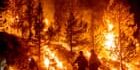
As a relentless heatwave envelops the western United States, communities are bracing for an increased risk of hazardous fire conditions. The National Weather Service has issued warnings for elevated temperatures and excessive heat across various states, prompting immediate concern among residents, officials, and industry leaders focused on fire prevention and emergency response.
Immediate reaction
In response to the extreme heat, states such as California, Arizona, and Nevada have activated emergency protocols aimed at protecting vulnerable areas. Local governments are encouraging residents to take precautions and stay indoors during the hottest hours. Fire crews are on heightened alert, with personnel and resources strategically positioned in fire-prone regions. Communities are witnessing a surge in preparation, as many stock up on emergency supplies and develop fire evac plans.
The agriculture sector is feeling the impact as well, with farmers expressing anxiety over potential crop damage and soil dehydration. Many are adjusting irrigation schedules to mitigate heat-related stress on their crops, aware that prolonged heat could lead to a cascade of issues, from reduced yields to increased pest activity.
What triggered the move
Scientists link the current heatwave to a confluence of climatic factors, primarily exacerbated by ongoing climate change. Abnormally high temperatures have been recorded, with some areas experiencing triple-digit highs that are unusual even for summer. The combination of rising temperatures and dry conditions has created a breeding ground for wildfires.
Furthermore, the region’s vegetation, already stressed from previous years of drought, is particularly susceptible. The concerns raised by climatologists stress that these heatwaves are not isolated incidents but rather part of a larger trend influenced by global warming, which increases both the frequency and intensity of heat events.
Why readers should care
The implications of this heatwave extend beyond immediate fire risks. Wildfires not only threaten lives and property but also contribute significantly to air quality issues, which can have detrimental effects on community health. Smoke from wildfires can affect air quality hundreds of miles away, worsening respiratory conditions and putting vulnerable populations at greater risk.
Moreover, ongoing heatwaves and wildfires can severely impact local economies, especially in a region where tourism, agriculture, and outdoor recreational activities are central to livelihoods. As the summer continues, industries are likely to experience disruptions due to both physical damage from fires and reduced tourist activity in affected areas.
In the short term, residents may find themselves facing power outages due to increased energy demands from air conditioning, while emergency services anticipate a busy season ahead. The interplay of soaring temperatures and fire risks is a stark reminder of the changing climate’s impacts, urging communities, policymakers, and individuals to seek sustainable solutions and preparedness as conditions evolve.
Original Source: https://www.theguardian.com/us-news/2026/aug/01/heatwave-us-west-hazardous-fire-conditions