Key details
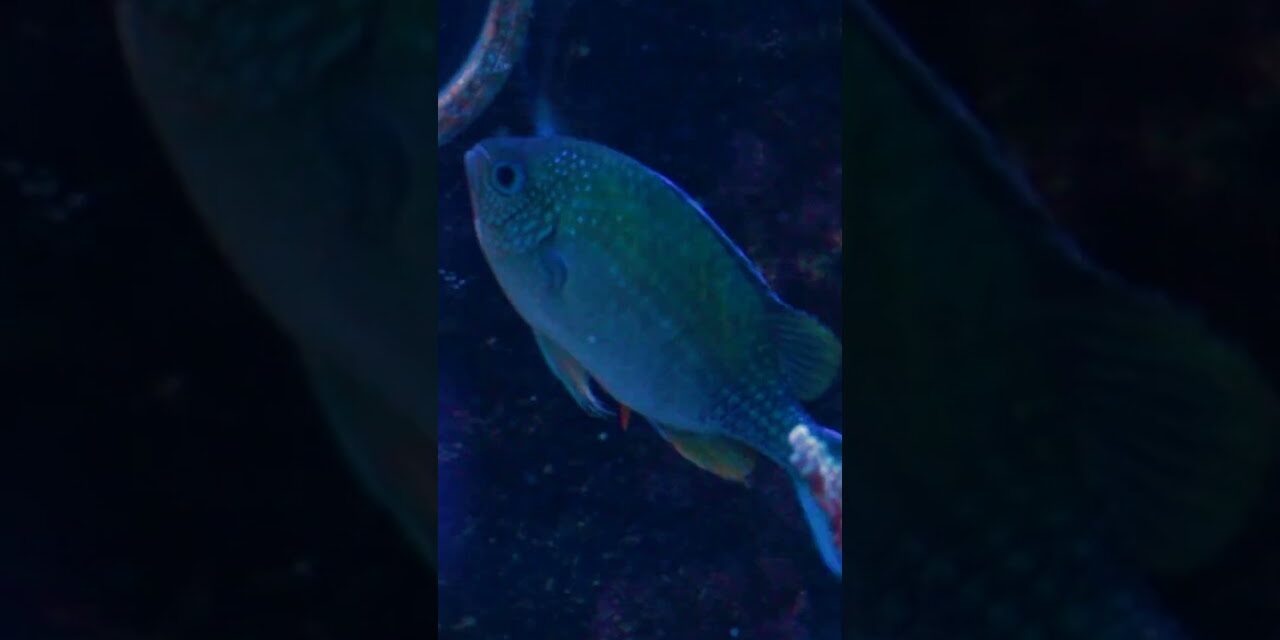
Recent observations have provided new insights into the spawning behaviors of the Green Chromis (Chromis viridis), a small reef fish native to the Indo-Pacific region. Researchers have noted that these resilient fish engage in synchronized spawning events during specific lunar phases, particularly around the full moon. Notably, males prepare nesting sites by cleaning the substrate and aerating the eggs, showcasing complex social interactions and reproductive strategies. This spawning event typically occurs in shallow waters, where the eggs are laid and fertilized in a protective environment provided by the natural habitat.
The success of spawning is crucial for the sustainability of Green Chromis populations, particularly as many marine species face increasing threats from habitat destruction and climate change. The timing of their reproductive cycles, linked to lunar cycles, suggests that these fish have adapted to optimize survival rates for their offspring.
Why this matters
Understanding the spawning behavior of the Green Chromis is vital for several reasons. First and foremost, it can inform conservation efforts aimed at preserving coral reef ecosystems. These fish play a significant role in maintaining the balance of these ecosystems, often serving as a food source for larger predators and assisting in algae control. By studying their reproductive habits, scientists can gauge the health of reef environments and the impact of external stressors, such as overfishing and pollution.
Moreover, the synchronization of spawning during lunar phases points to a broader ecological understanding of how marine species adapt to environmental cues. These insights could be crucial in predicting how changing ocean conditions, particularly those driven by climate change, might alter reproductive patterns in various marine species. As marine biologists strive to develop effective conservation strategies, knowledge about specific breeding behaviors can facilitate targeted interventions.
Finally, the commercial aquarium trade heavily relies on species like the Green Chromis. As interest in marine aquariums grows, sustainable breeding practices become paramount. Enhanced understanding of spawning habits could aid aquarists in replicating these conditions, resulting in healthier fish populations and reducing reliance on wild captures.
Broader picture
The spawning habits of the Green Chromis exemplify the intricate relationships within marine ecosystems and the need for continued research. Their reliance on specific environmental conditions for reproduction highlights the fragility of coral reefs and the species that inhabit them. As human influence on these ecosystems increases, it is essential to foster a comprehensive understanding of the interconnectedness of marine life and the impacts of environmental changes.
Research into the spawning of the Green Chromis not only contributes to marine biology but also serves as a model for understanding the reproductive successes of other reef-dwelling species. As conservation efforts advance, incorporating findings from such studies will be crucial to ensure the resilience of coral reef ecosystems. In an era where marine habitats face unprecedented challenges, the lessons learned from Green Chromis spawning behaviors will be invaluable for crafting effective conservation strategies and ensuring the longevity of these vital ecosystems.
Original Source: https://reefs.com/green-chromis-spawning/