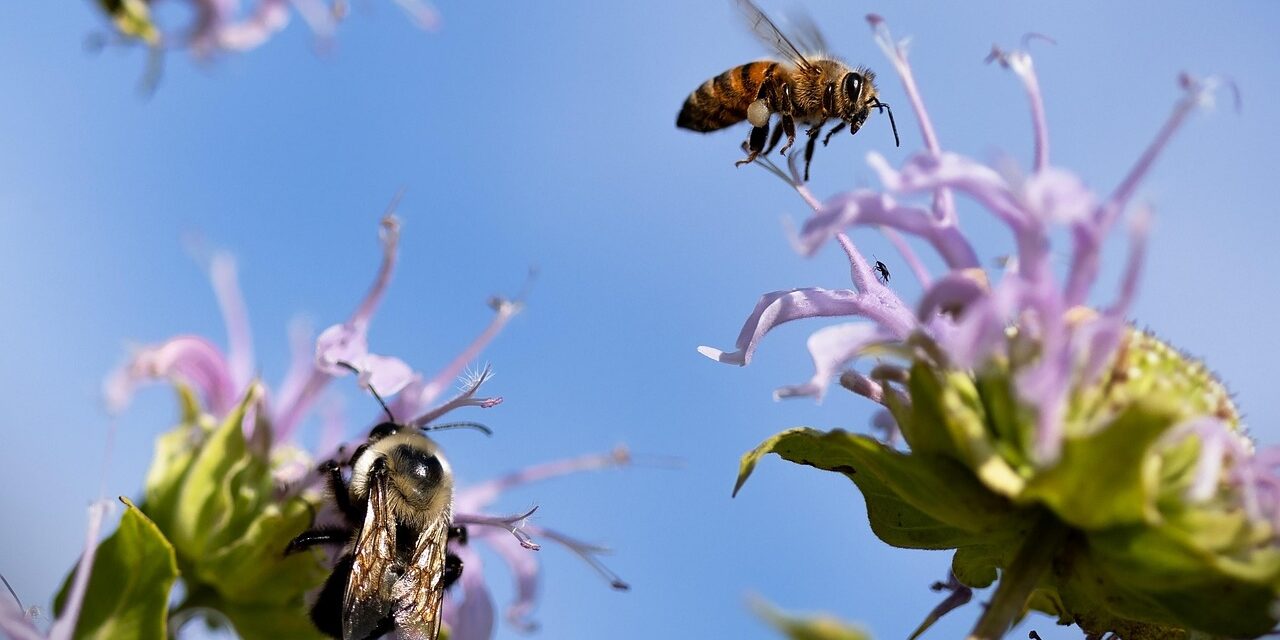
The recent uptick in dead bumblebees found on sidewalks across urban areas has sparked concern among environmentalists, scientists, and the public alike. Reports have flooded in from cities like San Francisco, New York, and Seattle, where pedestrians are encountering these insect fatalities in alarming numbers. Local authorities and ecological organizations are scrambling to understand the underlying causes of this troubling phenomenon.
The latest turn
In the past week, entomologists have been mobilizing to conduct on-site investigations following numerous public reports. While exact numbers vary, some estimates suggest that thousands of bumblebees have been found lifeless along walking paths and in gardens. In an urgent effort to ascertain whether these deaths are indicative of a larger ecological crisis, researchers have begun analyzing the dead bees for diseases, toxins, and environmental stressors.
Preliminary findings hint at a combination of factors, with a particular focus on pesticide exposure and habitat loss. Local activists have drawn connections between increased pesticide use in urban landscaping and the falling bumblebee populations, urging city officials to reconsider their practices. Some experts stress the need for more direct observation, with particular attention to environmental conditions known to affect bumblebee health.
How the story got here
This sudden phenomenon comes against a backdrop of long-standing concerns about the decline of pollinator species worldwide. Over the past decade, scientists have highlighted alarming trends in bee populations, connecting the dots between climate change, habitat destruction, and the increasing prevalence of neonicotinoids—pesticides commonly used in agriculture and landscaping.
The growing body of research underscores how bumblebees, vital pollinators, are particularly sensitive to environmental changes. Their lifespan, reproductive cycles, and foraging patterns make them exemplary indicators of ecosystem health. As climate change alters their habitats and food availability, the effects are being felt more acutely. The sudden appearance of dead bumblebees in urban areas has triggered a broader discussion about how human activities can exacerbate these issues.
Next expected developments
Looking ahead, the focus will shift towards comprehensive studies that should provide greater insights into why these bumblebee deaths are occurring. Entomologists expect to release preliminary data soon, covering the factors influencing their health and potential correlations with urban pesticide use. Multidisciplinary collaborations between scientists, city planners, and environmental organizations may also emerge in response to the public outcry.
As this situation develops, the conversation will likely extend beyond immediate urban effects, prompting a reevaluation of practices that impact pollinator health at large. Advocates are already pushing for stronger regulations regarding pesticide use, as the stakes become clear: the health of urban ecosystems and food systems depends heavily on the vitality of bumblebee populations. The next few weeks will be crucial in identifying effective solutions and ensuring a sustainable coexistence with these essential creatures.
Original Source: https://www.sciencedaily.com/releases/2026/07/260727012134.htm