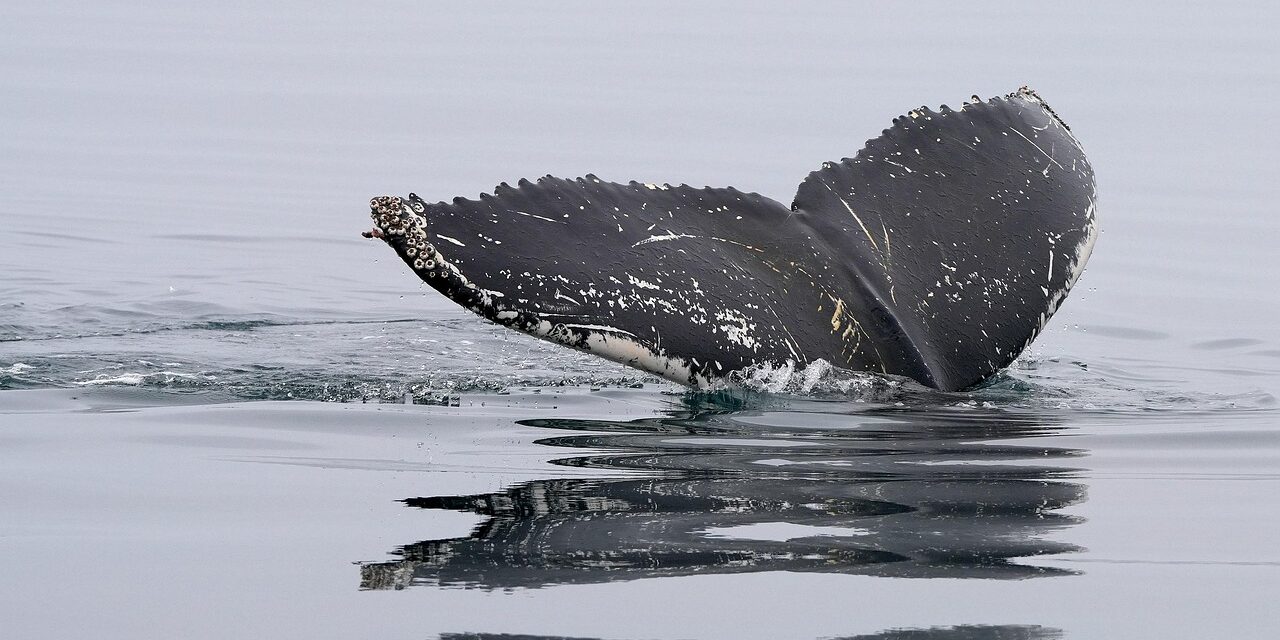
In a remarkable discovery, researchers have identified previously unknown bacteria residing in the intestines of the elusive North Atlantic right whale. This finding not only expands our understanding of these enigmatic creatures but also raises questions about the role of microbial life in marine ecosystems.
Key details
The North Atlantic right whale, one of the world’s most endangered large mammals, has long captured the interest of marine biologists. Recent studies conducted by an interdisciplinary team have revealed that these whales host a unique assemblage of bacteria that had never before been characterized. Samples collected from the gastrointestinal tracts of several individuals showed a rich diversity of microbial species, with some potentially playing a role in digestion and nutrient absorption.
This discovery is significant, particularly given the precarious status of the North Atlantic right whale, which numbers fewer than 350 individuals. The research involved analyzing fecal samples and applying advanced genomic techniques to decode the genetic information of the bacteria found within. While the primary goal was to assess the health of the whales’ gut microbiome, the researchers also uncovered strains of bacteria likely new to science, highlighting the complexity of life in these creatures that have inhabited our oceans for millennia.
Why this matters
The implications of discovering unique bacteria in a critically endangered species are multifaceted. First, it enhances our understanding of right whale biology and offers insights into their dietary habits and health. Given that the North Atlantic right whale has been declining due to various human-induced threats, including entanglements in fishing gear and ship strikes, understanding how these whales process food through their microbiome could be crucial in conservation efforts.
Additionally, studying the specific bacteria found in their intestines may shed light on how marine mammals adapt to their nutritional environment. The gut microbiome is increasingly recognized as vital for digestive health and overall well-being, not only in humans but in wildlife as well. The connection between gut microbiota and health could provide essential data for creating more effective conservation strategies as well as informing rehabilitation efforts for injured or malnourished whales.
Broader picture
This discovery of unique bacteria in the North Atlantic right whale contributes to a growing body of research emphasizing the interconnectedness of marine life. As climate change and human activities continue to threaten oceanic ecosystems, understanding the specific biological needs and microbial relationships of endangered species has never been more critical. The presence of novel bacteria may also point to the adaptability of these whales, suggesting they have a complex interplay with their environment that remains largely unexplored.
Ultimately, while the identification of these bacteria marks an exciting advancement in marine biology, it also serves as a sobering reminder of the fragility of life in our oceans. Continued research into the microbiomes of marine creatures like the North Atlantic right whale could be essential for their survival in an ever-changing world. The findings underscore the importance of prioritizing ocean health and biodiversity in conservation efforts moving forward.
Original Source: https://www.sciencedaily.com/releases/2026/07/260721000847.htm