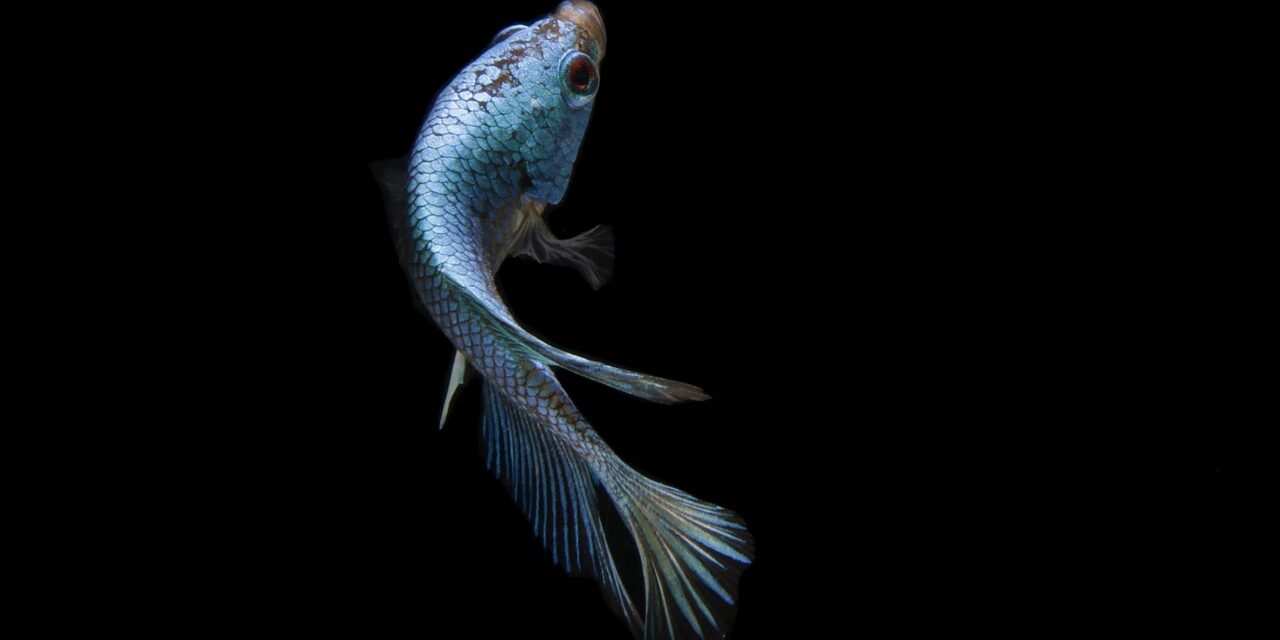
The betta fish market continues to flourish as aquarists become increasingly interested in the different varieties of these visually striking fish. Known for their vibrant colors and flowing fins, bettas are not only popular among hobbyists, but their diverse types also spark conversations in fish-keeping communities. The surge in demand has prompted breeders to innovate, creating an array of betta types that capture the attention of both new and seasoned fish enthusiasts.
Immediate reaction
Following the increased interest in betta fish, social media platforms have seen a rise in discussions and posts highlighting different betta varieties. Online forums dedicated to aquarists are filled with images and insights, showcasing everything from the classic Siamese fighting fish to the newer, rarer colorations and fin types. The enthusiastic response has led to local fish stores seeing a spike in sales, as enthusiasts seek to add unique specimens to their aquariums.
What triggered the move
The recent wave of interest can be attributed to a combination of social media influencers and educational content that have highlighted the beauty and variety among betta species. Many new fish keepers are drawn to bettas for their relatively low maintenance needs and their striking appearance. Breeders have capitalized on this trend by developing new color morphs and fin styles, significantly broadening the appeal of betta fish.
Among the most popular types are the Crown Tail, Veiltail, and Plakat bettas. The Crown Tail is known for its unique fin structure that resembles a crown, while the Veiltail features long, flowing fins that create a graceful, swimming motion. Plakat bettas, on the other hand, have shorter fins and a more robust body, making them resilient and active swimmers. In addition, colors can vary widely, with some bettas showcasing multicolored patterns, iridescent scales, or even marbled effects.
Why readers should care
Understanding the differences among betta types is essential for potential fish keepers and enthusiasts alike. Each variety has distinct care requirements, behaviors, and characteristics that can impact the overall health of the fish and the dynamics of an aquarium. For instance, while some bettas may thrive in solitary environments, others may require more interaction or specific tank conditions.
Moreover, the continuous alteration and breeding of betta fish present a broader conversation about biodiversity within the aquarist community. As new types emerge, ethical considerations around breeding practices become increasingly relevant. It prompts a dialogue about sustainability, the risks of overbreeding, and the importance of maintaining genetic diversity to ensure healthy populations of betta fish.
In the short term, the ongoing fascination with betta fish is likely to sustain interest within the aquarium hobby. This could encourage more responsible breeding practices and foster more educational resources for enthusiasts about proper betta care and environmental needs. As the industry adapts to consumer interests, the future looks promising for betta fish and the communities that celebrate their beauty and complexity.
Original Source: https://www.aquariumcoop.com/blogs/aquarium/betta-fish-types