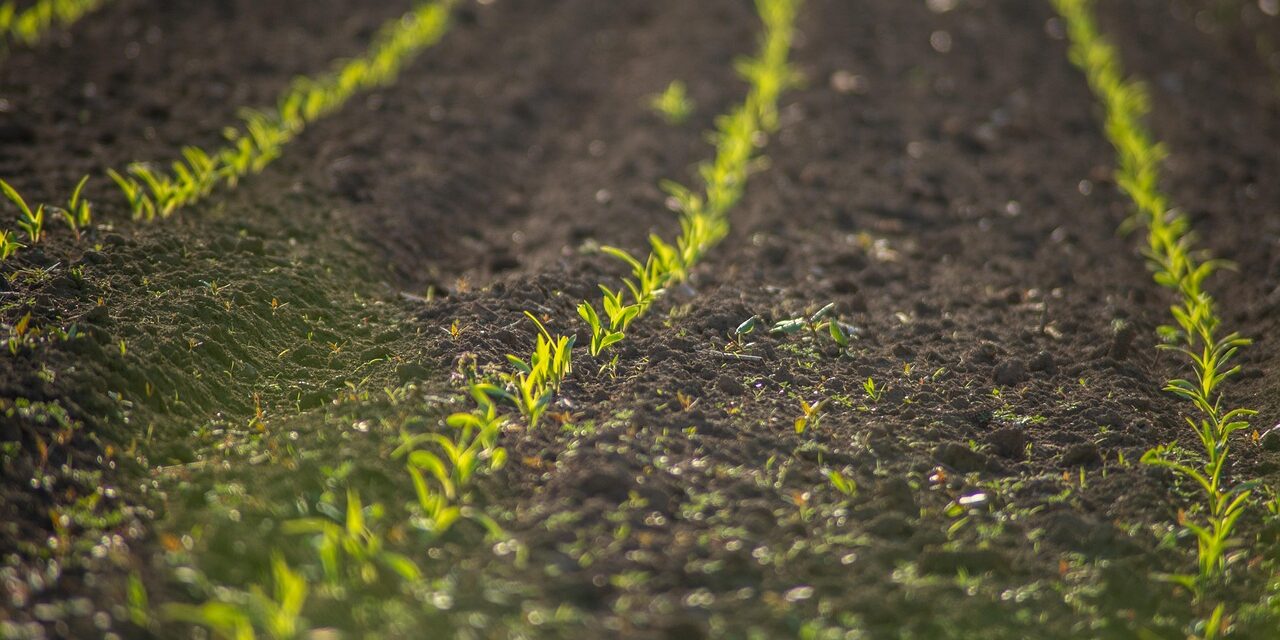
A recent study has revealed that specific soil microbes could play a crucial role in reversing the detrimental effects of salt on agricultural land. Researchers at the University of Agriculture and Technology discovered that these resilient microbes not only tolerate saline environments but also enhance the growth of plants under stress, offering hope for farmers struggling with salt-affected soils.
What happened
The research team isolated a group of halotolerant bacteria from naturally saline soils. These microbes demonstrated an impressive ability to survive and thrive in high salinity conditions. In controlled experiments, when paired with crops such as rice and wheat, the microbes significantly improved plant growth and yield compared to untreated control groups.
The team used a combination of greenhouse experiments and field trials to assess the impact of these microbes on plant performance. The results indicated that the application of these microbes can not only invigorate soil health but also promote fruitful crop yields even in regions plagued by saline intrusion, which is increasingly common due to climate change and poor irrigation practices.
Why it matters
Salinity is one of the leading causes of agricultural decline worldwide, impacting approximately one-third of all arable land. As climate change continues to exacerbate this issue, farmers face a looming crisis that threatens food security. Current methods of managing saline soils often include chemical treatments, which can be costly and damaging to the environment.
The discovery of beneficial soil microbes presents a sustainable alternative. By harnessing these tiny organisms, farmers could reduce dependency on harmful chemicals and fertilizers while restoring soil fertility. This not only has economic implications but also aligns with global efforts towards sustainable agriculture—an essential goal as the world grapples with feeding a growing population.
What comes next
The immediate outlook includes further research to identify the best applications and formulations for these microbes in various agricultural settings. Scientists are focusing on how to effectively introduce these beneficial microbes into different soil types and crop varieties to maximize yield and resilience.
The research team is also looking at potential partnerships with agricultural producers to facilitate on-farm trials. Scaling up from laboratory findings to real-world application will be crucial for validation. If successful, this approach could empower farmers globally to reclaim saline lands, transforming unproductive farms into thriving agricultural hubs.
As the agricultural community watches these developments, the success of this microbial application will significantly influence future farming practices, potentially leading to the widespread adoption of microbial solutions in combating soil salinity challenges. The next few years may prove pivotal in turning the tides for farmers facing salt-induced adversity.
Original Source: https://www.sciencedaily.com/releases/2026/06/260626124703.htm