The latest turn
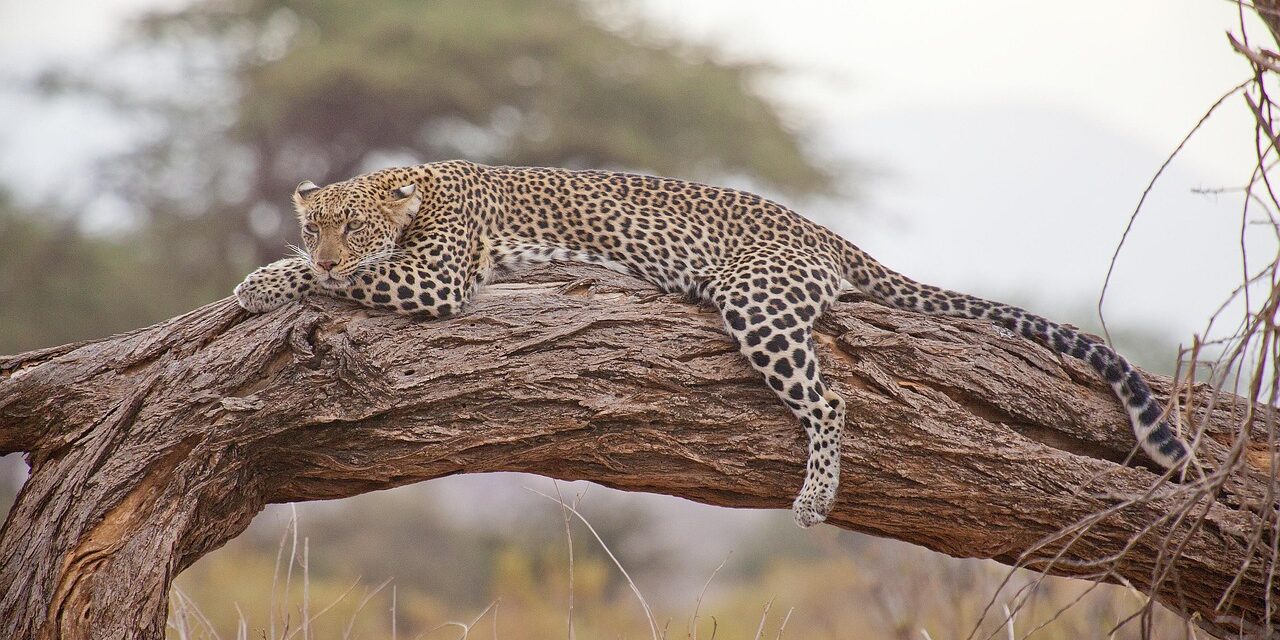
Recent research has unveiled alarming findings regarding South Africa’s leopard population, indicating that these iconic large cats have shrunk to almost half their normal size. A study published in the journal Ecology and Evolution highlights that both genetic factors and environmental pressures are contributing to this startling trend. This revelation follows a period of concern over declining wildlife health in the region.
How the story got here
The leopard, once known for its robust physique and adaptability, has increasingly faced numerous challenges over recent years, from habitat loss to poaching. As human encroachment into natural habitats expands, leopards are forced into smaller territories, which can lead to increased competition for resources. The initial signs of size reduction were documented earlier in 2022, when wildlife ecologists noted significant changes in body mass among local populations.
Researchers had long suspected that environmental stressors, such as climate change and decreased prey availability, were impacting these animals. The latest findings, however, link these ecological pressures with genetic adaptations. It appears that South Africa’s leopards have begun to evolve physically in response to their challenging environment, resulting in reduced body size. Smaller individuals may have a survival advantage in densely populated areas where food is scarce, allowing them to expend less energy in their search for sustenance.
Next expected developments
As conservationists assess the far-reaching implications of this significant size reduction, further research is essential. Future studies will focus on monitoring leopard populations and exploring the genetic adaptations that may be contributing to these changes. Understanding the long-term effects of these developments on the ecosystem will be vital for conservation efforts. The next major milestone in this research will likely involve comprehensive field studies aimed at tracking the health and behavior of these leopards in their natural habitats.
Moreover, conservationists are expected to advocate for enhanced protective measures for wildlife, aiming to address habitat degradation and poaching in the region. As the story unfolds, the urgent question remains: can humanity strike a balance that allows South Africa’s leopards to regain their former size and strength, or is this a permanent shift we must reckon with?
Original Source: https://www.sciencedaily.com/releases/2026/06/260623083113.htm