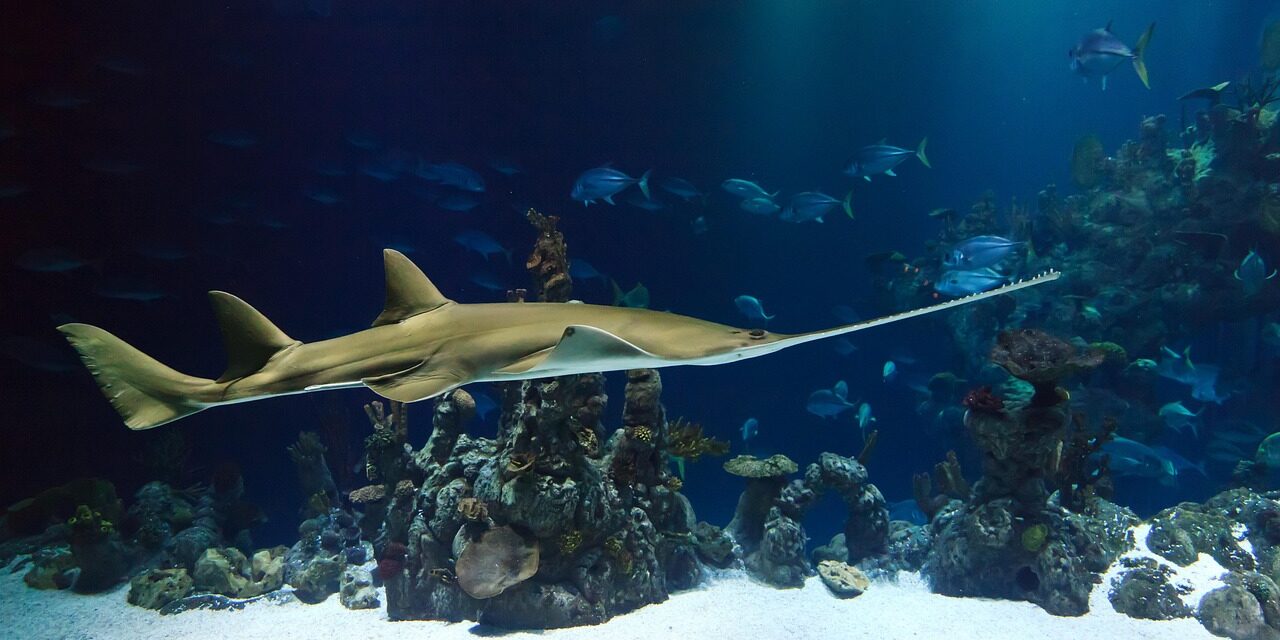
Latest developments
Recent research has unveiled critical gaps in our understanding of marine biodiversity, particularly in the deeper reaches of the ocean where data remains sparse. While marine ecosystems are known to be incredibly diverse, the sheer volume of unexplored areas has led scientists to call for enhanced global efforts in underwater biodiversity mapping. A multifaceted team of researchers, spanning various countries, recently published a study identifying key drivers influencing marine biodiversity, from surface waters to ocean trenches. Their findings emphasize that climate change, overfishing, and habitat destruction contribute significantly to biodiversity loss, but may also create conditions conducive to new species emergence.
Background and context
Marine biodiversity encompasses the variety of life forms in the ocean, ranging from the well-known dolphins and sharks of coastal waters to the less understood bioluminescent organisms that inhabit the depths of the abyss. Covering over 70% of the Earth’s surface, oceans are vital not only for marine species themselves but also for terrestrial life, as they play crucial roles in carbon cycling, climate regulation, and nutrient distribution. This complexity results from an interplay of factors, including geographical features, ocean currents, temperature, and salinity.
Historically, marine biodiversity studies have focused more on coastal ecosystems, leading to significant knowledge gaps in the open ocean and deep-sea environments. For example, the deep-sea habitat, which can plunge to depths exceeding 11,000 meters, remains one of the least explored terrains on Earth. Previous reports estimate that approximately 91% of marine species have yet to be described, showcasing the urgent requirement for enhanced sampling techniques and international collaboration.
Moreover, the ongoing effects of climate change, such as rising sea temperatures and acidification, further complicate the landscape. Endangered species like the vaquita porpoise and the oceanic whitetip shark demonstrate the immediate impacts of human activity on marine populations. Simultaneously, scientists express concern that diminishing biodiversity could destabilize ecosystems, rendering them more vulnerable to invasive species and diseases.
What to watch next
In response to these findings, a number of initiatives are gaining momentum globally. As awareness increases, efforts to establish marine protected areas (MPAs) are expanding, with over 5% of the ocean now designated as such. The United Nations has also launched frameworks encouraging member countries to collaborate on collective marine conservation efforts. Reports highlight the importance of interdisciplinary research teams, involving oceanographers, ecologists, and climate scientists, to address pressing issues holistically.
Upcoming international conferences, including the forthcoming UN Ocean Conference, will likely focus on galvanizing political will to shore up marine biodiversity. Researchers, outreach programs, and policymakers will convene to unite in strategies aimed at not only reinforcing conservation but also forging pathways that allow for sustainable human interaction with marine environments.
As scientific exploration continues to shed light on the mysteries of the ocean, the challenge ahead will be balancing human needs with the need for biodiversity conservation—an endeavor vital for both the health of our planet and its inhabitants. Being aware of these gaps and drivers is an essential first step in ensuring that the oceans’ vast, hidden treasures can survive for generations to come.
Original Source: https://www.nature.com/articles/s41467-026-73613-z