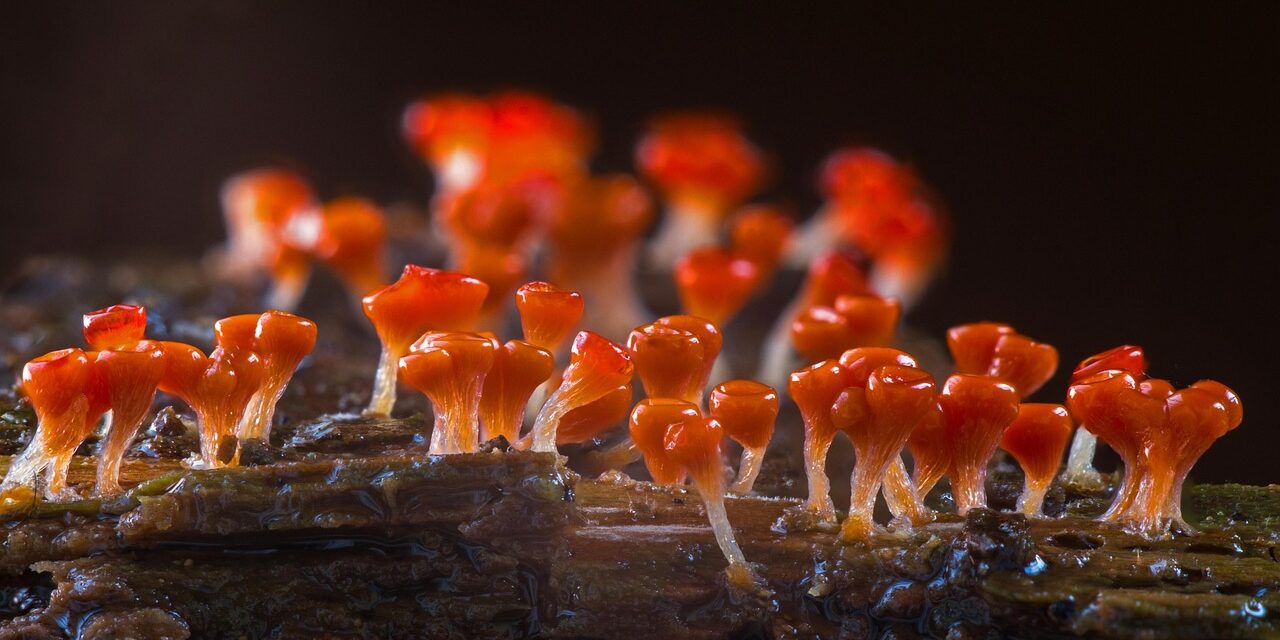
A groundbreaking study has revealed that ancient single-celled organisms, believed to be the ancestors of modern blood cells, are still alive in human blood. These creatures, which date back millions of years, have been identified as essential players in various physiological processes, opening new avenues for understanding blood health and evolution.
What happened
Researchers from the University of California conducted an extensive investigation into the composition of human blood, employing advanced genomic techniques to analyze the microbiome within. To their surprise, they discovered traces of single-celled organisms that resemble ancient life forms previously thought to be extinct.
These organisms, termed protists, are known for their simple structure and role in nutrient cycling in various ecosystems. Although they are more recognized in aquatic environments, this study suggests a fascinating connection between these ancient life forms and human physiology. The researchers were able to isolate and characterize specific protists that could contribute to immune system function and overall blood health.
Why it matters
This discovery is significant not only for evolutionary biology but also for medical science. The presence of ancient protists in human blood suggests that our immune systems may have retained functions that evolved in response to these organisms. Such insights could lead to breakthroughs in understanding autoimmune diseases and other health conditions.
Furthermore, this finding challenges the traditional view of human biology as being purely human. It highlights the intricate relationships between humans and bacteria and other microorganisms that help shape our biological processes. Understanding these relationships more deeply could influence new therapeutic approaches, enhancing our ability to treat or prevent diseases related to blood metabolism.
What comes next
Moving forward, researchers plan to conduct more comprehensive studies to understand how these ancient protists interact with our cells and why they remain viable in human blood. Future investigations will delve into the specific roles these organisms play in health and disease to determine whether they can be harnessed for therapeutic benefits.
This study, a valuable contribution to evolutionary and biomedical research, underlines the importance of exploring the hidden complexities of our biology. As researchers continue to unlock the secrets of these ancient microbes, the implications for health science and evolutionary studies could be profound, potentially reshaping our understanding of human health and the environment.
The immediate outlook emphasizes the need for further investigation into the exact mechanisms by which these protists operate within human physiology. Scientists are keen to learn whether these ancient organisms can be classified as beneficial partners in human health or if they pose unforeseen risks. As the research progresses, findings may offer revolutionary insights into the interconnectedness of life and the evolutionary timeline that shapes modern human biology.
Original Source: https://www.sciencedaily.com/releases/2026/05/260526022006.htm